
2025 | PROIECTARE 4 | A02

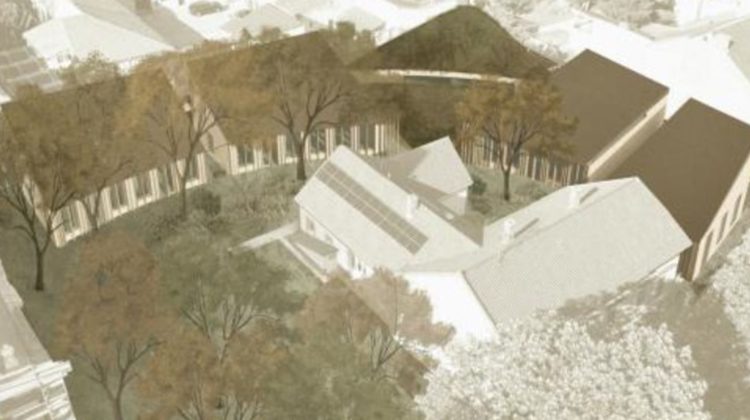

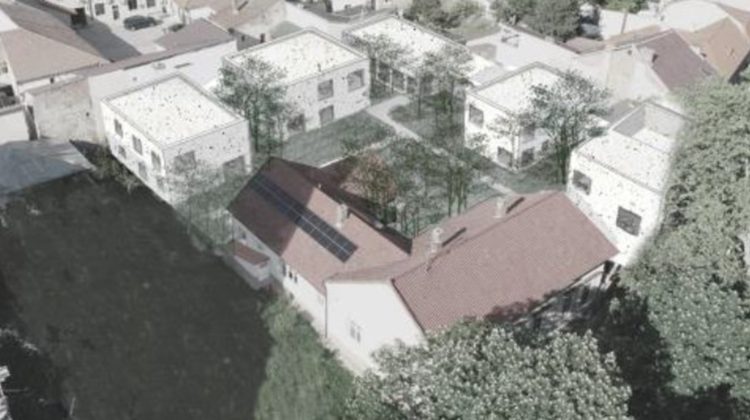

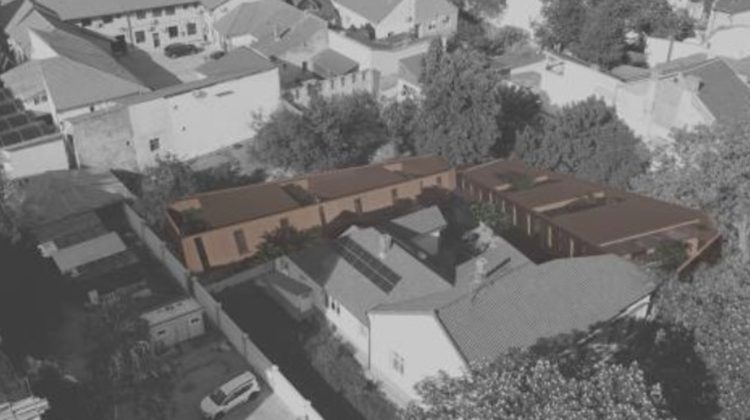
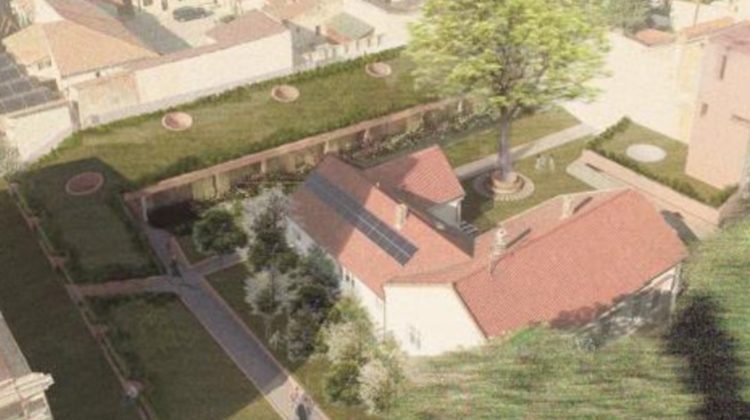
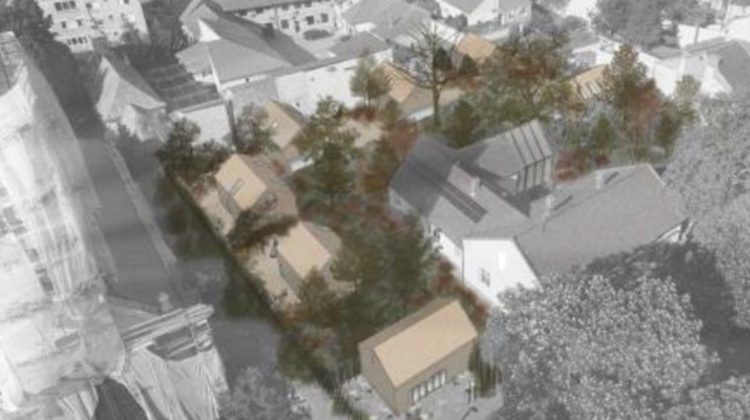
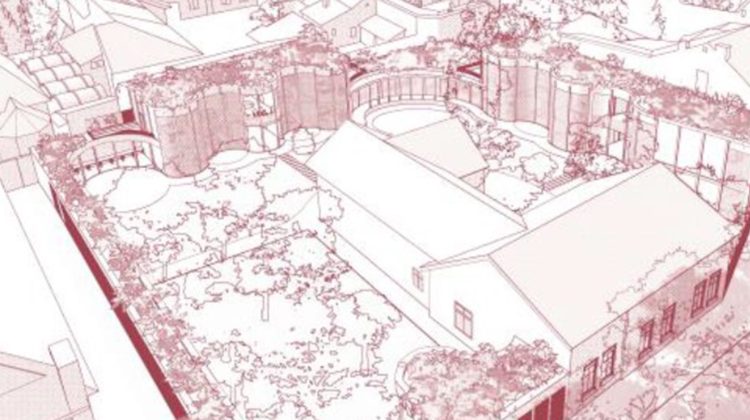
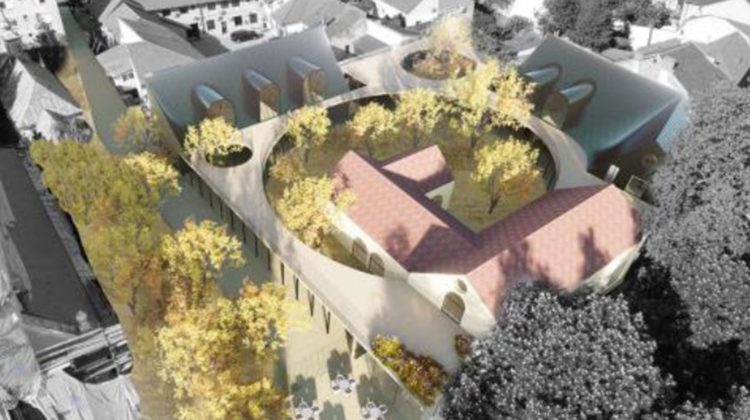
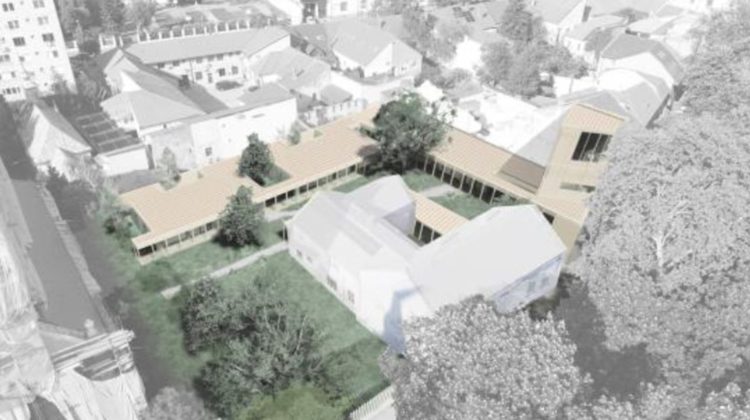
RO: Tema de proiectare propune realizarea unui ansamblu de locuire de urgență administrat de Biserică, amplasat într-un context urban istoric valoros din Oradea, pe malul drept al râului Crișul Repede, în zona Olosig, în cadrul extins al complexului Patriarhiei Reformate Olosig. Proiectul urmărește integrarea unei intervenții contemporane într-un sit caracterizat de prezența unor clădiri cu valoare arhitecturală, de relația directă cu țesutul istoric și de proximitatea unui important coridor verde format de parc și riveran.
Conform scenariului, Biserica investește într-o formă de locuire de urgență, destinată unor categorii defavorizate — studenți, familii și persoane vârstnice — oferită pe o perioadă de până la doi ani, la un cost minim. În acest sens, proiectul propune nu doar unități de locuire de diferite dimensiuni, ci și spații comune pentru rezidenți, alături de funcțiuni publice complementare, precum o cafenea deschisă comunității. Organizarea funcțională și volumetrică trebuie să răspundă atât nevoilor individuale ale locatarilor, cât și necesității de a crea un cadru colectiv coerent, favorabil interacțiunii și sprijinului reciproc.
Intervenția presupune o abordare atentă față de contextul construit și natural, precum și față de dimensiunea socială și comunitară a programului. Astfel, proiectul investighează echilibrul dintre integrarea în țesutul urban existent, valorificarea relației cu spațiul verde și exprimarea unei arhitecturi contemporane.
EN: The design brief proposes the development of an emergency housing complex managed by the Church, located within a valuable historic urban context in Oradea, on the right bank of the Crișul Repede River, in the Olosig area, as part of the extended precinct of the Olosig Reformed Patriarchy complex. The project aims to integrate a contemporary architectural intervention into a site characterized by the presence of buildings with architectural value, a direct relationship with the historic urban fabric, and the proximity of an important green corridor formed by the park and the riverbank.
According to the scenario, the Church invests in a form of emergency housing intended for disadvantaged groups — students, families, and elderly people — offered for a period of up to two years at a minimal cost. In this context, the project proposes not only housing units of various sizes, but also shared spaces for residents, along with complementary public functions such as a café open to the community. The functional and volumetric organization must respond both to the individual needs of the inhabitants and to the necessity of creating a coherent collective environment that encourages interaction and mutual support.
The intervention requires a sensitive approach towards the built and natural context, as well as towards the social and community dimension of the program. Thus, the project investigates the balance between integration into the existing urban fabric, the enhancement of the relationship with green spaces, and the expression of a contemporary architectural language.
Concursul CASA 16 - Temporary Housing of (in) necessity
| Atelierul de proiectare sem2-An2 | 2024-2025 |
| Codruța NEGRULESCU | Grupa A |
| Alexandra PASCOTESCU | Grupa A |
| Ștefana BĂDESCU | Grupa A |
| Claudiu TOMA | Grupa B |
| Laurențiu STOIAN | Grupa B |
| Mirela SZITAR-SÂRBU | Grupa B |
| Daniela NEGRIȘANU | Grupa C |
| Iasmina ONESCU | Grupa C |
| Loredana GAIȚĂ | Grupa C |