
2024 | DIPLOMA | YEAR VI
The completion of studies at the Faculty of Architecture and Urbanism within Universitatea Politehnica Timișoara is achieved through a diploma examination structured into two complementary components, theoretical and applied in nature.
Part I consists of the defense of a theoretical dissertation and a preliminary research study (pre-diploma), which establishes the conceptual foundation of the final project. The dissertation is developed within one of three academic units:
Complex Architecture
Heritage Development and Reuse
Urban Planning
Part II involves the public defense of the diploma project, presented through written and graphic documentation demonstrating the candidate’s ability to integrate and apply theoretical knowledge in the coherent resolution of an architectural or urban issue.
The topic may be selected from those proposed within the thematic unit or formulated by the candidate in consultation with the academic supervisor.
The final assessment considers the rigor of the research process, theoretical grounding, conceptual coherence, interdisciplinary dimension, and the overall architectural quality of the proposed solution.
For the full texts please click on the pages of the brochure below.
Complex Architecture
Student: Borcea Sanela
Coordinating Professor: Conf.dr.arh. Cristian Blidariu
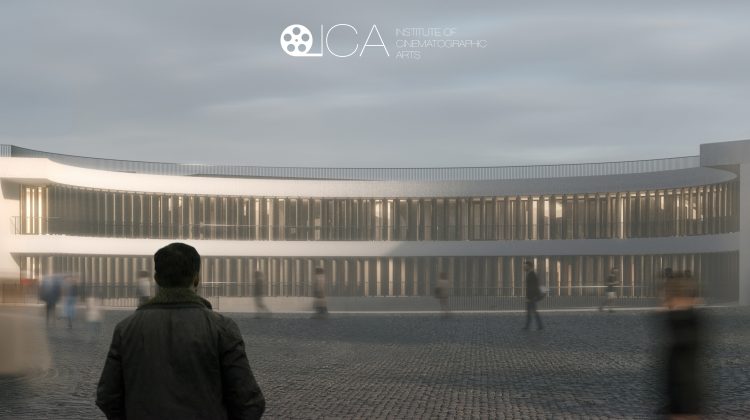
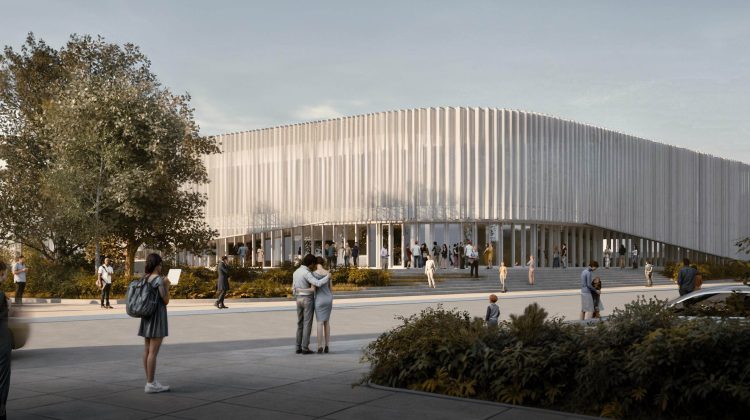
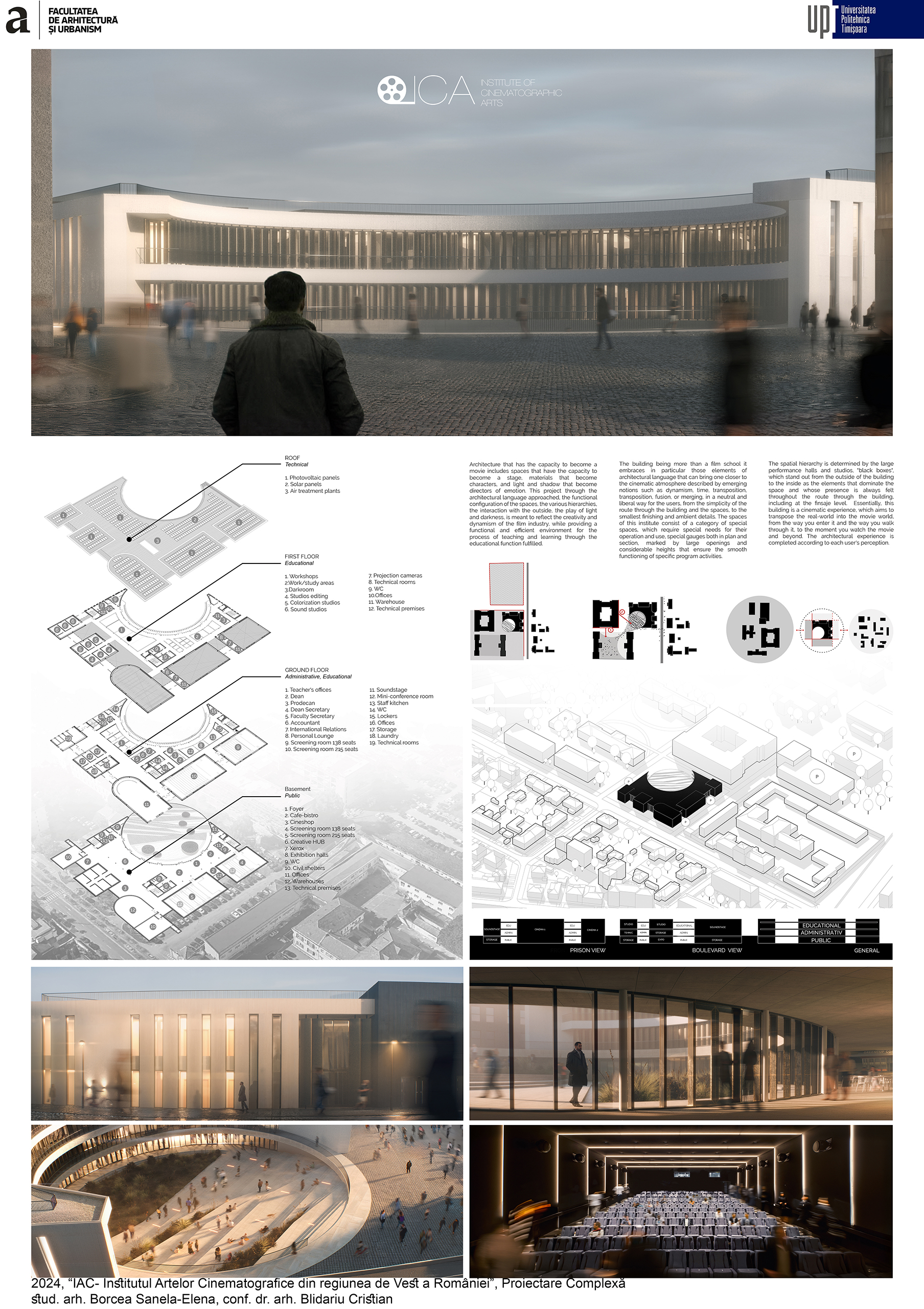
Architecture that has the capacity to become a movie includes spaces that have the capacity to become a stage, materials that become characters, and light and shadow that become directors of emotion. This project through the architectural language approached, the functional configuration of the spaces, the various hierarchies, the interaction with the outside, the play of light and darkness, is meant to reflect the creativity and dynamism of the film industry, while providing a functional and efficient environment for the process of teaching and learning through the educational function fulfilled.
The building being more than a film school, it embraces in particular those elements of architectural language that can bring one closer to the cinematic atmosphere described by emerging notions such as dynamism, time, transposition, transposition, fusion, or merging, in a natural and liberal way for the users, from the simplicity of the route through the building and the spaces, to the smallest finishing and ambient details. The spaces of this institute consist of a category of special spaces, which require special needs for their operation and use, special gauges both in plan and section, marked by large openings and considerable heights that ensure the smooth functioning of specific program activities.
The spatial hierarchy is determined by the large performance halls and studios, “black boxes”, which stand out from the outside of the building to the inside as the elements that dominate the space and whose presence is always felt throughout the route through the building, including at the finale level. Essentially, this building is a cinematic experience, which aims to transpose the real-world into the movie world, from the way you enter it and the way you walk through it, to the moment you watch the movie and beyond. The architectural experience is completed according to each user’s perception.
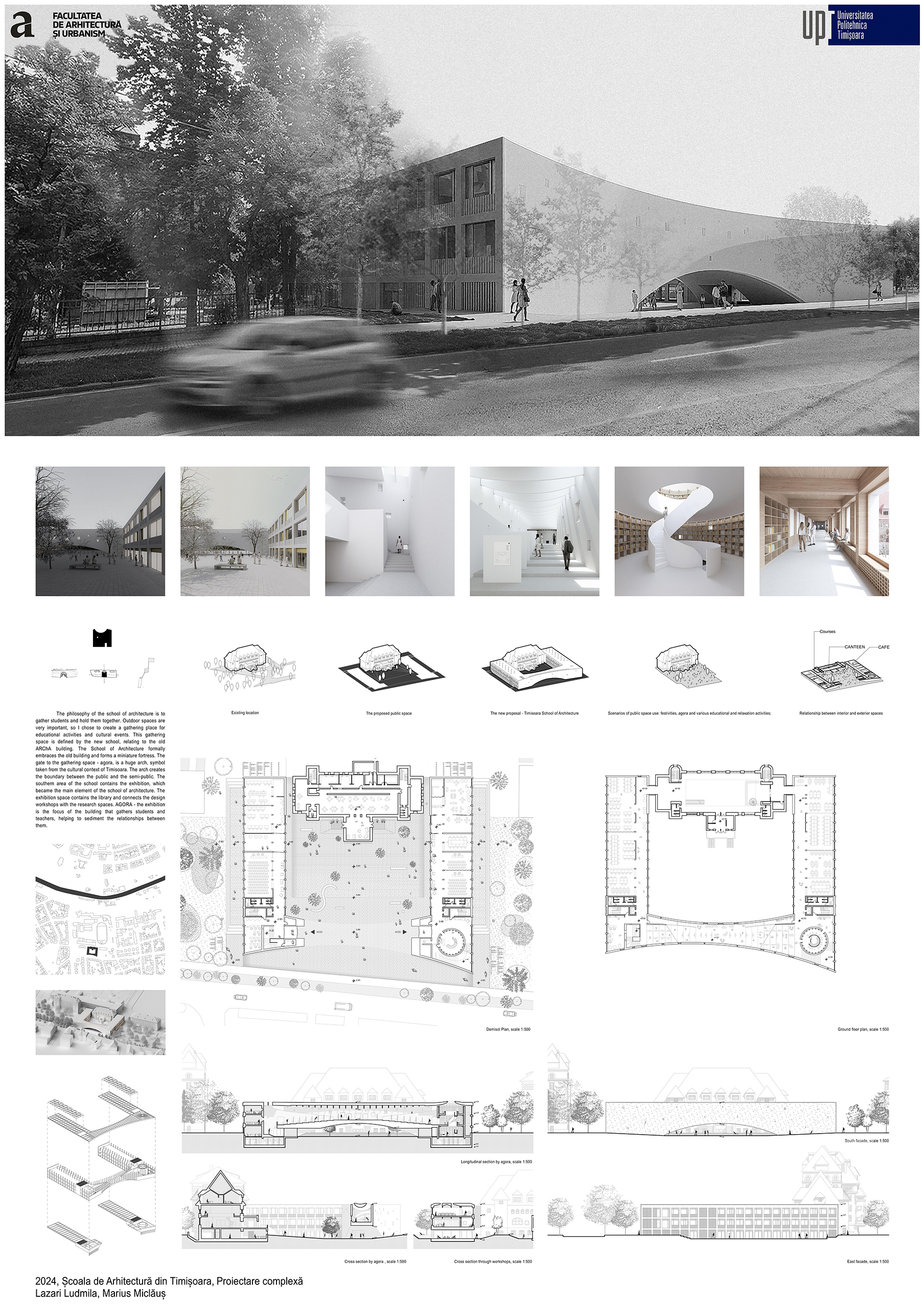
Student: Lazari Ludmila
Coordinating Professor: Arh. Marius Miclăuș
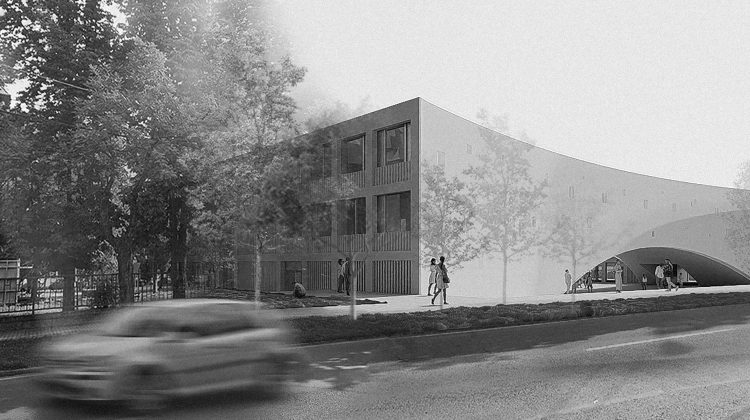
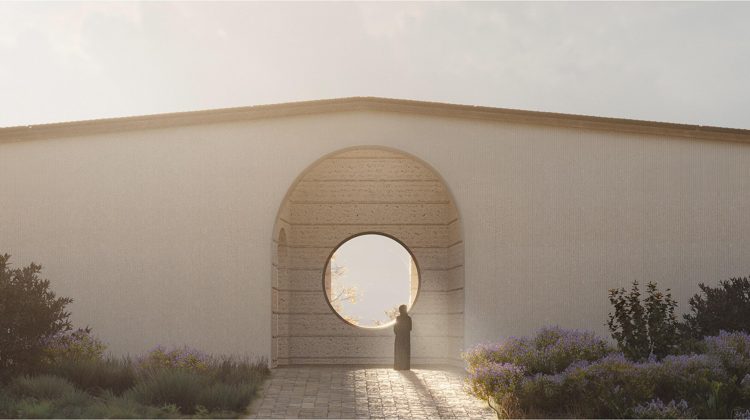
The philosophy of the school of architecture is to gather students and hold them together. Outdoor spaces are very important, so I chose to create a gathering place for educational activities and cultural events. This gathering space is defined by the new school, relating to the old ARChA building. The School of Architecture formally embraces the old building and forms a miniature fortress. The gate to the gathering space – agora, is a huge arch, symbol taken from the cultural context of Timisoara. The arch creates the boundary between the public and the semi-public. The southern area of the school contains the exhibition, which became the main element of the school of architecture. The exhibition space contains the library and connects the design workshops with the research spaces. AGORA – the exhibition is the focus of the building that gathers students and teachers, helping to sediment the relationships between them.
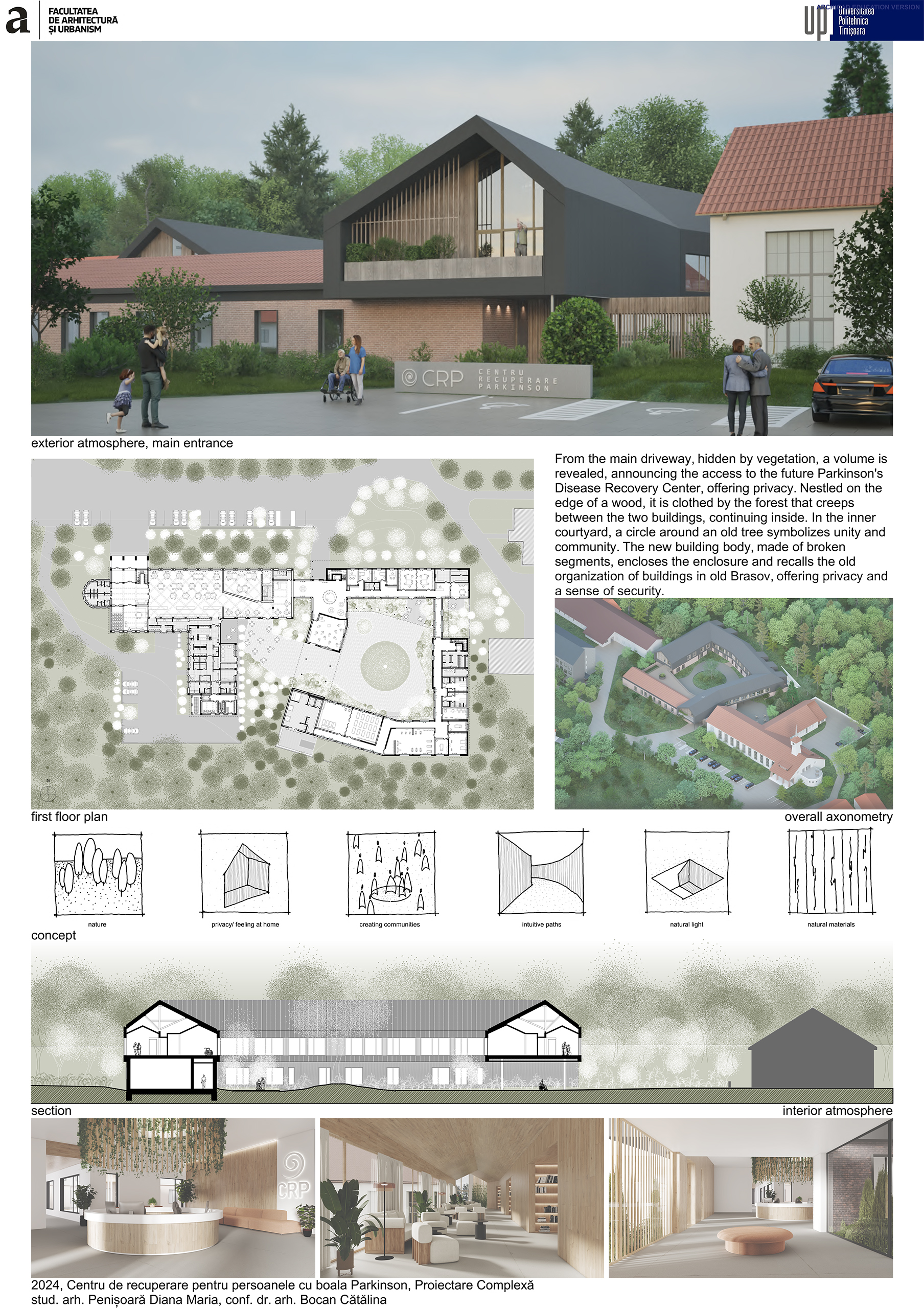
Student: Penișoară Diana
Coordinating Professor: Conf.dr.arh. Cătălina Bocan
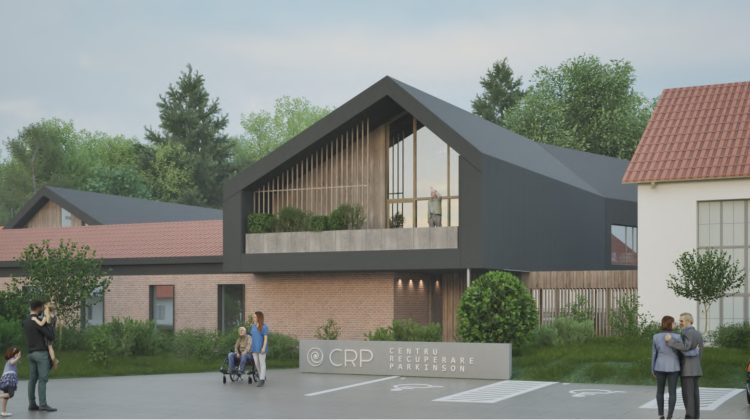
From the main driveway, hidden by vegetation, a volume is revealed, announcing the access to the future Parkinson’s Disease Recovery Center, offering privacy. Nestled on the edge of a wood, it is clothed by the forest that creeps between the two buildings, continuing inside. In the inner courtyard, a circle around an old tree symbolizes unity and community. The new building body, made of broken segments, encloses the enclosure and recalls the old organization of buildings in old Brasov, offering privacy and a sense of security.
Student: Sîrb Corneliu
Coordinating Professor: S.l.dr.arh Daniela Negrișanu
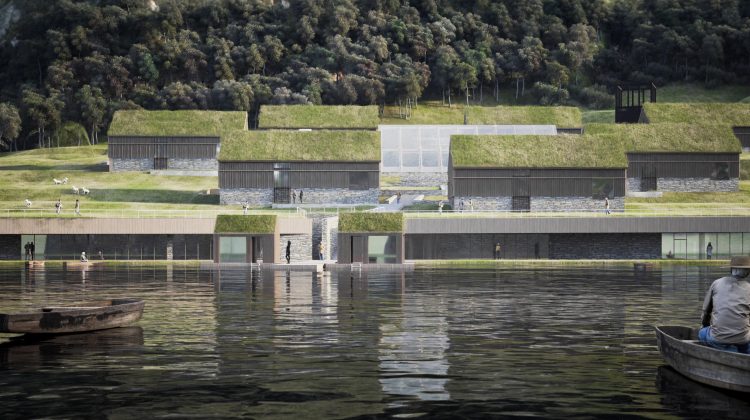
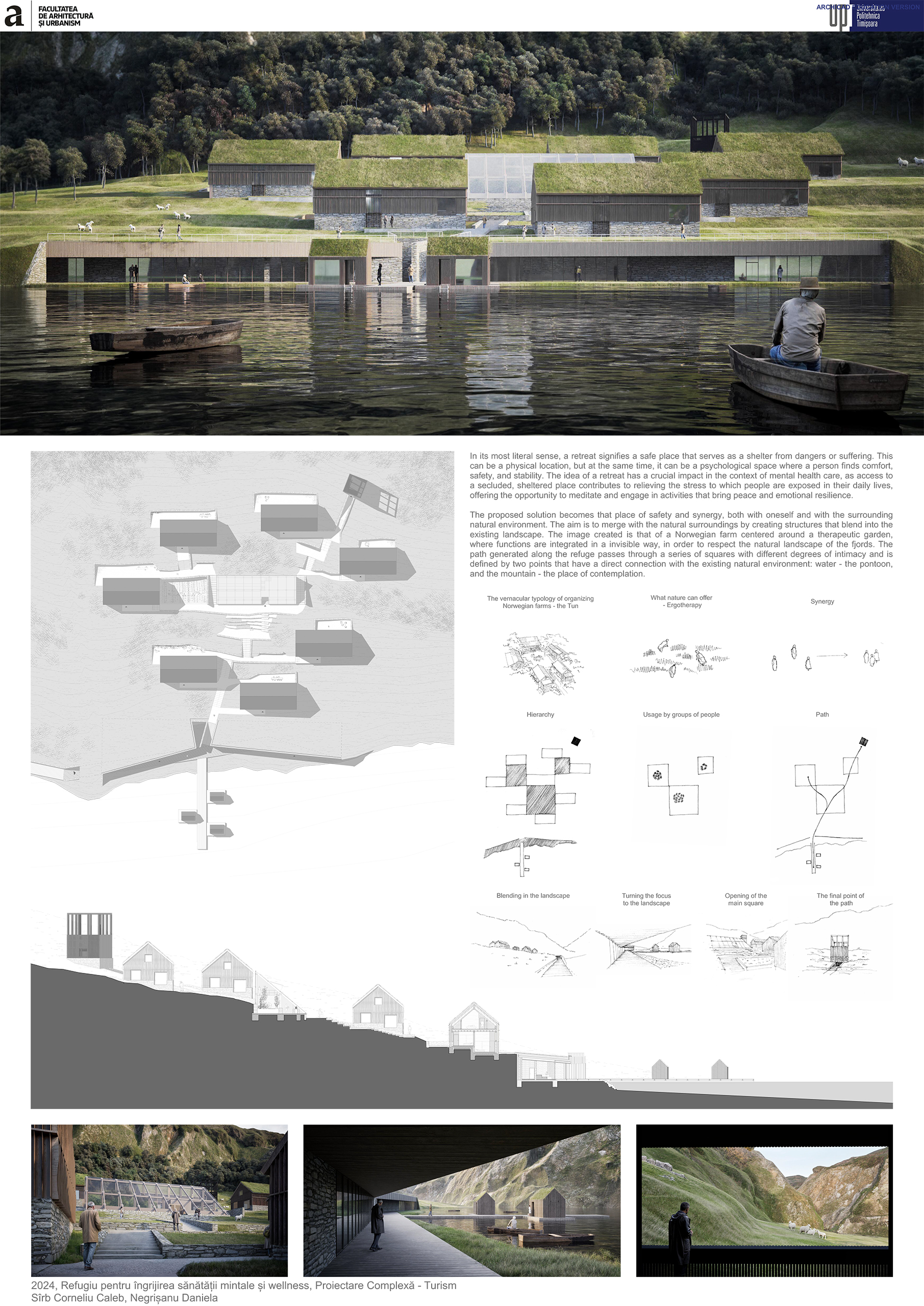
In its most literal sense, a retreat signifies a safe place that serves as a shelter from dangers or suffering. This can be a physical location, but at the same time, it can be a psychological space where a person finds comfort, safety, and stability. The idea of a retreat has a crucial impact in the context of mental health care, as access to a secluded, sheltered place contributes to relieving the stress to which people are exposed in their daily lives, offering the opportunity to meditate and engage in activities that bring peace and emotional resilience.
The proposed solution becomes that place of safety and synergy, both with oneself and with the surrounding natural environment. The aim is to merge with the natural surroundings by creating structures that blend into the existing landscape. The image created is that of a Norwegian farm centered around a therapeutic garden, where functions are integrated in an invisible way, in order to respect the natural landscape of the fjords. The path generated along the refuge passes through a series of squares with different degrees of intimacy and is defined by two points that have a direct connection with the existing natural environment: water – the pontoon, and the mountain – the place of contemplation.
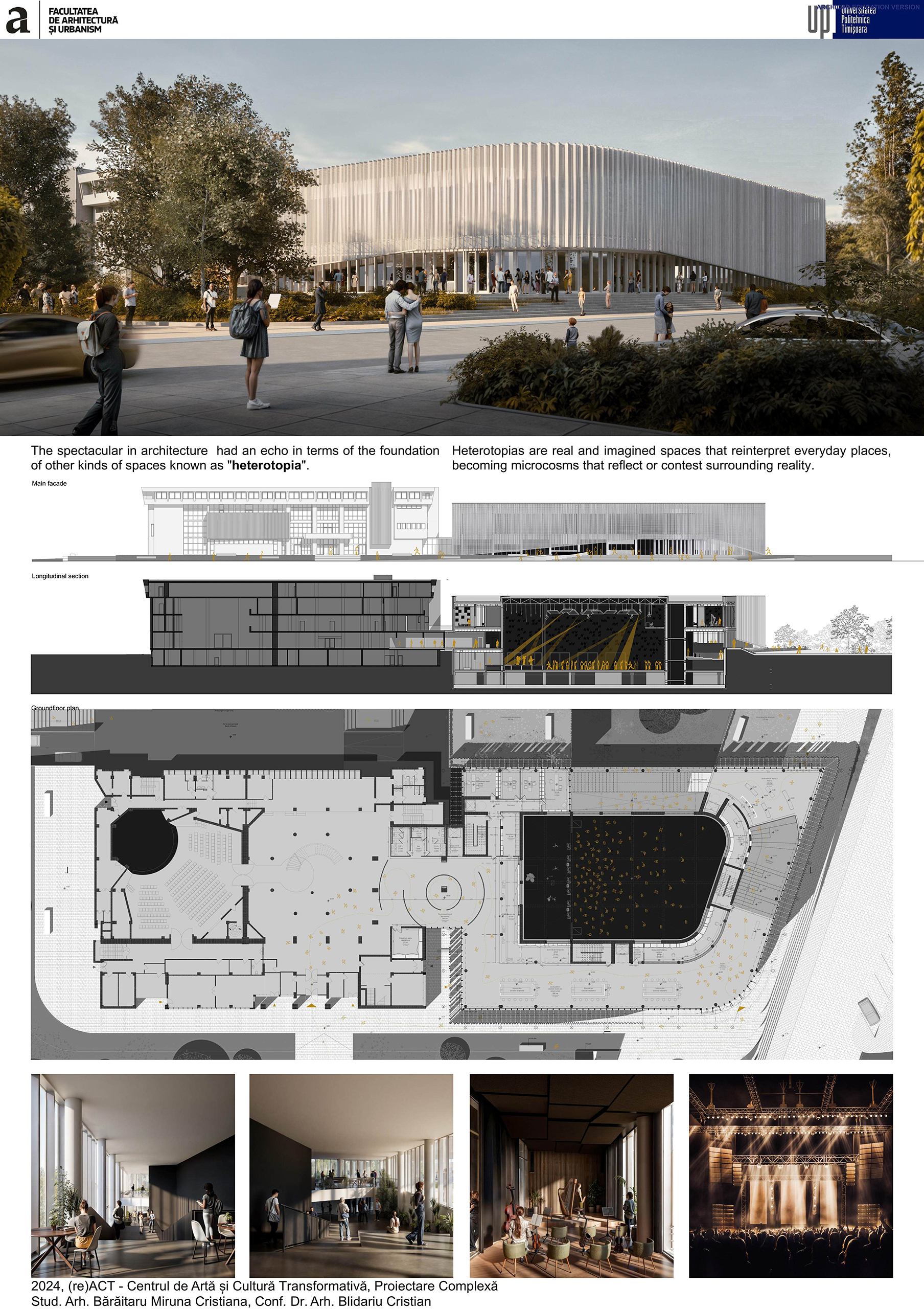
Student: Bărăitaru Miruna
Coordinating Professor: Conf.dr.arh. Cristian Blidariu
The purpose of this paper is to bring to the fore the hypothesis through which theories can take a form as close as possible to the concrete, based on foundations that—starting from the identification of socio-cultural problems—have metamorphosed into goals and ambitions, culminating, as will emerge from this approach following the pre-diploma phase, in their transposition into an architectural response. By developing and implementing the discussions initiated within the pre-diploma framework, we arrived at the definition of a complex functional theme that explores promising directions for the development of a Transformative Art and Culture Center in Timișoara.
In order to reach the foundation of this essential result, spatial requirements were carefully considered, approached in parallel with the needs of users and the expectations of beneficiaries, as well as the technical requirements that allowed the ideas to take on a significant material form.
Finally, the sought-after spectacular framework is highlighted, considered the most appropriate and suggestive for the stated design theme, while also encouraging the imaginative spirit to extend beyond the limits of the predictable.
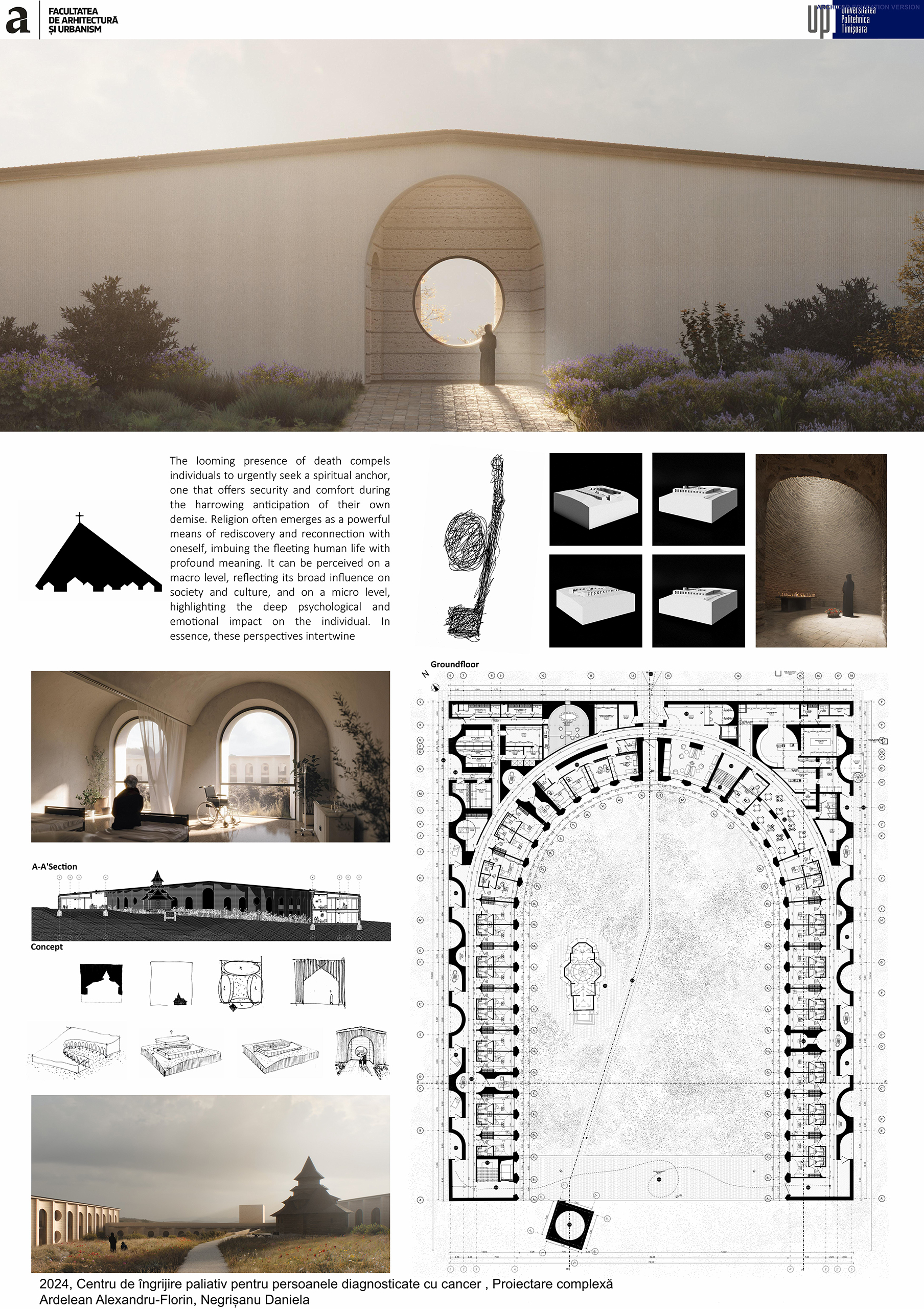
Student: Ardelean Alexandru
Coordinating Professor: S.l.dr.arh Daniela Negrișanu
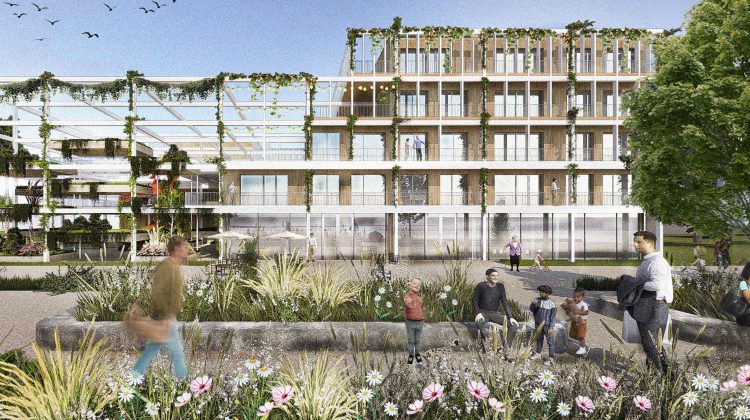
For those nearing the moment of death, religion becomes a spiritual lever through which they find comfort and refuge. Through religion, these patients seek a reconnection with the self, which can become a generator of meaning for the transience of human existence. Thus, religion is an essential element in the healing—or at least the alleviation—of terminally ill patients. The architecture of such a center must be one of protection, born from the patients’ primary needs. Beyond resolving the functional component, architecture must be attentive to the emotions of those who experience it.
The threshold, as a spatial tool, succeeds in creating the transition between two worlds: the exterior one, of possibilities, and the interior one, of care and the feeling of home. Each room is conceived as a microcosm in which the patient can withdraw and contemplate in peace and intimacy. The relationship with nature is strong through large glazed surfaces, precisely because of the patients’ need to remain constantly connected to light, to the sun, and to vegetation—elements that have proven to be as important as medication in their treatment. This relationship is, however, controlled, offering views only toward a garden that provides psychological safety.
The route is the key to the project, with gradual transitions from public to private, and the spatial experience transforms the project into one defined by movement and progression.
In conclusion, the construction of a palliative care center becomes an act of profound humanity, where architecture is not only a physical space but also a spiritual refuge. This sanctuary of comfort reflects the impermanence of human existence and the search for deeper meaning in the face of mortality. Through the careful integration of patients’ emotional and spiritual needs, the space becomes a manifestation of care and compassion, offering protection and reconnection with the self. Thus, architecture rises to the level of a philosophy of life and death, emphasizing the importance of human connection and the bond with nature in the most vulnerable moments of existence.
Heritage Development and Reuse
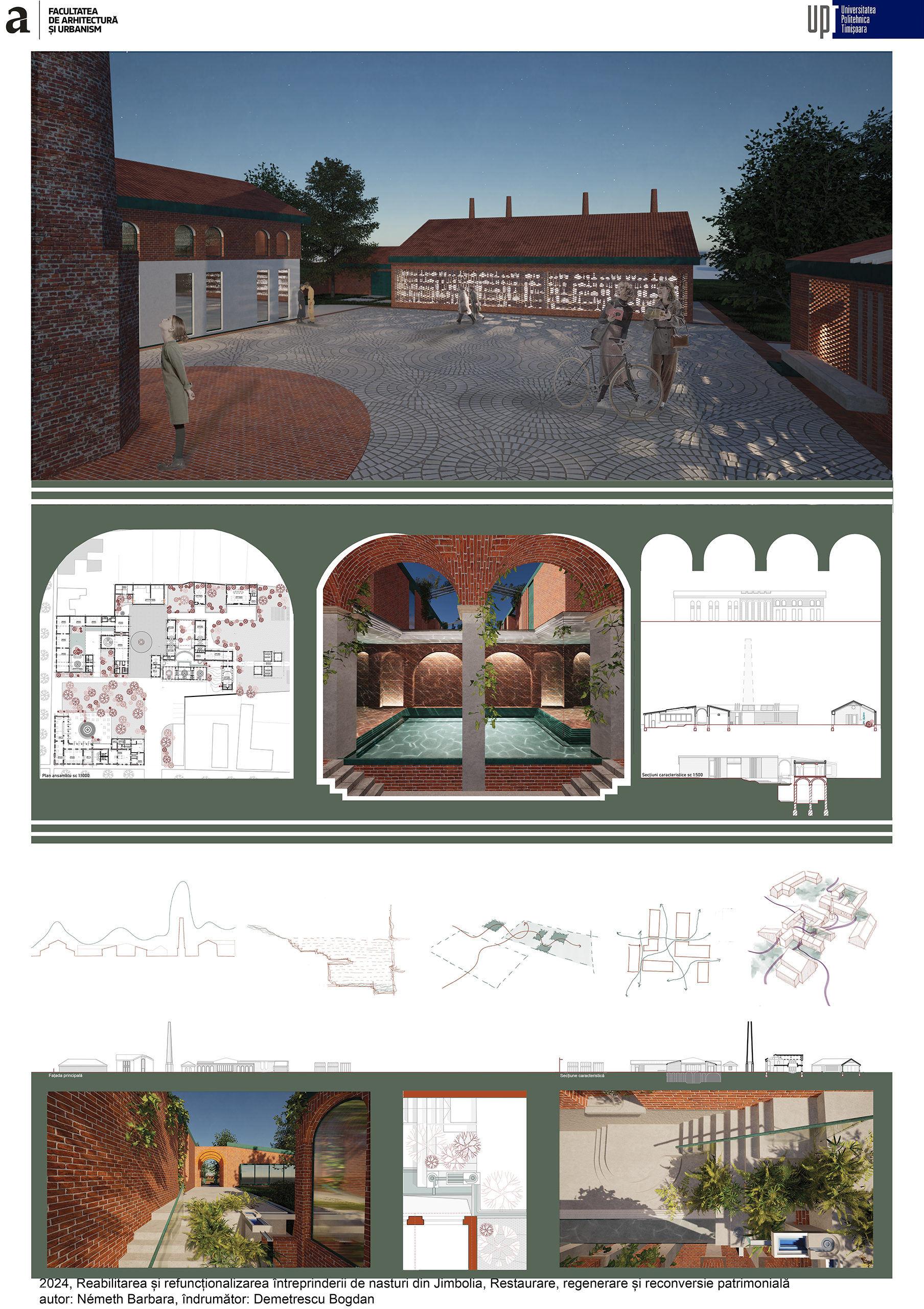
Student: Németh Barbara
Coordinating Professor: Conf.dr.arh. Bogdan Demetrescu
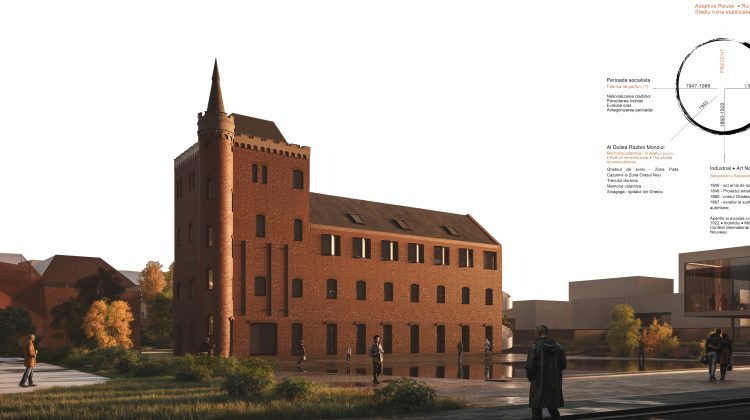
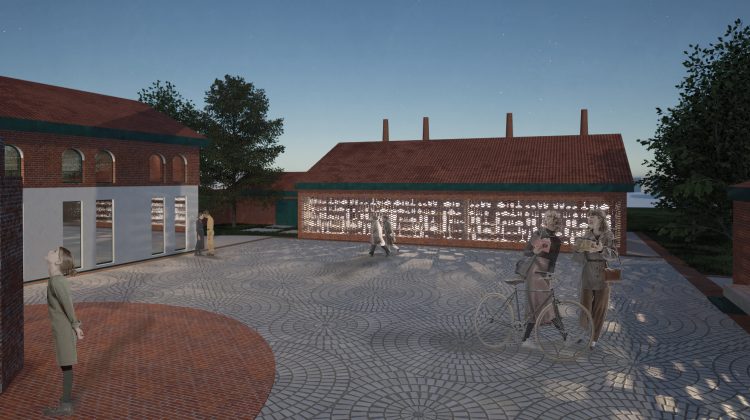
The adaptive reuse project of the Button and Comb Factory in Jimbolia stands out through its approach, which combines respect for historical heritage with the contemporary needs of the community. A detailed study of the city’s historical evolution highlighted the importance of this structure not only as a remnant of the industrial past, but also as a potential catalyst for Jimbolia’s economic and cultural regeneration. Transforming the factory into a multifunctional center dedicated to traditional crafts successfully creates a bridge between past and present, offering new opportunities for residents.
The conversion of the factory into a hub for artisanal workshops and cultural spaces directly addresses the need to revitalize the craft traditions that once defined the local identity before industrialization. This project not only provides a space for preserving and promoting these traditions, but also stimulates local economic development by attracting tourists and supporting local craftsmen.
The proposed architectural intervention respects and enhances the historical characteristics of the site. Preserving essential elements, such as the chimney, and integrating them into the new function of the space reflects a careful balance between conservation and modernization. Through this project, the factory not only regains its importance in the urban landscape, but also becomes a symbol of regeneration and innovation.
An essential aspect of the project is the active involvement of the community in the rehabilitation process. Organizing open workshops, events, and educational programs will strengthen the sense of local belonging. Furthermore, the use of sustainable materials and the integration of modern technologies for energy efficiency ensure that the new center will be environmentally friendly and adapted to contemporary requirements.
The functional reconversion of the Button and Comb Factory in Jimbolia represents not only a physical transformation of a building, but also a revival of the community and craft spirit. By preserving historical elements and integrating them into a modern context, the project contributes to the creation of a strong local identity and the promotion of cultural sustainability. Ultimately, this initiative not only reaffirms Jimbolia as an important cultural and economic center, but also paves the way for new forms of urban development that respect and capitalize on existing heritage.
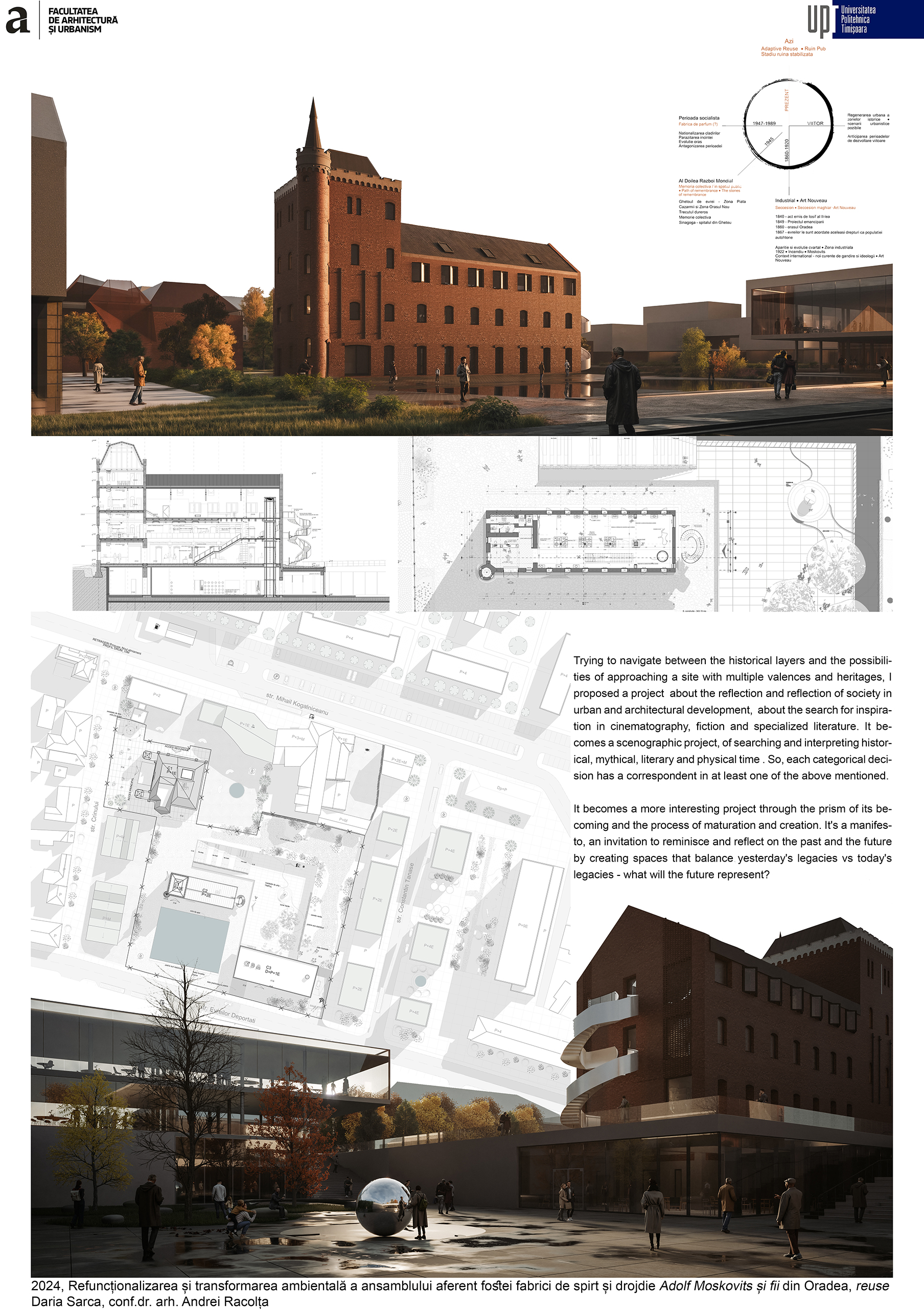
Student: Sarca Daria
Coordinating Professor: Conf.dr.arh. Andrei Racolța
Trying to navigate between the historical layers and the possibilities of approaching a site with multiple valences and heritages, I proposed a project about the reflection and reflection of society in urban and architectural development, about the search for inspiration in cinematography, fiction and specialized literature. It becomes a scenographic project, of searching and interpreting historical, mythical, literary and physical time. So, each categorical decision has a correspondent in at least one of the above mentioned.
It becomes a more interesting project through the prism of its becoming and the process of maturation and creation. It’s a manifesto, an invitation to reminisce and reflect on the past and the future by creating spaces that balance yesterday’s legacies vs today’s legacies – what will the future represent?
Urban Planning
Student: Avram Cristina
Coordinating Professors: Asist.dr.arh. Ștefana Bădescu, Arh. Mihai Danciu
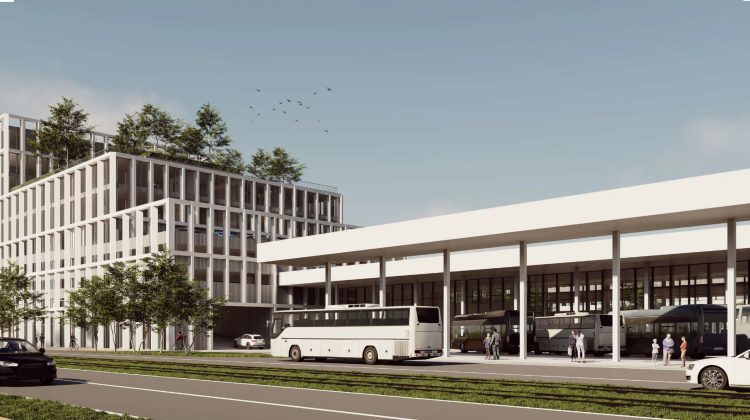
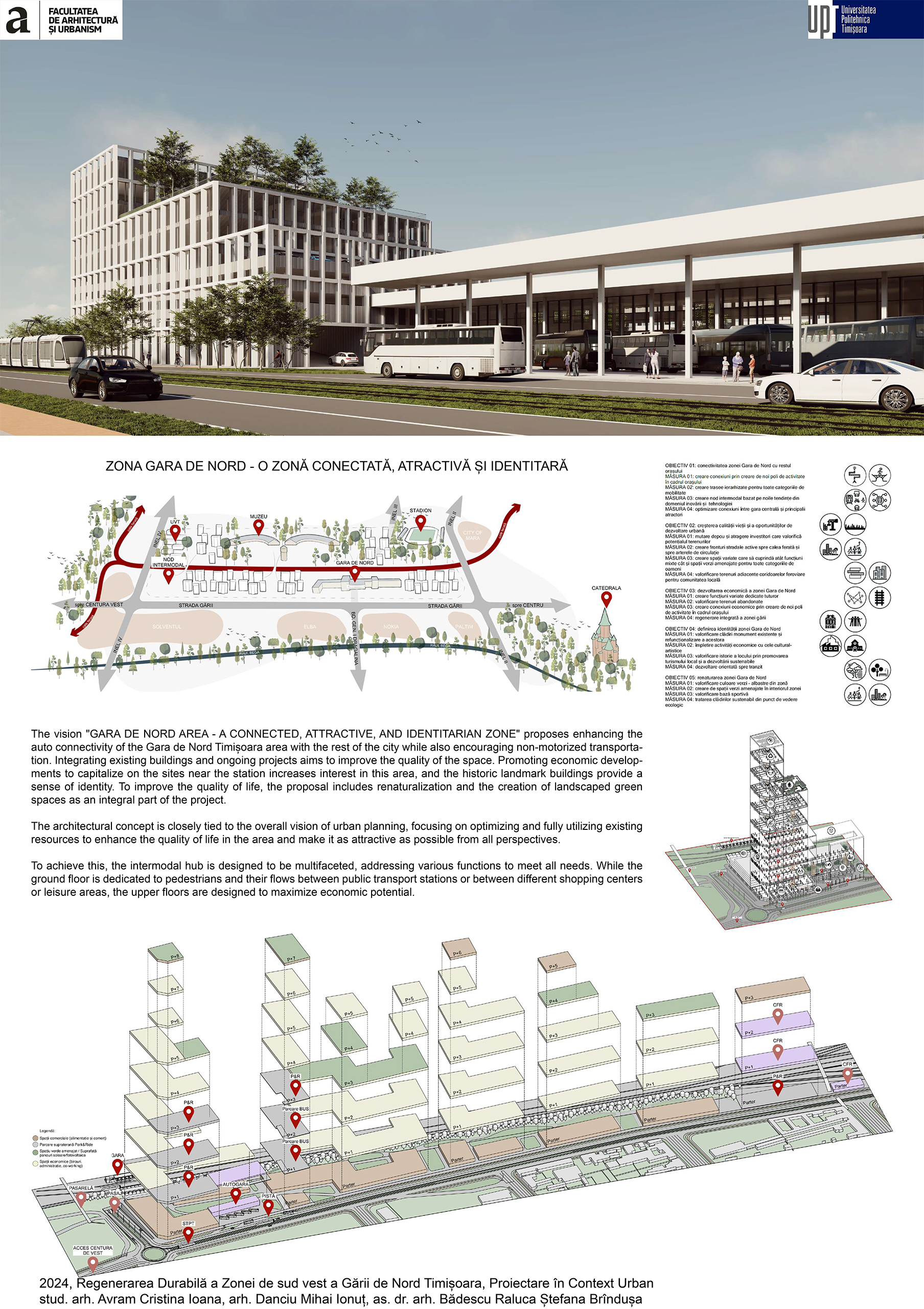
The vision “GARA DE NORD AREA – A CONNECTED, ATTRACTIVE, AND IDENTITARIAN ZONE” proposes enhancing the auto connectivity of the Gara de Nord Timișoara area with the rest of the city while also encouraging non-motorized transportation. Integrating existing buildings and ongoing projects aims to improve the quality of the space. Promoting economic developments to capitalize on the sites near the station increases interest in this area, and the historic landmark buildings provide a sense of identity. To improve the quality of life, the proposal includes renaturalization and the creation of landscaped green spaces as an integral part of the project.
The architectural concept is closely tied to the overall vision of urban planning, focusing on optimizing and fully utilizing existing resources to enhance the quality of life in the area and make it as attractive as possible from all perspectives.
To achieve this, the intermodal hub is designed to be multifaceted, addressing various functions to meet all needs. While the ground floor is dedicated to pedestrians and their flows between public transport stations or between different shopping centers or leisure areas, the upper floors are designed to maximize economic potential.
Students: Ifca Anka-Maria, Illyés Hannah Lilla
Coordinating Professor: Conf.dr.arh. Ana-Maria Branea
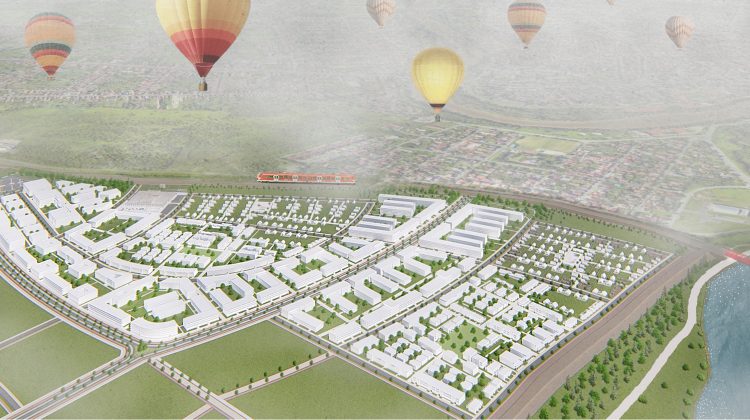
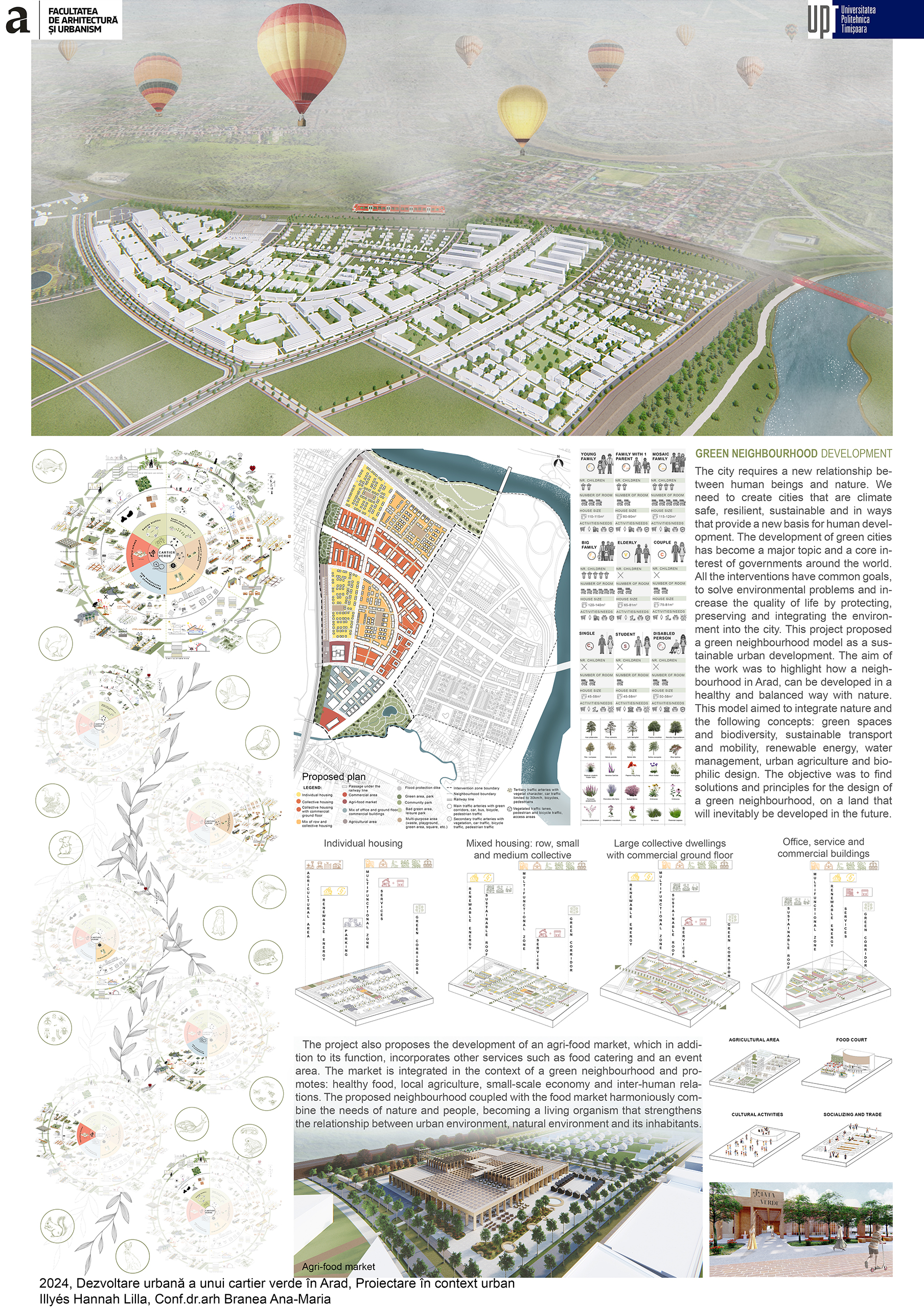
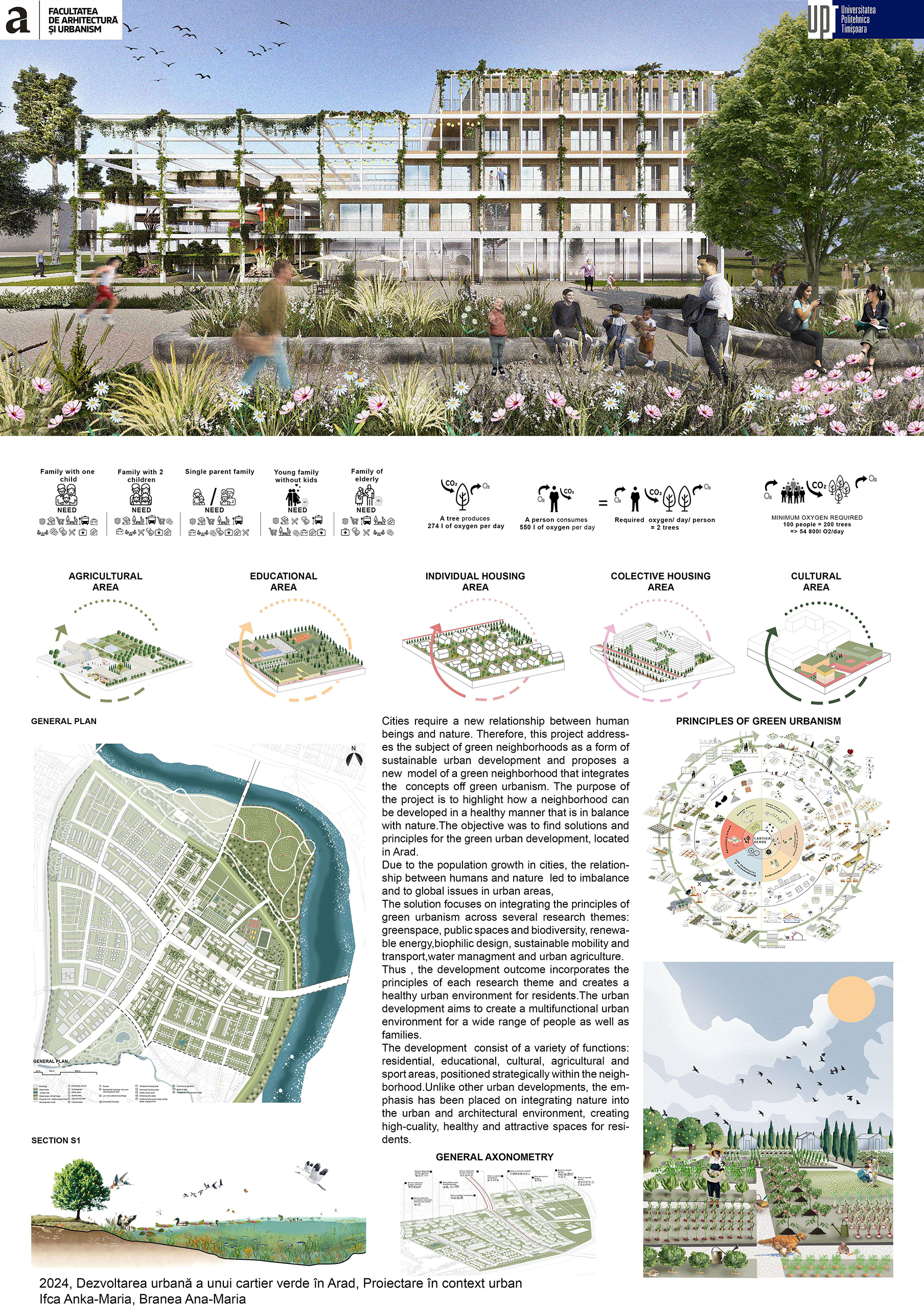
Cities require a new relationship between human beings and nature. Therefore, this project addresses the subject of green neighborhoods as a form of sustainable urban development and proposes a new model of a green neighborhood that integrates the concepts of green urbanism. The purpose of the project is to highlight how a neighborhood can be developed in a healthy manner that is in balance with nature. The objective was to find solutions and principles for the green urban development, located in Arad.
Due to the population growth in cities, the relationship between humans and nature led to imbalance and to global issues in urban areas.
The solution focuses on integrating the principles of green urbanism across several research themes: greenspace, public spaces and biodiversity, renewable energy, design, sustainable mobility and transport, water management and urban agriculture. Thus, the development outcome incorporates the principles of each research theme and creates a healthy urban environment for residents. The urban development aims to create a multifunctional urban environment for a wide range of people as well as families.
The development consist of a variety of functions: residential, educational, cultural, agricultural and sport areas, positioned strategically within the neighborhood. Unlike other urban developments, the emphasis has been placed on integrating nature into the urban and architectural environment, creating high-quality, healthy and attractive spaces for residents.
ARCHITECTURE – YEAR VI
| Generation 2024 | Diploma Thesis Development | 2023-2024 |