
Portfolio Category: MASTER TMTN
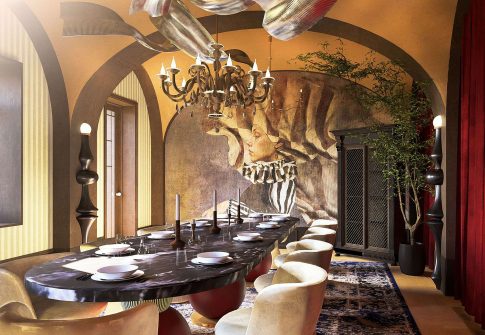
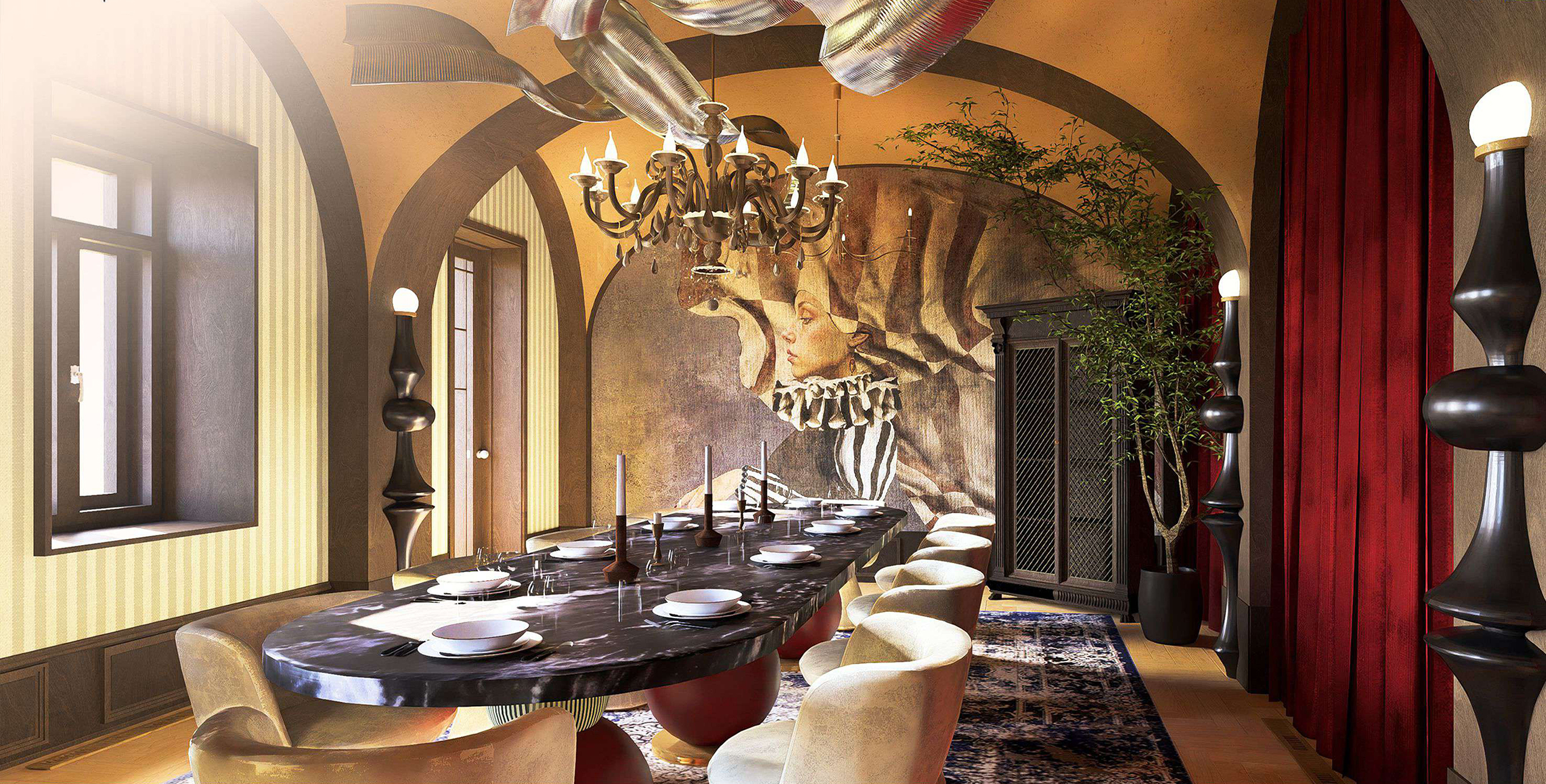
TMTN MASTER’S DISSERTATION PROJECTS
Master’s dissertations within the Trends, Materials and New Technologies in Interior Architecture Master’s programme at the Faculty of Architecture and Urban Planning Timișoara are structured into three stages:
- development of the foundation study (prediploma) in order to document the theoretical work and the methodological foundation of the practical work (master’s diploma project)
- development of a theoretical work based on the research memorandum (foundation study)
- development of the master’s diploma project in the specialization “interior architecture”.
The choice of the dissertation topic – from the fields of: interior architecture, furniture or object design, interior restoration, materials, specific technologies – will be made in such a way that the study of the subject will help to substantiate the theoretical work and develop the diploma project. Although the subject will be related to a broad issue and will have a broad vision, the approach focuses on applied research, clearly highlighting how the diploma project integrates the studied topics.
2025
For the full texts please click on the pages of the brochure below.
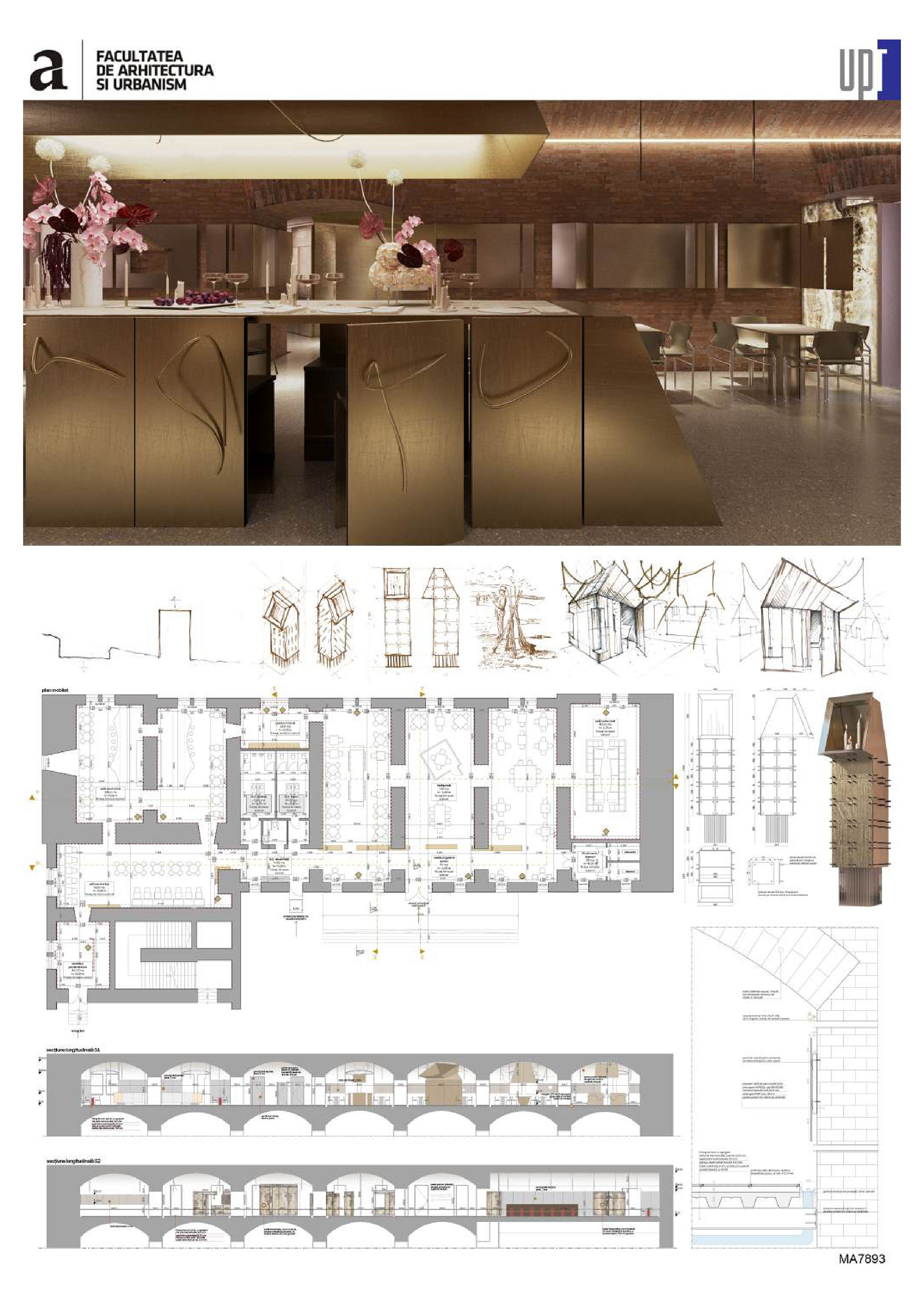
Student: Bokor Henrietta
Coordinating Professor: Arh. Dr. Ing. Mihai Muțiu
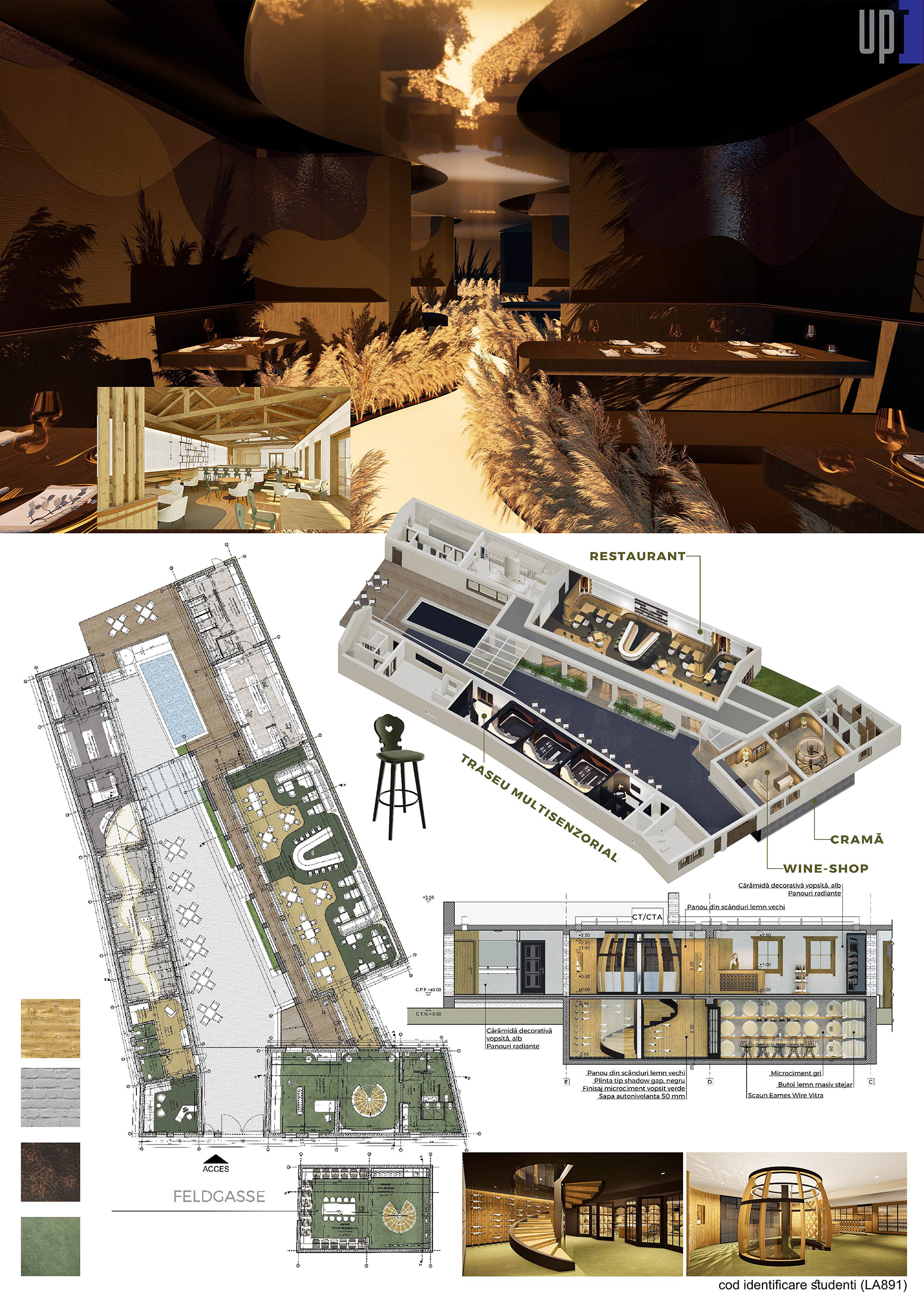
This paper explores the potential of multisensory interior design as a means of reconnecting with nature and with the values of authentic rural life. The project proposes the interior design of a restaurant and a wine cellar located in the Burgenland region of Austria — an area characterized by strong winemaking traditions and significant historical and cultural value — making it an ideal context for creating an experience that integrates local traditions with sustainable approaches and contemporary design trends.
The main objective of the project is to create a space where guests not only enjoy local gastronomy but also engage in a holistic and immersive experience that stimulates all the senses — from taste and smell to touch, hearing, and sight. Each space is conceived as part of a narrative spatial sequence — a “village within a village” — where atmosphere, materiality, and light contribute to a sense of well-being, calm, and belonging.
This sensory journey is carefully designed to reflect the essence of the place, the rhythm of nature, and the cultural identity of the region. From the soft morning light filtering through the tall windows of the restaurant to the gentle coolness of the wine cellar, each area becomes a setting for rediscovering simplicity and serenity. The proposed interior interventions aim not to disrupt but to enhance the authenticity of the rural context, transforming each visit into an emotional encounter with space and community.
The research investigates the impact of interior design elements on user experience, drawing on theories of multisensory aesthetics, environmental psychology, and sustainability. The methodology includes case studies, direct observations, and interviews, which collectively inform the design process in a coherent and applied manner.
The project respects the vernacular character of the existing architecture and reinterprets it through subtle interventions that incorporate natural local materials, ecological solutions, and contemporary ambient design strategies. More than a design exercise, this thesis represents a reflection on the capacity of spatial environments to generate authentic emotions, foster connection, and support inner balance.
Student: Ciobanu Robert Paul
Coordinating Professor: Ș.l. dr. arh. Maja Bâldea
This paper presents the challenge of a transdisciplinary study that explores issues of semiotics in relation to historical architecture, ethical considerations and conduct in interventions on historical buildings, concepts and factors of sustainability, material technologies, as well as the capacity to evaluate the efficiency of such interventions compared to widely used and established typologies.
The success of the research lies in uncovering new perspectives that frame historical buildings as opportunities within the built environment, demonstrating their potential to be both efficient and revalorized. By employing diverse and economically viable architectural programs, the conversion of a historic building into new functions exemplifies the wide range of possibilities and opportunities that historical architecture can offer.
This research is intended primarily as an example of an operational approach rather than as a manual or a universally applicable system, as it requires continuous adaptation to the specific conditions and challenges presented by each historical space.
Potential issues highlighted by this research include the difficulty of developing a broadly applicable guide, as well as the risk of generalizing typologies and intervention techniques without sufficiently considering the particular context of each historical building.
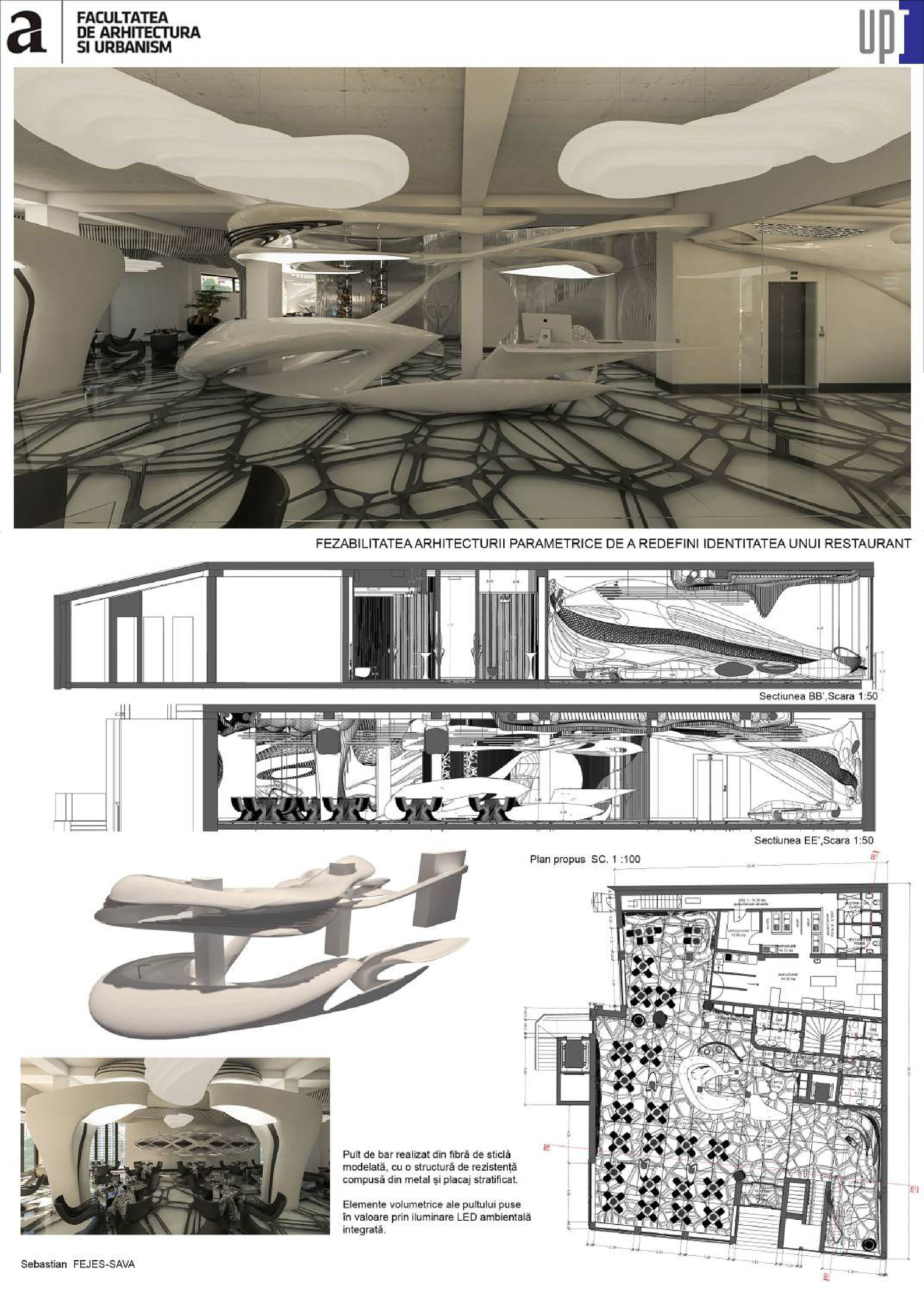
Students: Sebastian Fejes-Sava
Coordinating Professor: Conf. dr. arh. Andrei Racolța
This work aims to redefine the identity of a restaurant through the integration of parametric architecture into interior design, employing modern and futuristic elements while creating a seamless connection between exterior and interior architectural expressions.
The restaurant is part of the Boca Boutique Hotel, owned by SC Hartl Ernst Imobiliare SRL. The construction of the hotel began in 2002 and was completed in 2005. Over the past decade, the building has undergone several functional transformations. The upper floors were converted from hotel rooms into office spaces, while the secluded floor was transformed from a nightclub into office space. Currently, the upper floors have returned to their original function as hotel rooms, whereas the secluded floor continues to operate as office space.
This research seeks to translate architectural visions into spatial realities by exploring the intersection of architectural technology and urbanism, while also integrating parametric design with emerging technologies. One of the most significant impacts of parametric design in architecture is its capacity to generate complex, fluid, and dynamic forms, resulting in spaces that are not only visually striking but also environmentally responsive and sustainable.
By examining the relationship between technology, architecture, and urban development, broader concepts such as sustainable cities, digital replicas, 3D printing, and artificial intelligence are brought into focus, reshaping both the perception and the conditions under which we design and construct the built environment. The integration of parametric design with emerging technologies — including artificial intelligence, 3D printing, virtual reality, and augmented reality — opens new frontiers, with the potential to streamline design and construction processes, reduce material waste and human error, and contribute to the creation of more adaptable and resilient built environments.
Students: Bota Ariadna-Maria
Coordinating Professor: Ș.l.dr.arh. Otilia Tudoran
The present paper aims to develop a boutique hotel located in the center of Arad, in close proximity to the „Ioan Slavici” National Theatre — an important cultural institution that frequently hosts guests from the artistic community. Establishing a shared relationship between this cultural landmark and a hospitality facility has the potential to generate value not only for the city and its local community, but also for artists and for individuals interested in immersive socio-cultural experiences capable of transporting them into an unconventional yet historically grounded ambient framework.
This initiative represents a return to a defining moment in the evolution of artistic communities — a recalibration of collective creative practices that have gradually diminished under the accelerated development of technology, which has increasingly distanced the artist both from the artistic process and from meaningful interaction with other members of the community, whether local or international. In the past, artists would gather to exchange ideas, debate personal and professional beliefs, and pursue goals that transcended individual self-affirmation, placing greater emphasis on the act of artistic creation itself. Within this social context, artistic production evolved toward an exploratory dimension, encouraging engagement with complex conceptual frameworks rather than focusing solely on the refinement of representational techniques.
The project seeks to establish the foundations of a hospitality unit whose objectives extend beyond accommodation and basic services. By generating a cultural impulse within a highly significant urban area, the intervention has the potential to trigger a broader revitalization process throughout the central perimeter of the city, gradually enhancing its value through sustained cultural activity. This process may contribute to the development of a collective spirit aware of its own cultural significance — one that supports what individuals consciously or unconsciously seek: meaningful experiences, emotional engagement, and authentic encounters.
Thus, the proposal addresses not only the revitalization of an urban context but also the creation of a space with a distinct identity capable of stimulating dialogue, inspiration, and a genuine sense of belonging. Ultimately, the project aspires to restore the city as an authentic setting where culture, aesthetics, and social exchange naturally intertwine in a continuous process of transformation and mutual enrichment.
The research component aims to formulate directive guidelines adapted to contemporary social and spatial realities, which will subsequently inform the interior design proposal in order to respond to the real needs of the users directly or indirectly involved in this community of interest. The intention is to develop a comprehensive project understood both as an operational mechanism and as an intervention firmly anchored within the existing urban scale.
Consequently, the relational structure between the interconnected spaces will be carefully defined, as these spaces will serve as the contextual framework for the unfolding of the proposed narrative strategy. This approach will result in a synthesis of visual communication elements throughout the process of generating spatial volumes that resonate with the atmospheric and environmental character associated with Impressionism.
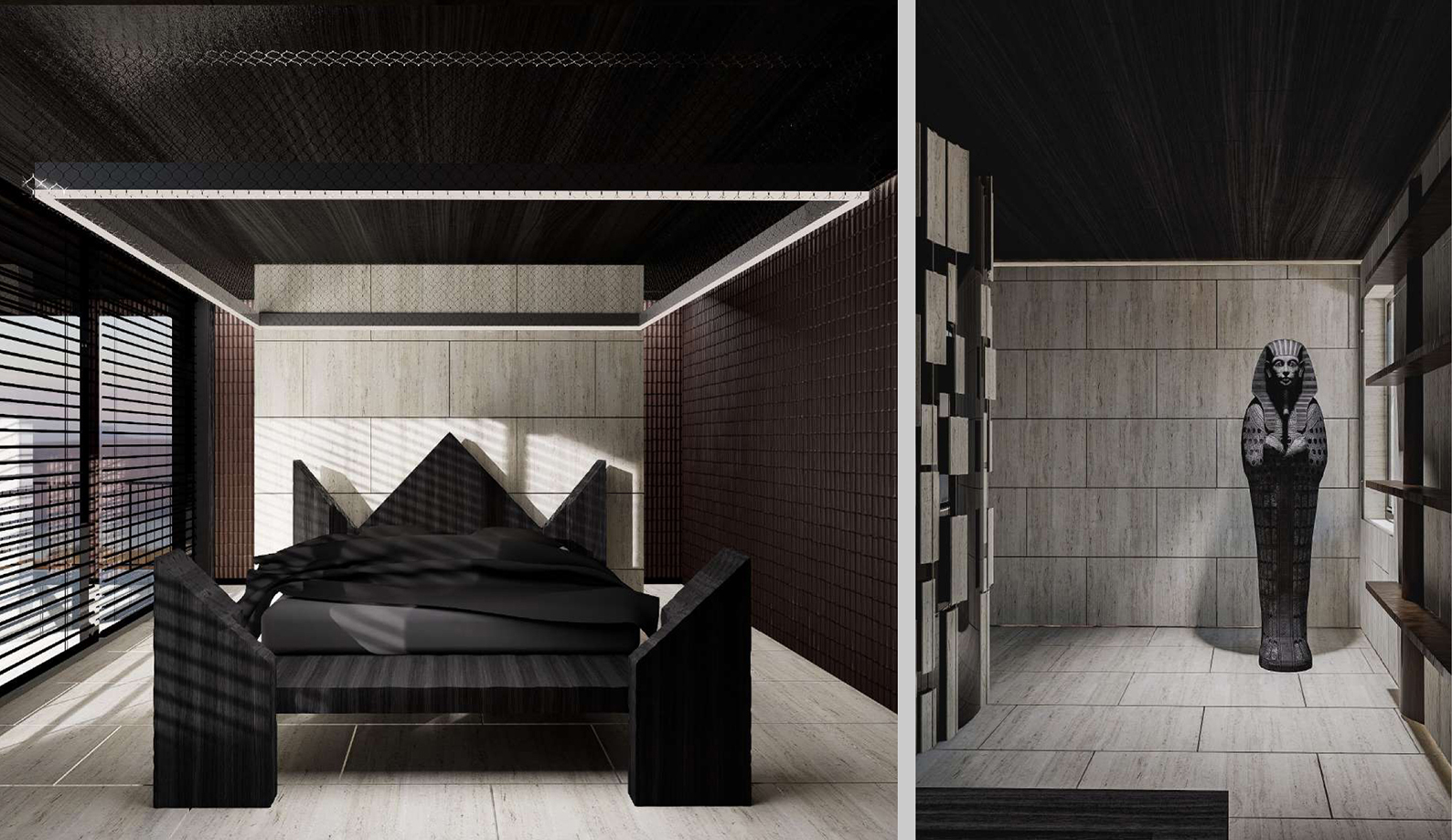
2025 | ARHITECTURĂ DE INTERIOR 1 | T01
RO: Proiectul vizează amenajarea și mobilarea zonelor de zi și de noapte din cadrul unei locuințe contemporane cu caracter permanent, prin adaptarea unei construcții pre-existente, iar condiționările de temă conduc către o configurare maximală a locuinței, atât ca spațiu dar și ca buget. Locuința este destinată unei personalități din lumea contemporană reală, cu activitate în sfera artistică în sens larg. Soluția presupune înțelegerea profilului și aspirațiilor beneficiarului, conceptul amenajării traducând preferințele sale plastice și stilistice.
Suportul de lucru poate fi selectat de studenți din trei variante structurale distincte (beton, lemn sau metal), fiind livrate în acest sens 3 exemple constructive. Demersul integrează și îndrumarea unui inginer de rezistență, astfel încât operarea asupra unui spațiu existent să fie experimentat și din perspectivă tehnică.
EN: The project aims the design and furnishing of the day and night areas within a contemporary home with a permanent character, by adapting a pre-existing construction. The thematic conditions lead to a maximum configuration of the home, both in terms of space and budget. The home is intended for a personality from the real contemporary world, with activity in the artistic sphere in a broad sense. The solution involves understanding the profile and aspirations of the beneficiary, the design concept translating his plastic and stylistic preferences.
The work support can be selected by students out of three distinct structural variants (concrete, wood or metal), with 3 constructive examples being delivered in this regard. The approach also integrates the guidance of a structural engineer, so that the operation on an existing space is also experienced from a technical perspective.
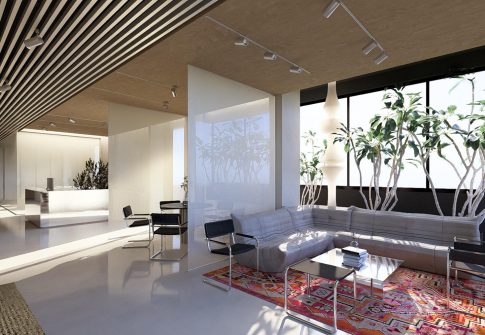
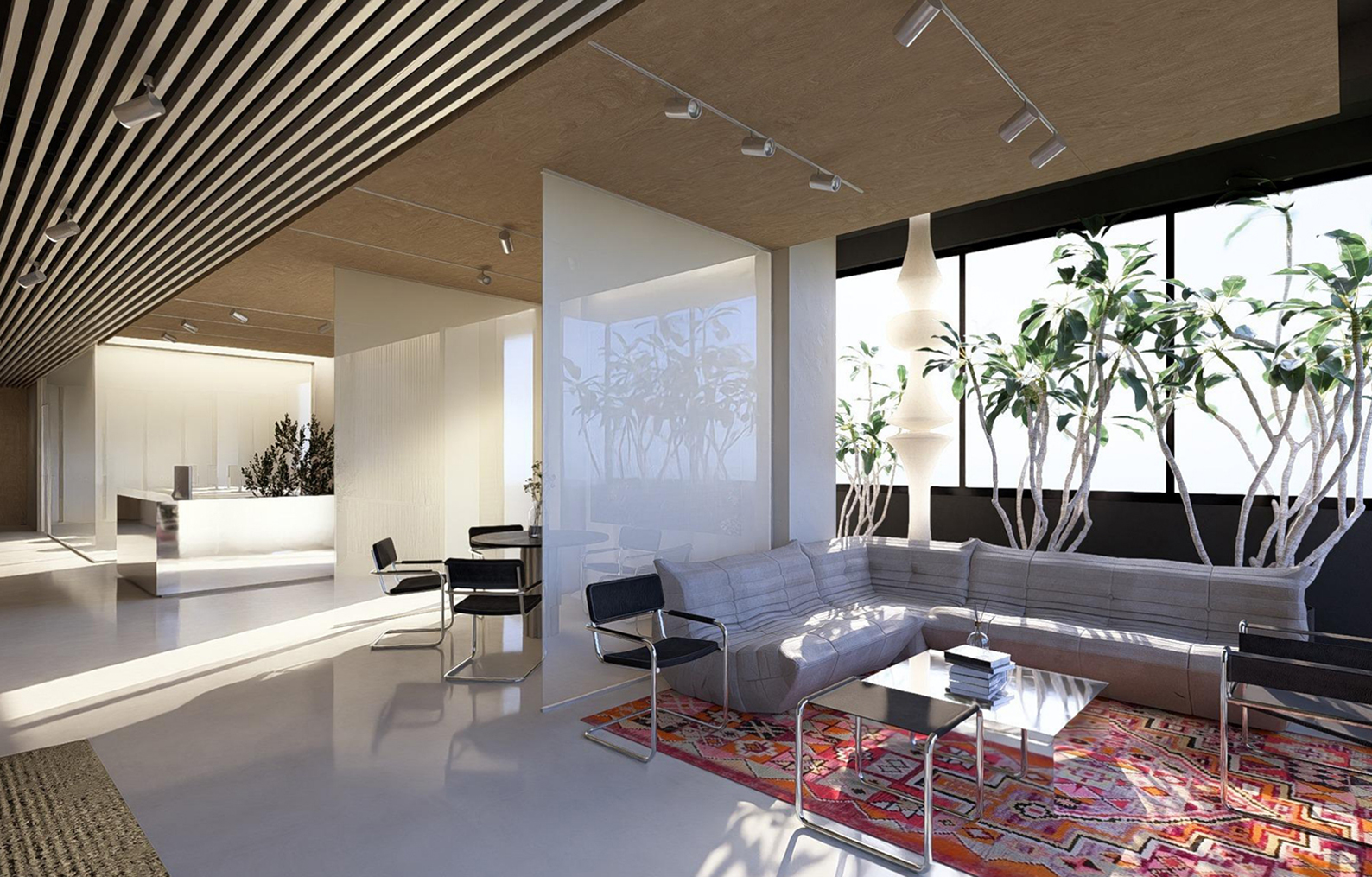
2025 | ARHITECTURA DE INTERIOR 3 | T01
RO
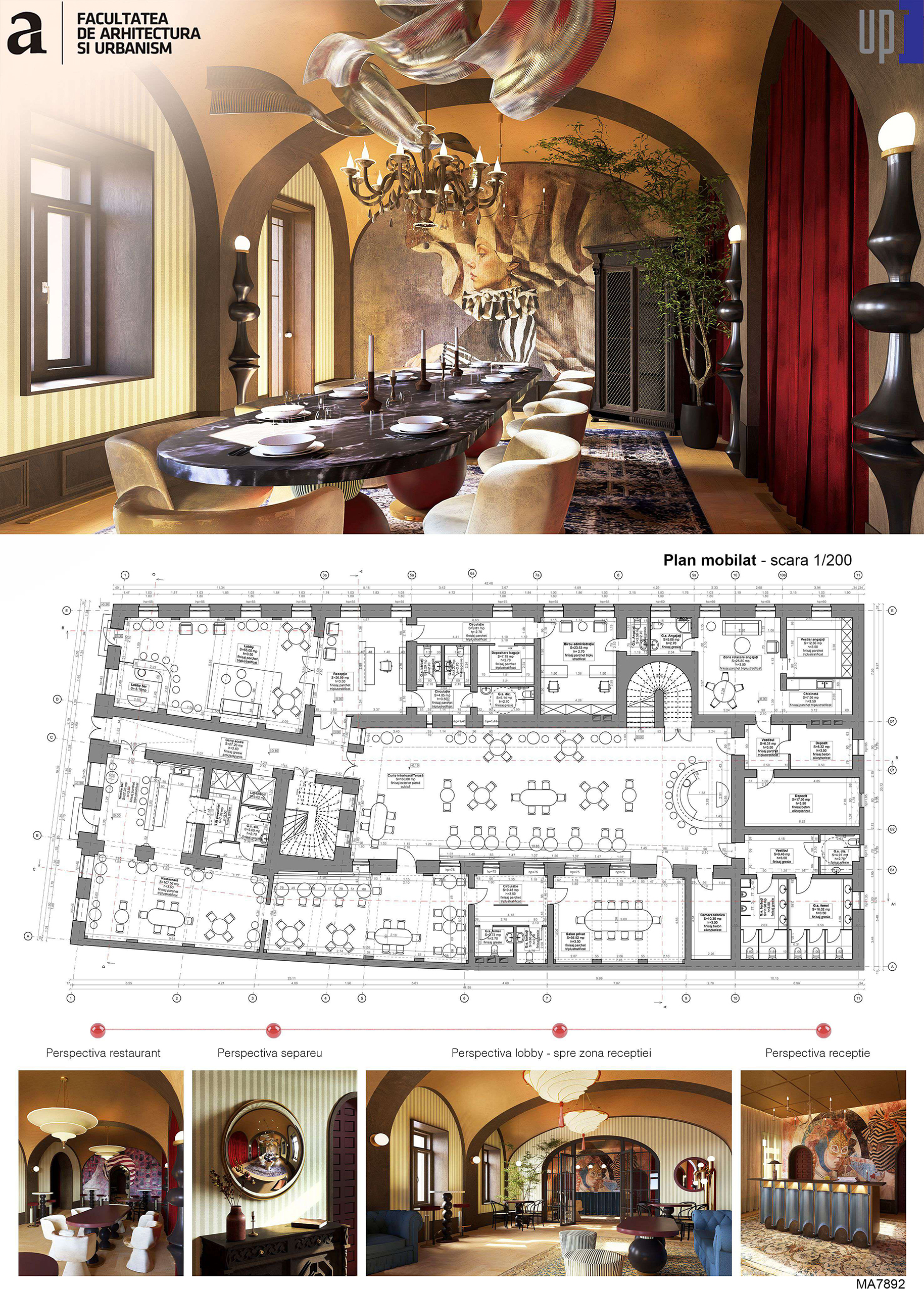
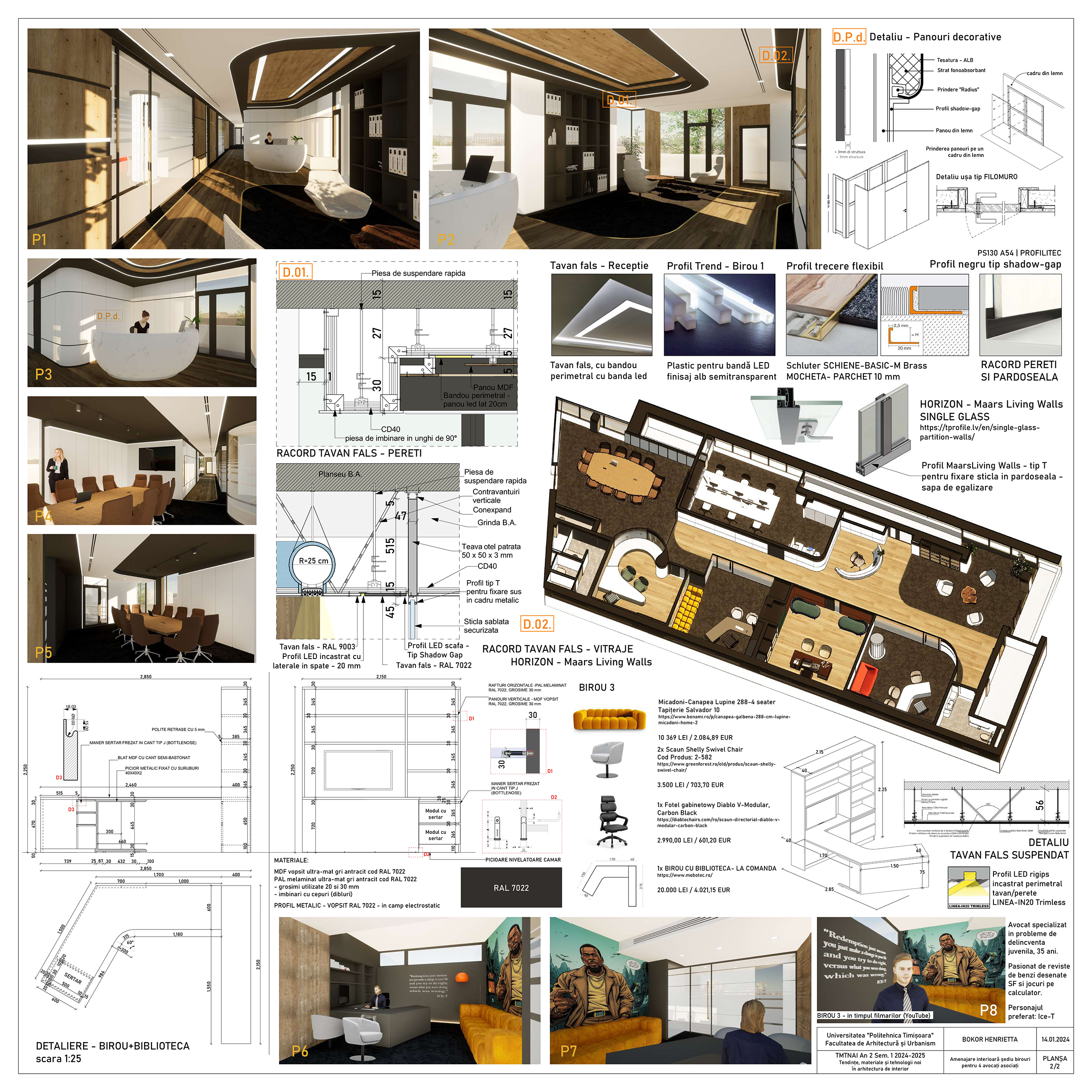
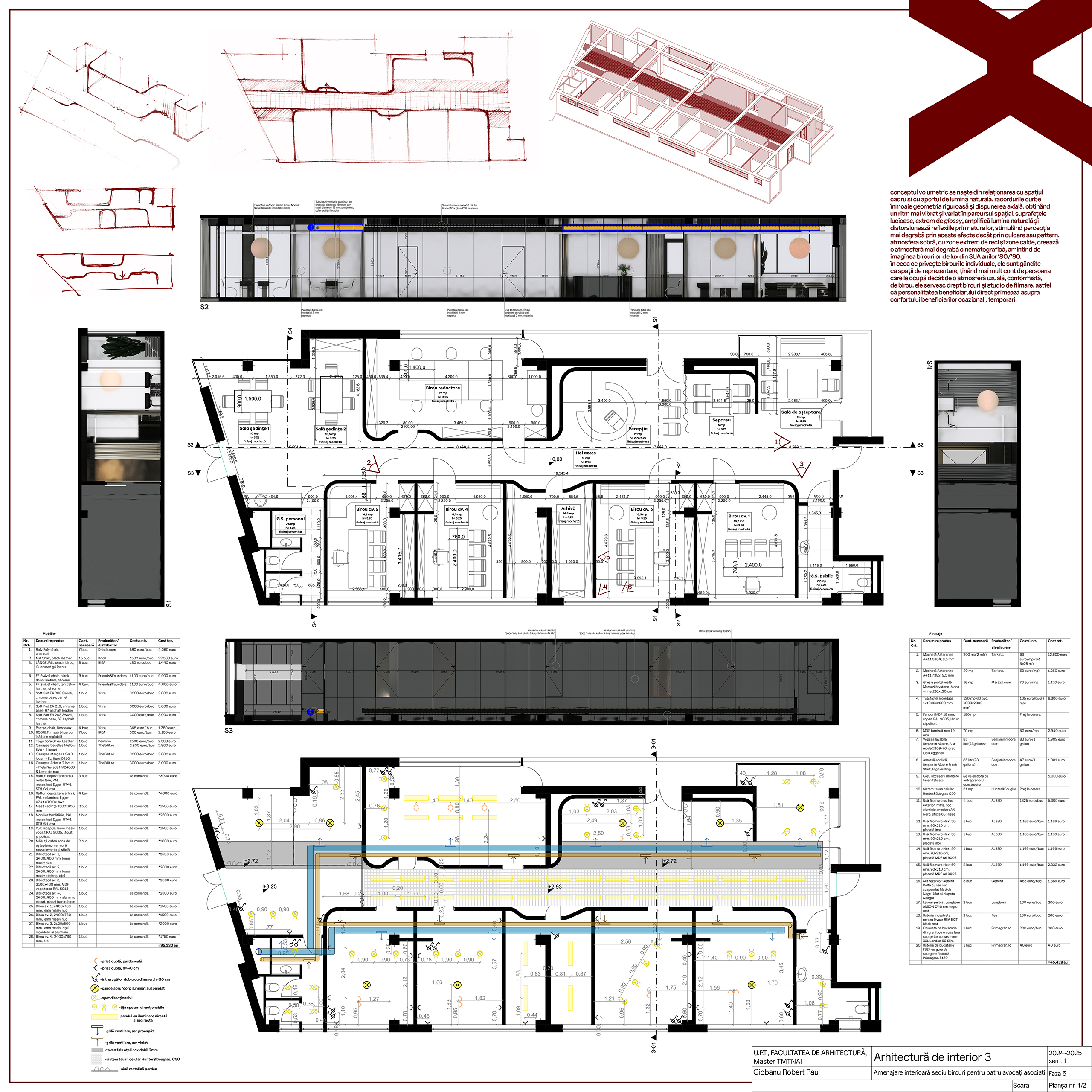
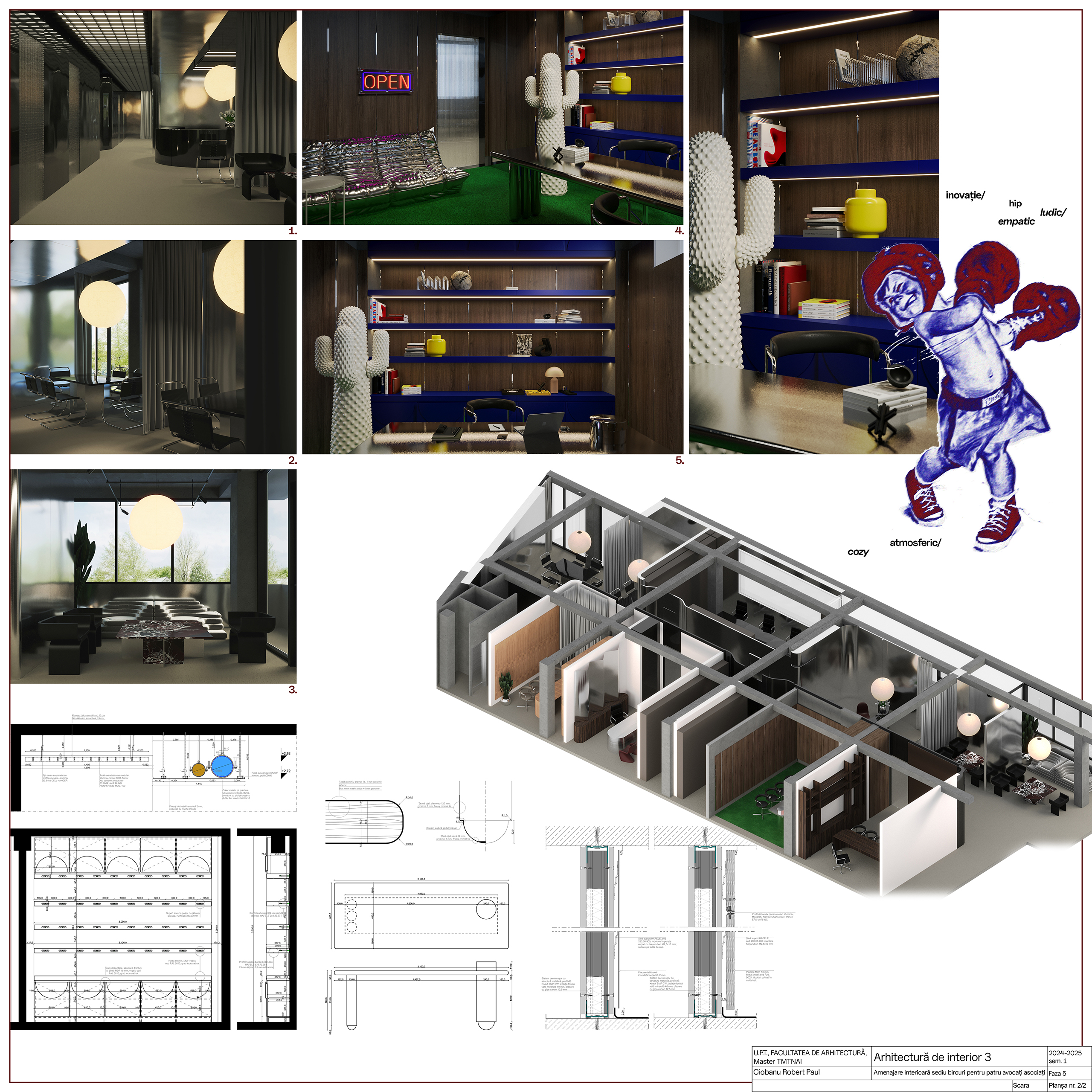
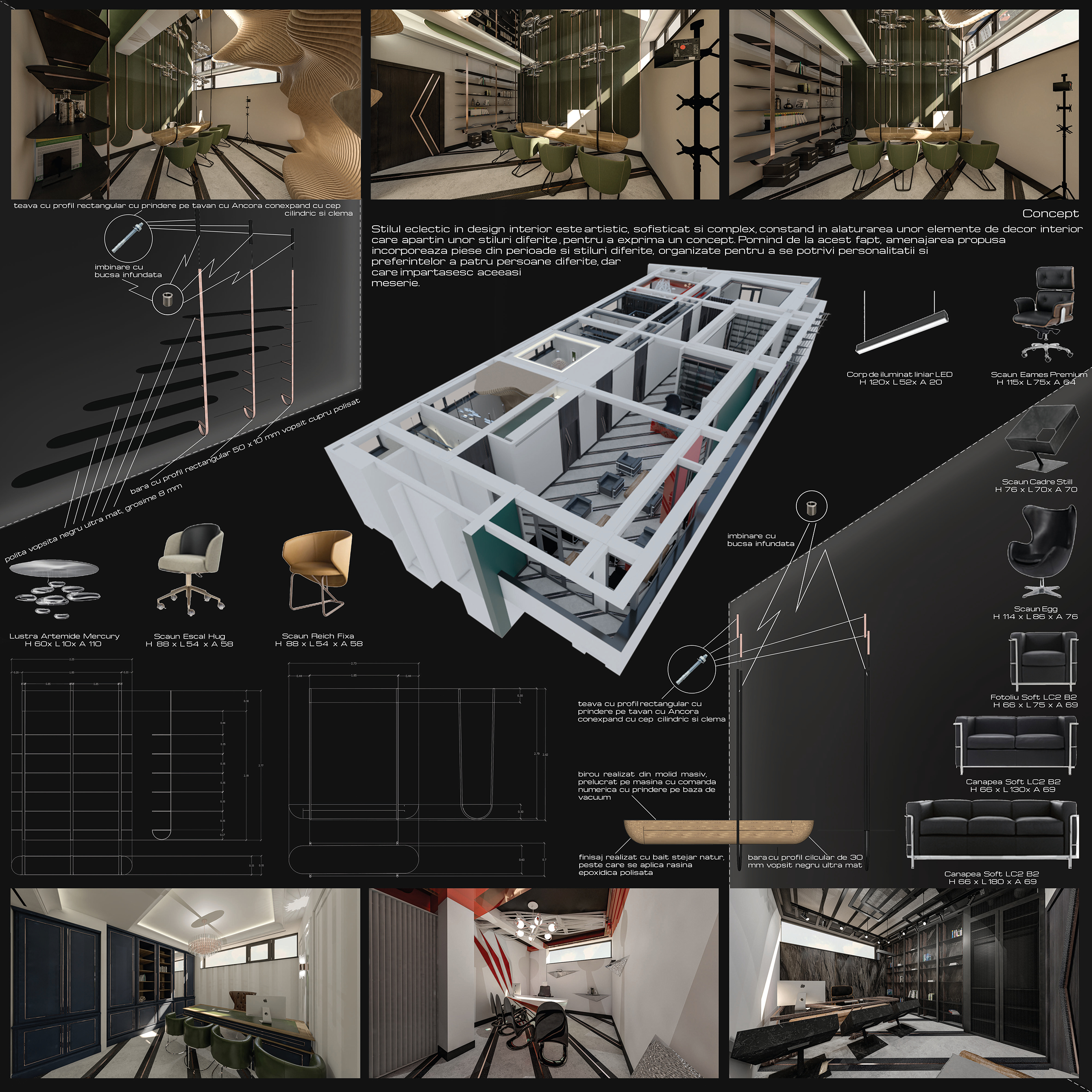
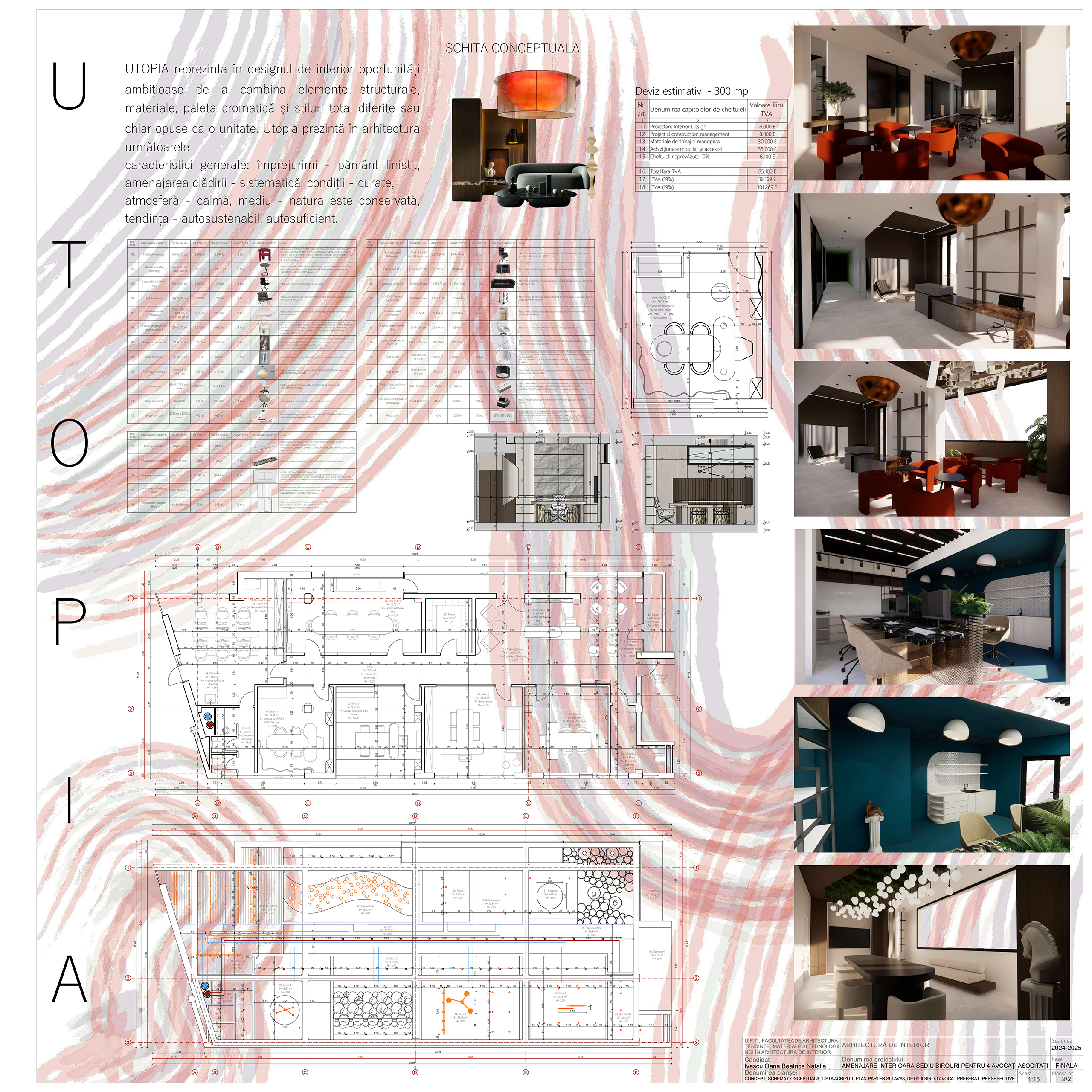
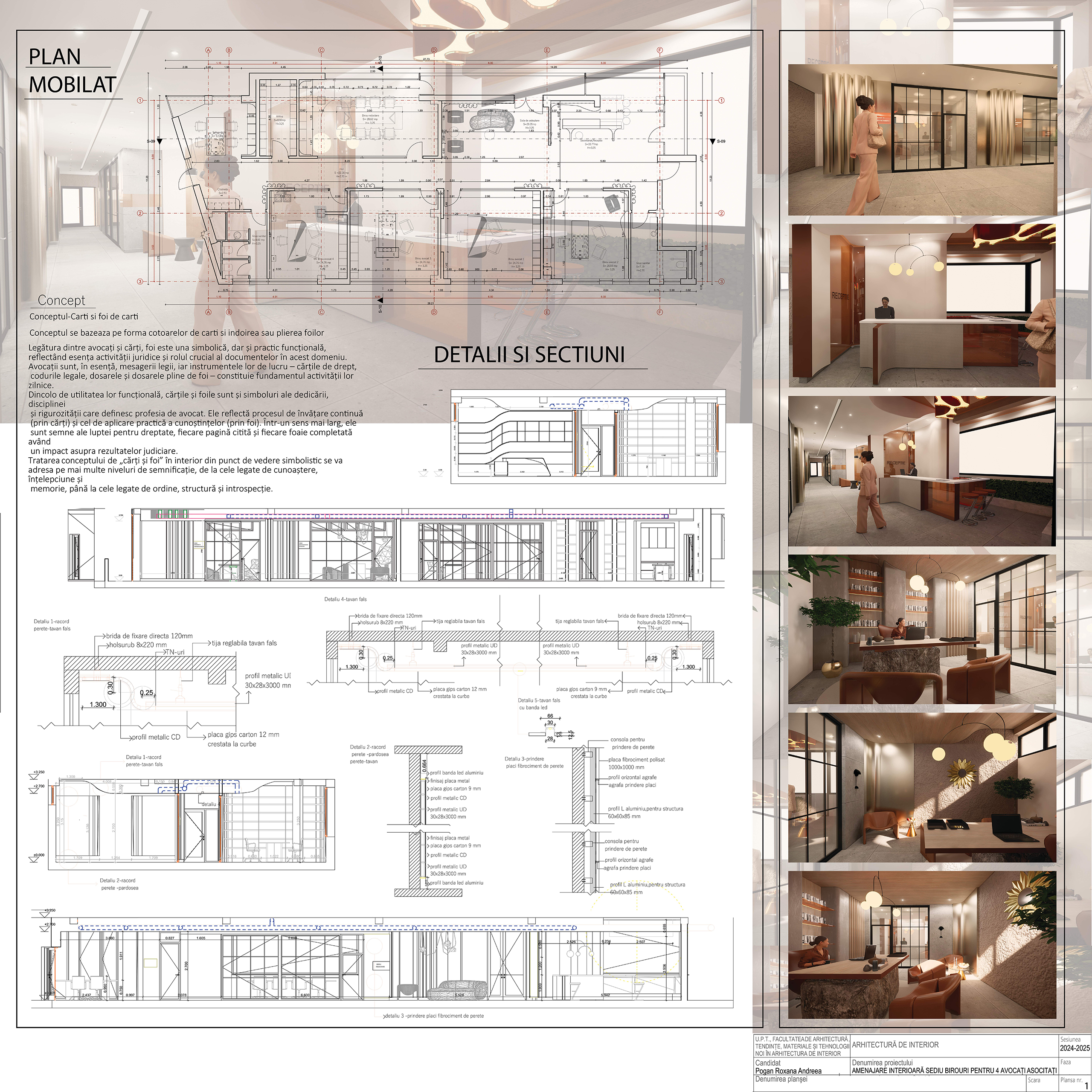
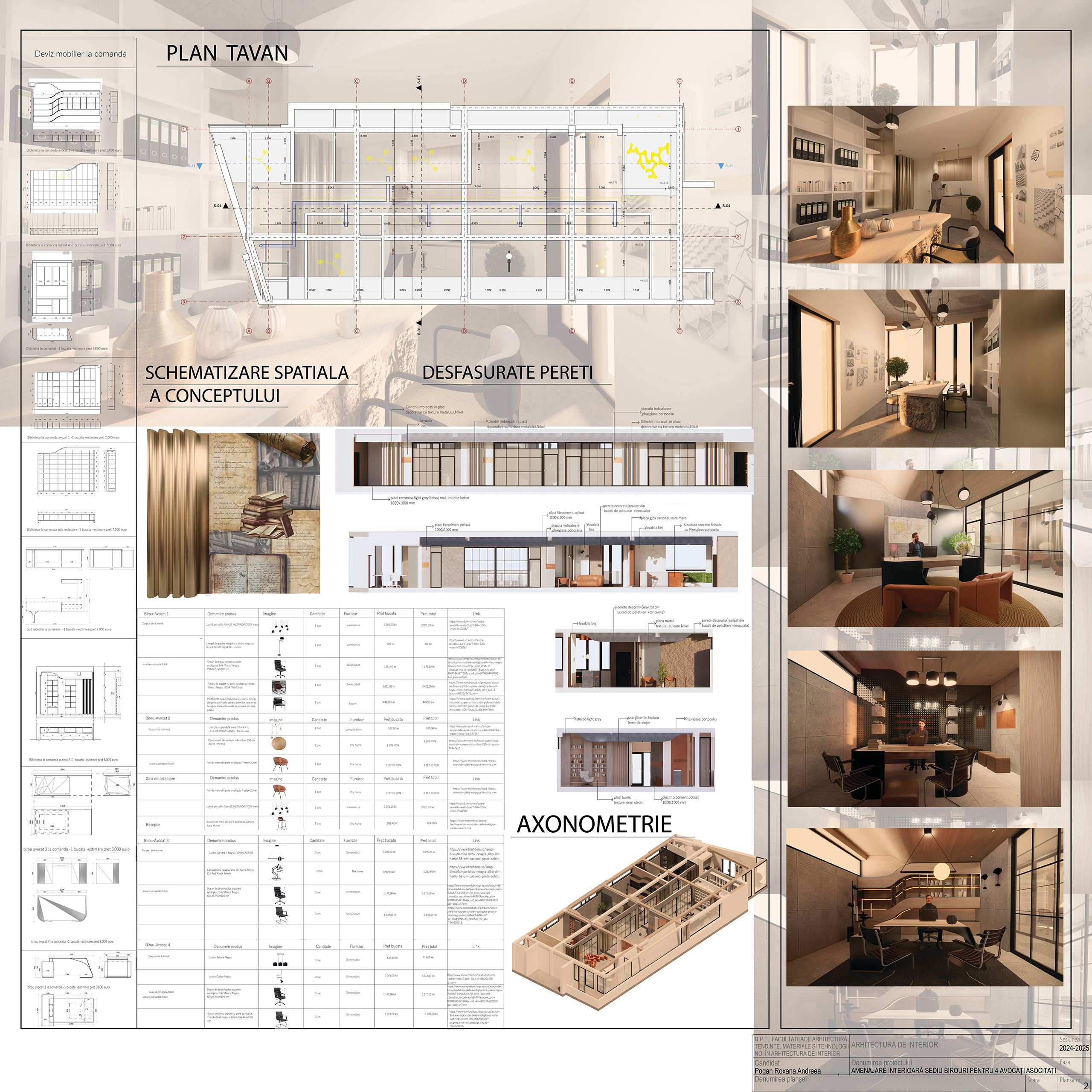
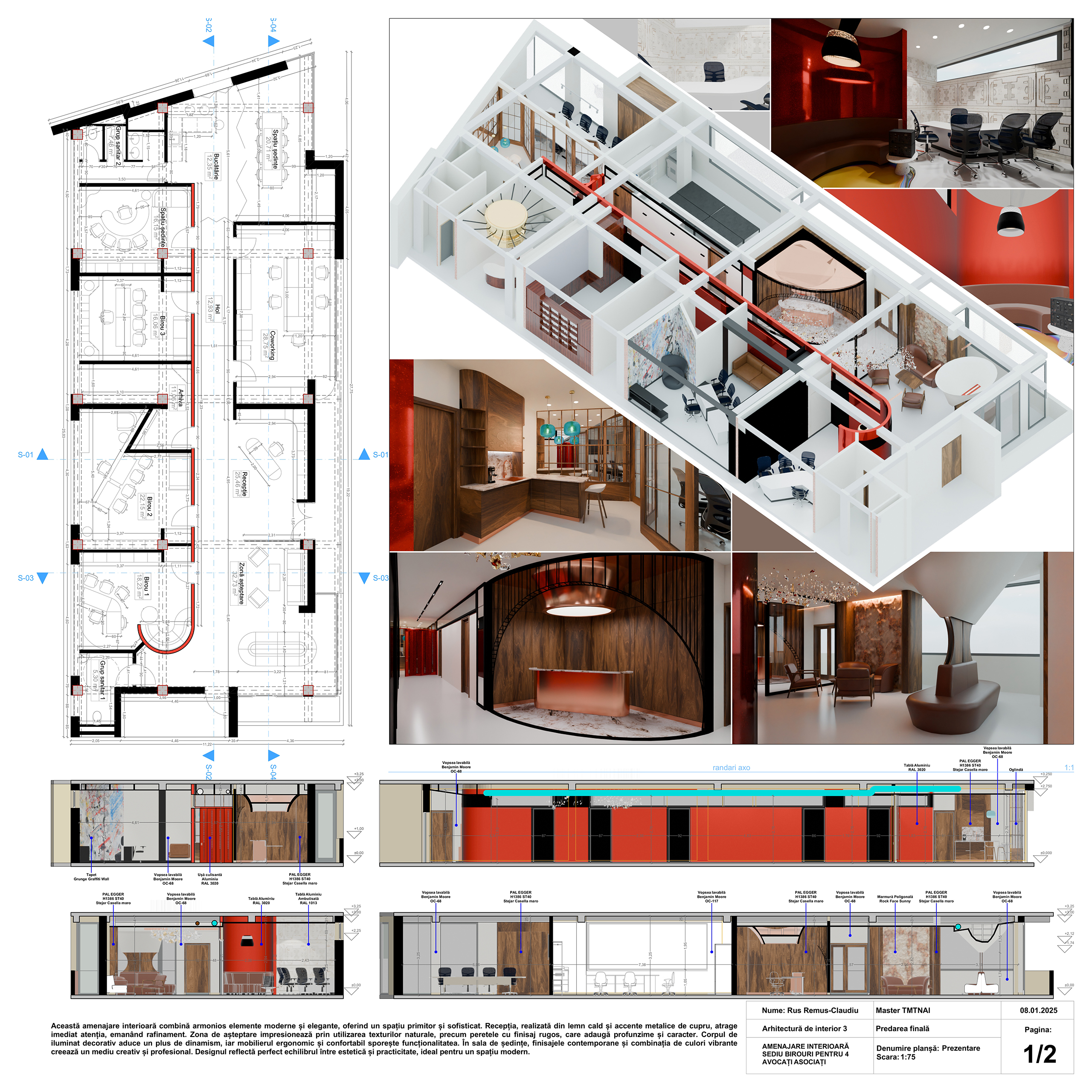
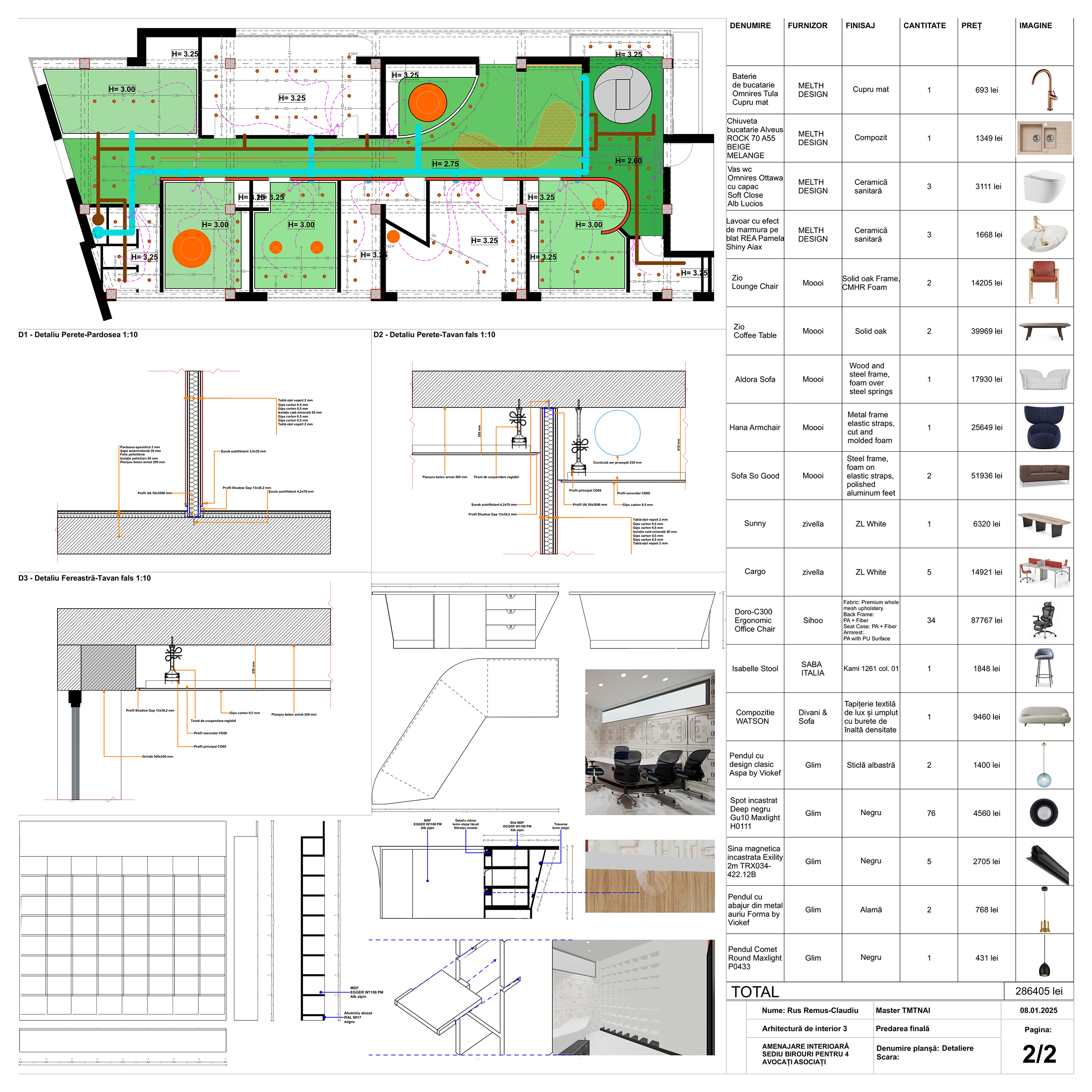
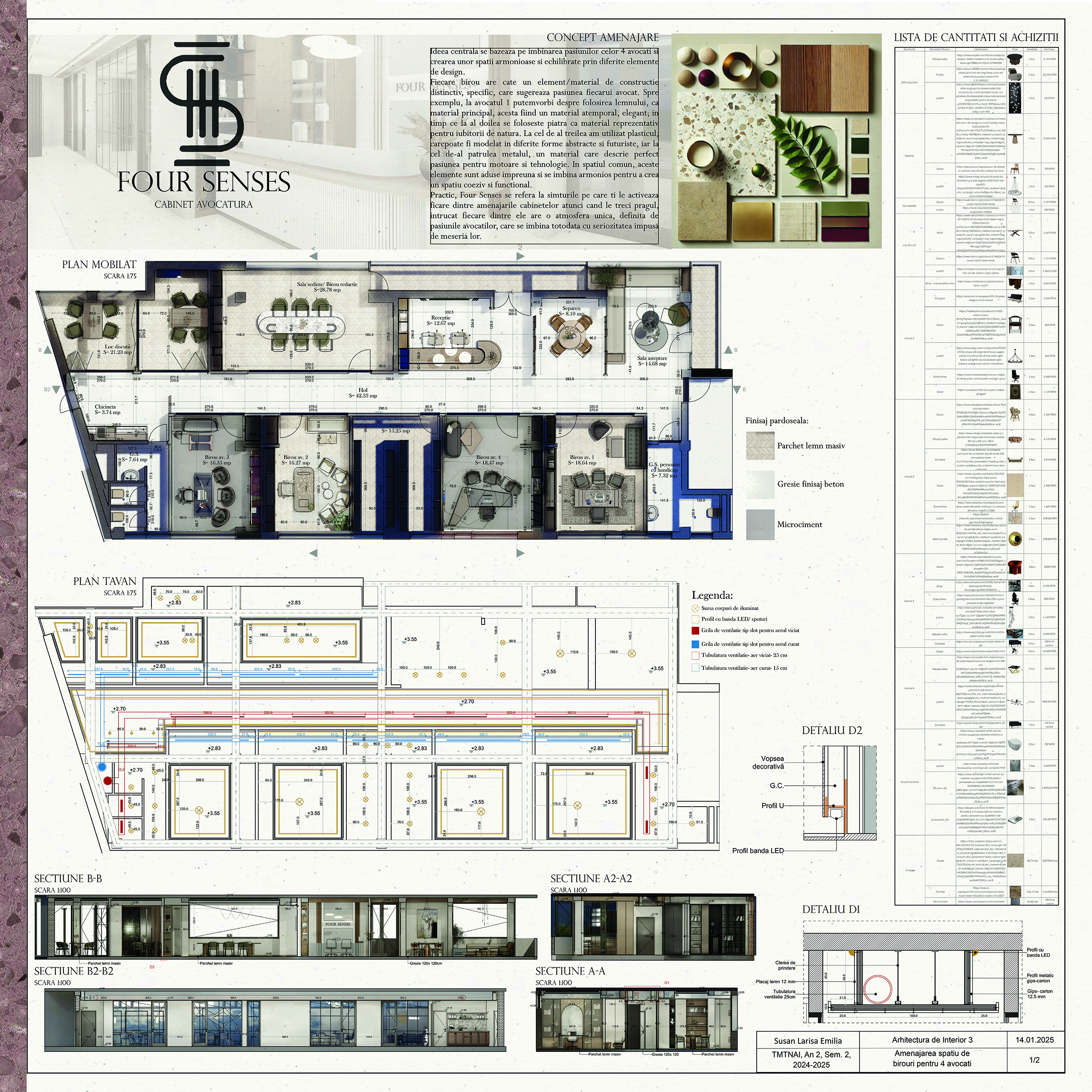
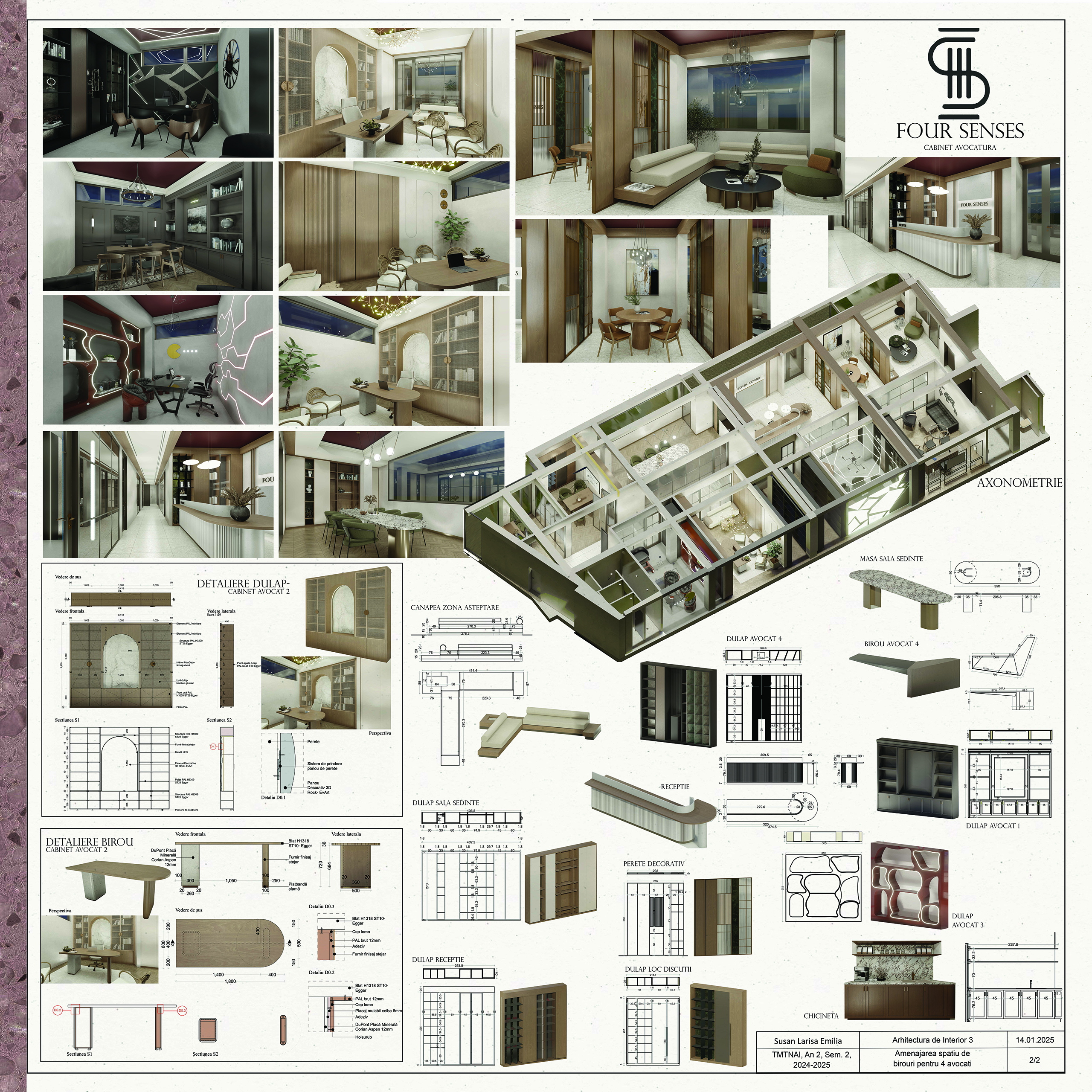
Cei patru avocați asociați – beneficiarii proiectului – au personalități puternice și totodată diferite:
- – specializat în probleme de drept de proprietate și fiscalitate. Sex masculin, 50 ani. Pasionat de multiculturalitate, istoria imperiului austro-ungar. Personajul preferat: Franz Josef.
- – specializată în probleme de ecologie și protecția animalelor. Sex feminin, 40 ani. Pasionată de natură și design-ul biofilic. Personajul preferat: Sf. Francisc de Assisi
- – specializat în probleme de delincvență juvenilă. Sex masculin, 35 ani. Pasionat de reviste de benzi desenate SF și jocuri pe calculator. Personajul preferat: IceT.
- – specializat în probleme legate de accidente rutiere. Sex masculin, 45 ani. Pasionat de motoare și tehnologie analogică. Personajul preferat: Niki Lauda
Birourile acestora se vor personaliza în funcție de personalitatea și specializarea fiecăruia dintre ei, dar spațiile comune și cele destinate publicului vor avea un caracter sobru, elegant și oficial, însumând totodată în mod echilibrat elemente comune pe placul tuturor celor patru asociați.
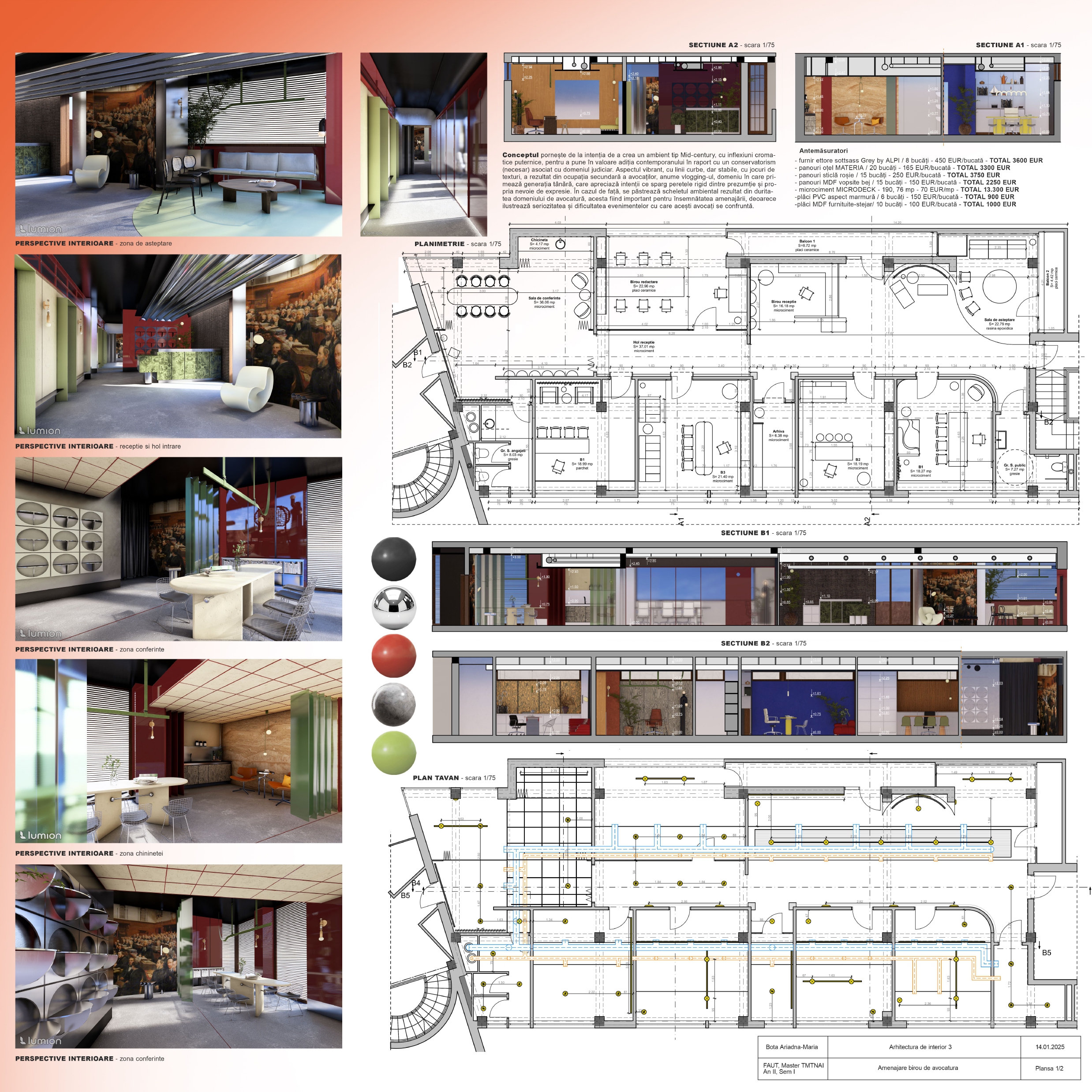
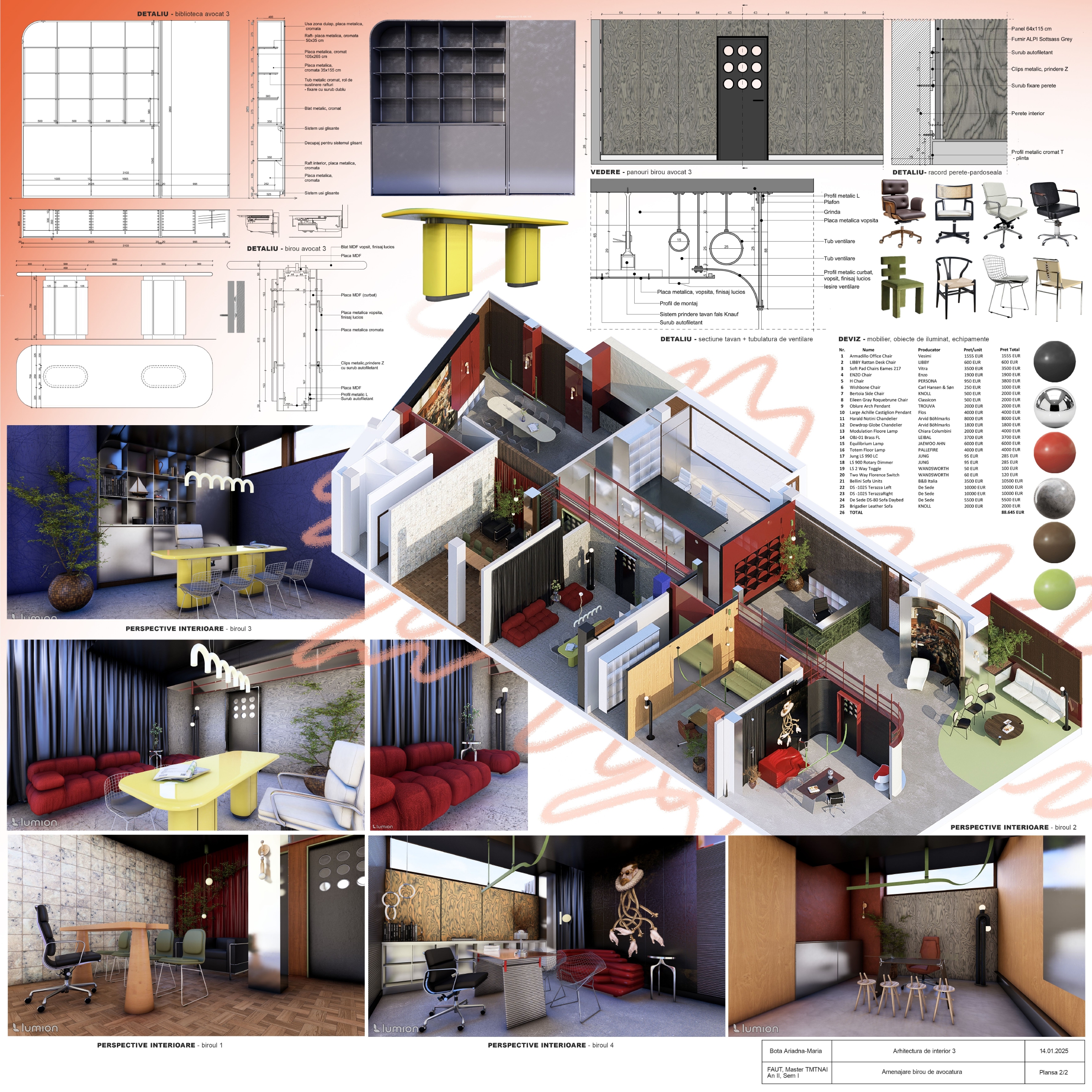
For the full pictures please click on the pages of the brochure below.
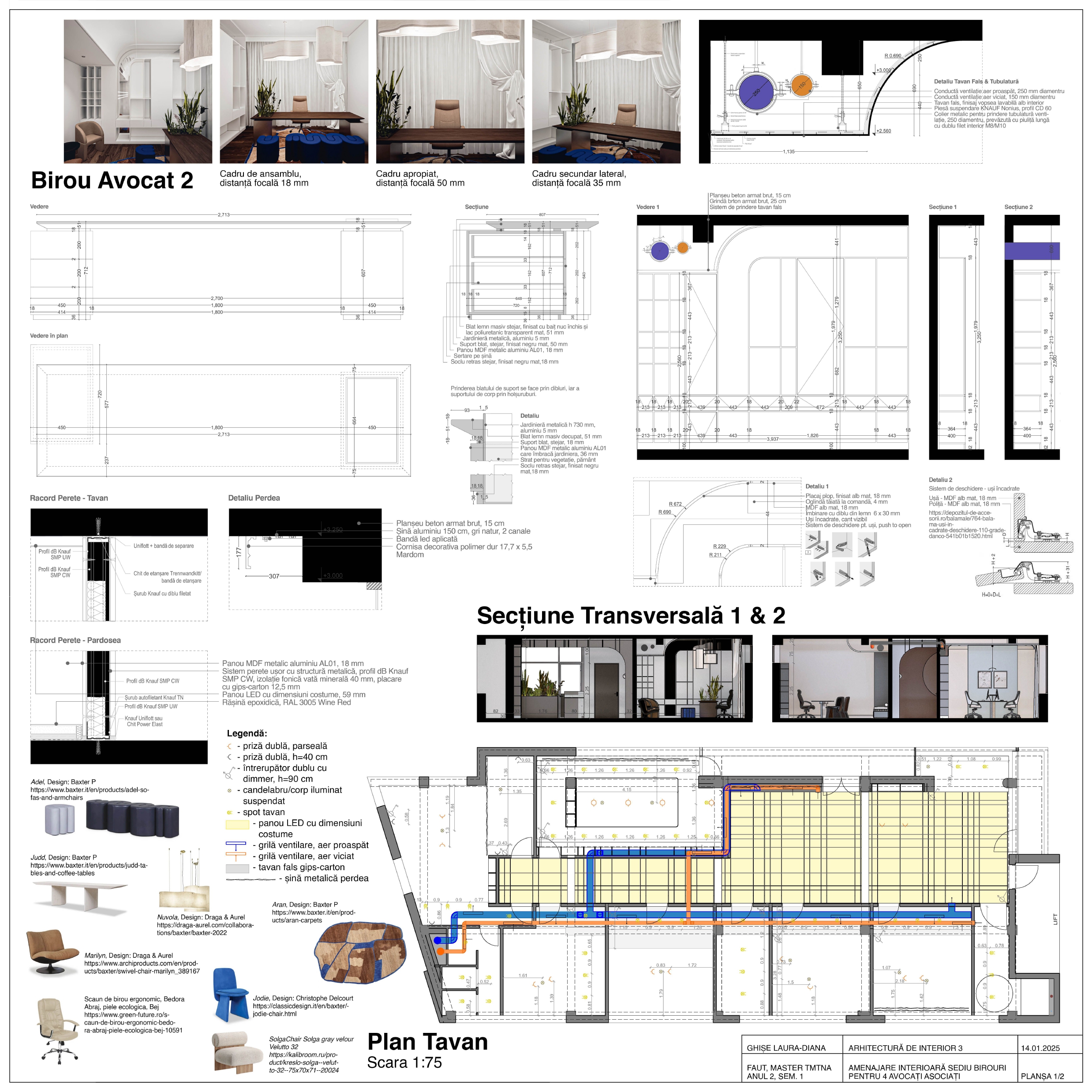

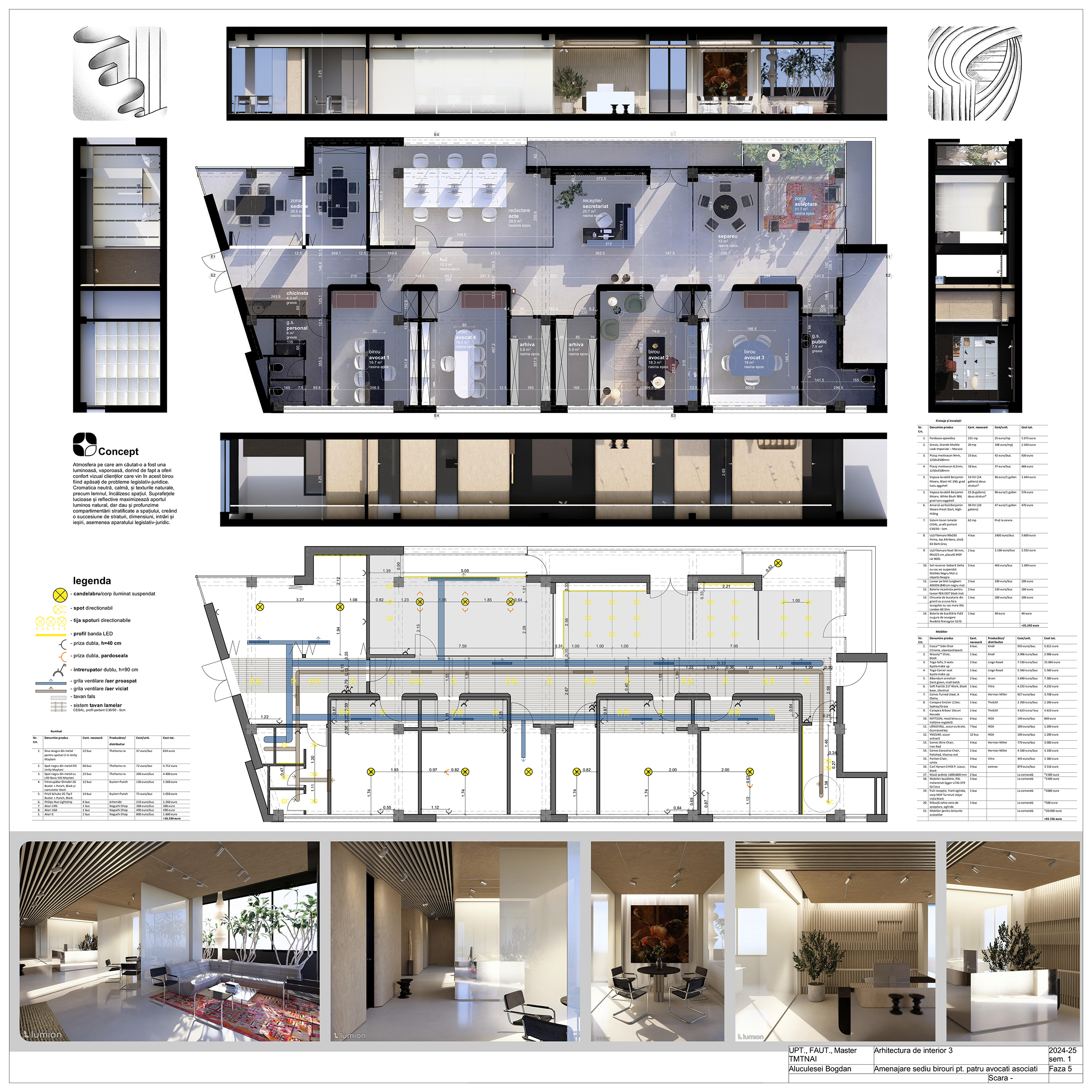
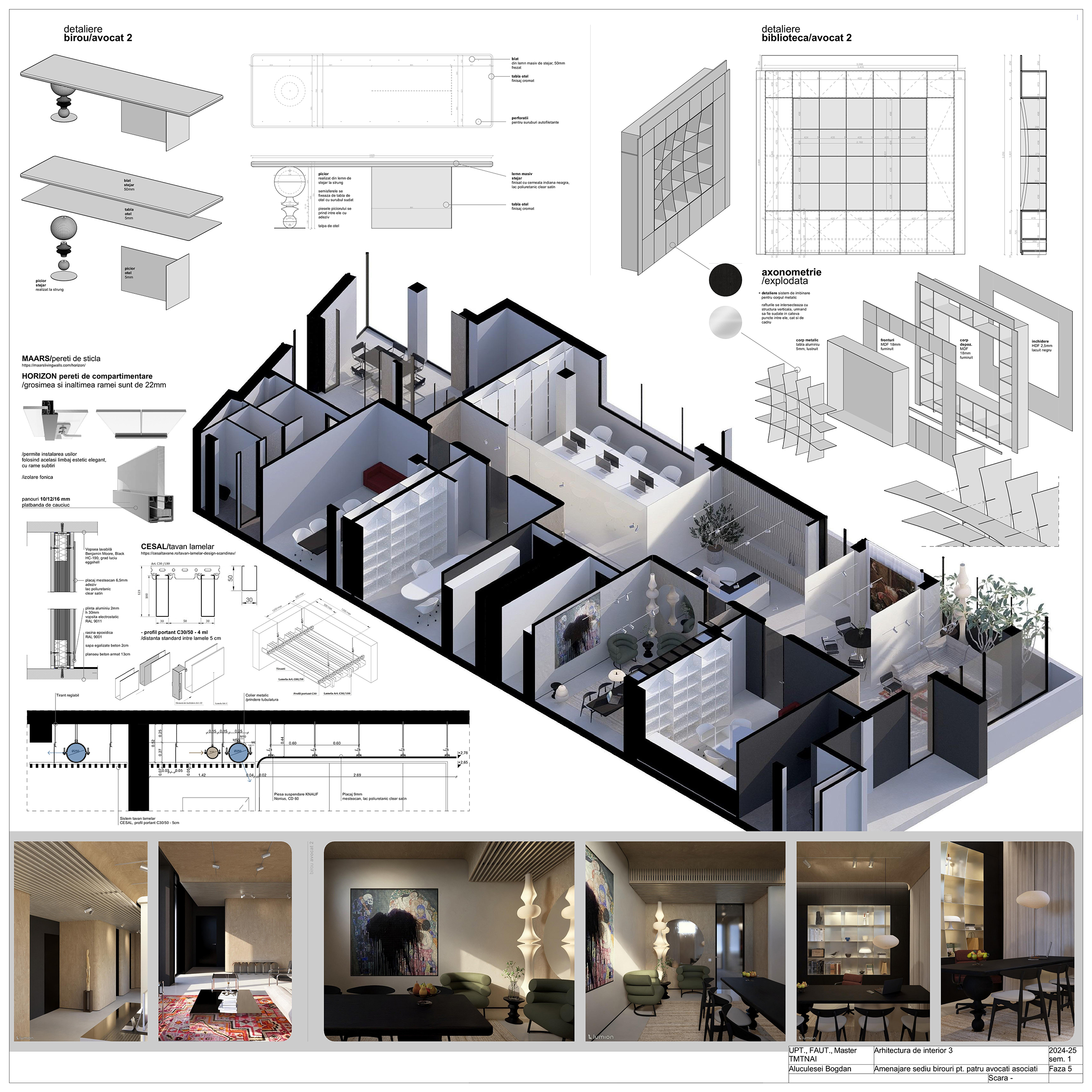
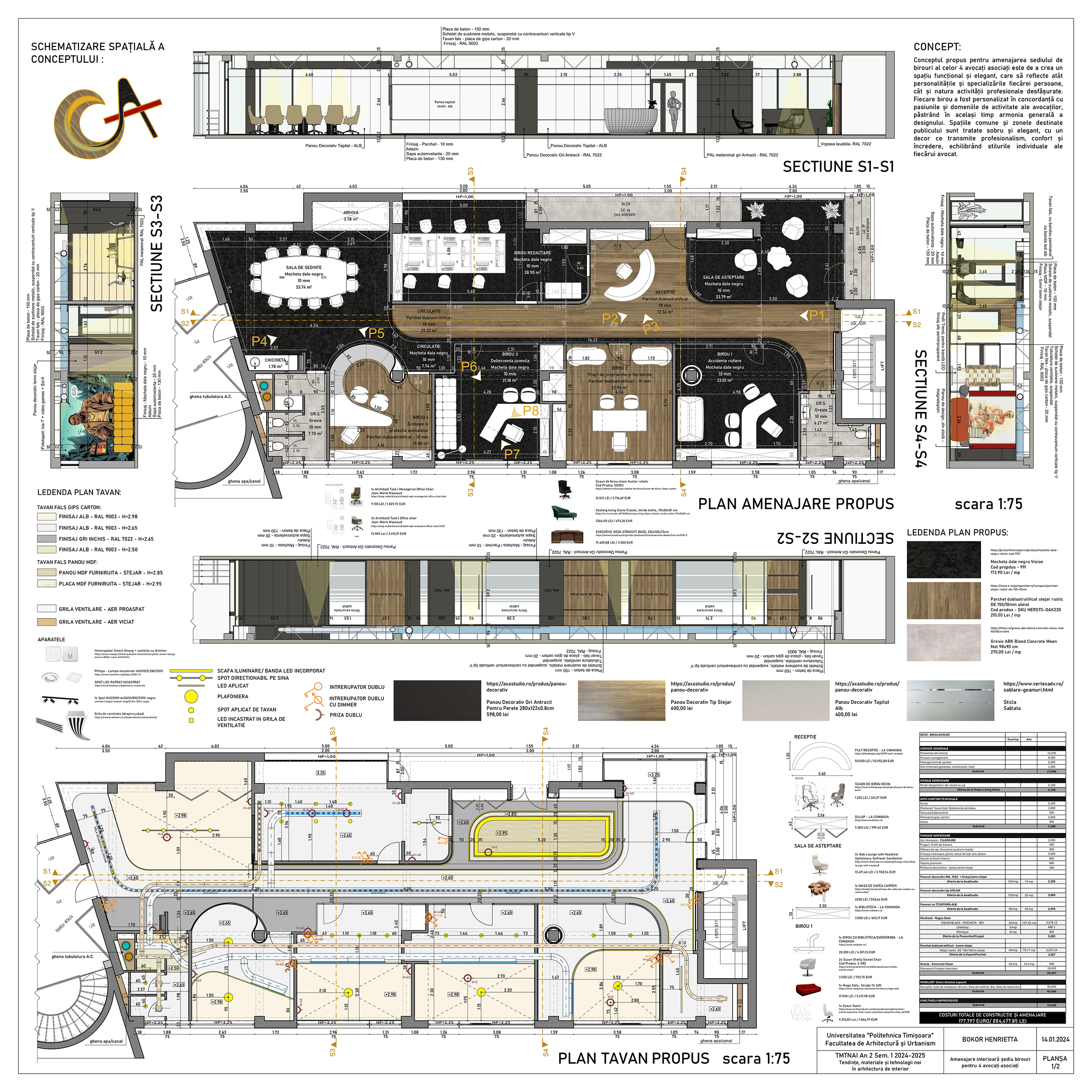

EN
The four associate lawyers – the beneficiaries of the project – have strong and at the same time different personalities:
- – specialized in property law and taxation issues. Male, 50 years old. Passionate about multiculturalism, the history of the Austro-Hungarian Empire. Favorite character: Franz Josef.
- – specialized in ecology and animal protection issues. Female, 40 years old. Passionate about nature and biophilic design. Favorite character: St. Francis of Assisi
- – specialized in juvenile delinquency issues. Male, 35 years old. Passionate about sci-fi comic books and computer games. Favorite character: IceT.
- – specialized in road accident issues. Male, 45 years old. Passionate about engines and analog technology. Favorite character: Niki Lauda
Their offices will be personalized according to the personality and specialization of each of them, but the common spaces and those intended for the public will have a sober, elegant and official character, while also summing up in a balanced way common elements to the liking of all four associates.
2024 | ARHITECTURĂ DE INTERIOR 1 | T01
RO
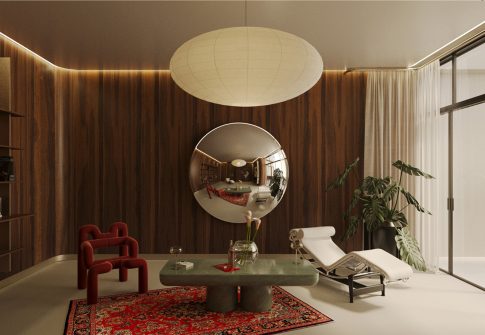
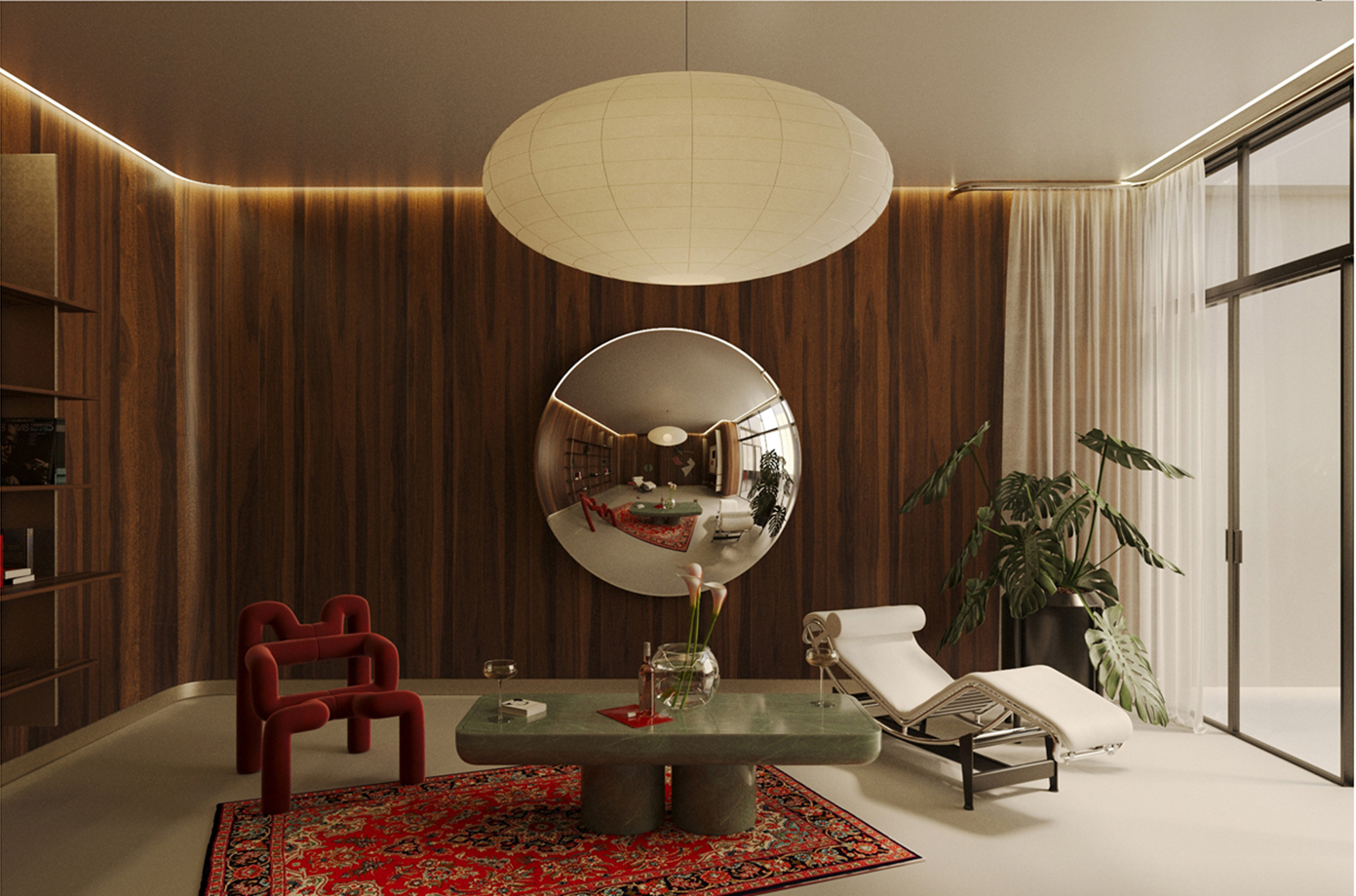
Proiectul vizează amenajarea și mobilarea zonelor de zi din cadrul unei locuințe contemporane cu caracter permanent, prin reconversia unor spații ce au avut anterior altă funcțiune. Suportul de lucru poate fi selectat de studenți din trei variante structurale distincte (beton, lemn sau metal), fiecare dintre acestea integrând posibilitatea de realizare a unei supante. Locuința este destinată unui cuplu, iar condiționările de temă conduc către o configurare mai degrabă maximală a locuinței, atât ca spațiu dar și ca buget. Modul de operare ales pentru un interior domestic combină o dezvoltare abstractă derivată din concept cu o dezvoltare apropiată de realitate prin interpretarea cerințelor și referințelor impuse de profilul locuitorilor, pe care tot studenții îl conturează. Demersul integrează și îndrumarea unui inginer de rezistență, astfel încât operarea asupra unui spațiu existent să fie experimentat și din perspectivă tehnică.
EN
The project aims to arrange and furnish the living areas of a contemporary permanent home, by converting spaces that previously had another function. The work support can be selected by students from three distinct structural variants (concrete, wood or metal), each of which integrates the possibility of creating a split level. The home is intended for a couple, and the theme leads to a rather maximal configuration of the home, both in terms of space and budget. The operating mode chosen for a domestic interior combines an abstract theme derived from the concept with a development close to reality by interpreting requirements and references imposed by the profile of the inhabitants, which the students also outline. The approach also integrates the guidance of a structural engineer, so that the operation on an existing space is also experienced from a technical perspective.