
Diploma Thesis Development
The completion of the three-year program requires the development of a comprehensive interior design project, covering all stages of the design process. Both the site and the function are chosen by the student, provided that the relevance and opportunity of the proposed intervention are clearly justified.
The main objective is to define a strong spatial identity, shaped both by the qualities of the selected context and by the specific characteristics of the proposed function. Throughout the phased development of the project, theoretical and technical approaches are pursued in order to formulate spatial and formal solutions that enhance the chosen space.
This process represents a valuable exercise in preparation for professional practice, addressing adaptive reuse, the creation of an aesthetic aligned with the proposed concept, the coordination of constructive elements (finishes, furnishings, installations), the resolution of execution details for custom-designed furniture, cost anticipation, and overall budget management.
Project Development Phases
Phase I involves understanding existing conditions and defining the requirements of the proposed theme. This includes studying comparable examples of similar scale and function, as well as analyzing the site’s specific characteristics, qualities, dysfunctions, and atmosphere.
Phase II focuses on developing a general intervention concept, generating two preliminary design proposals, and further detailing one selected option.
Phase III consists of producing the technical project documentation, detailing the solution developed in the previous phase at a technical design level.
Phase IV represents the execution detailing stage. The final phase includes preparing detailed drawings for at least three key design elements (such as custom furniture pieces or constructive details), finalizing finishes and materials, and documenting them within the written report, cost estimate, and material palette.
For the full texts please click on the pages of the brochure below.
Diploma Projects
Student: Bârle Maria-Francesca-Simina
Coordinating Professor: S.l. Dr. Arch. Maja Bâldea
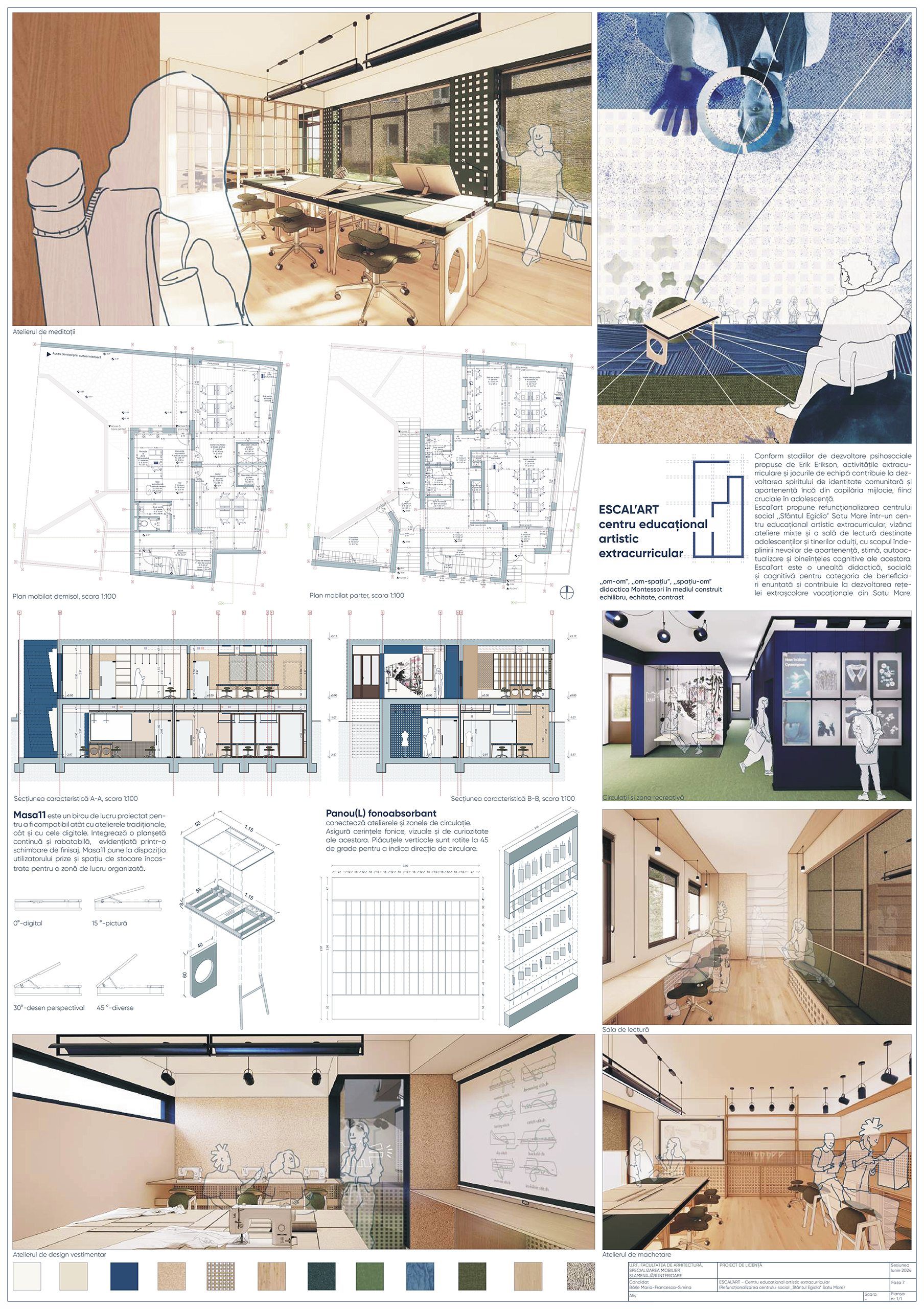
According to the stages of psychosocial development proposed by Erik Erikson (Childhood and Society, W. W. Norton & Co., Chicago, 1950), extracurricular activities and team-based games contribute to the development of community identity and a sense of belonging as early as middle childhood and become particularly crucial during adolescence. The recent volunteer activity carried out at the social centre “Saint Egidio” in Satu Mare, together with the theoretical framework mentioned above, generated the core hypothesis of the Escal’art project:
What is the role and position of vocational extracurricular activities in adolescents’ daily schedules in terms of their social and cognitive development?
How would adolescents and young people in Satu Mare benefit from expanding the local extracurricular network with a centre that offers guided training in contemporary vocational skills, which are often pursued individually due to limited or difficult access to assisted instruction?
In what ways could Montessori pedagogy innovate the vocational education process for adolescents, and what attributes position it advantageously compared to other methodologies?
Escal’art therefore proposes the adaptive reuse of the “Saint Egidio” Social Centre in Satu Mare into an extracurricular arts education centre. The project introduces mixed workshops, including tutoring in architecture and interior design, graphic design, fashion design, model making, as well as a study room for teenagers and young adults. The aim is to address their needs for belonging, esteem, and self-actualization.
From the perspective of the human–environment–space relationship, the impact of the Escal’art centre lies in its objective to function as a didactic, social, and cognitive instrument for its target users, while also contributing to the development of the local vocational extracurricular network in Satu Mare by increasing its visibility and relevance.
The theoretical foundation directly informs the design aesthetics, reflecting a continuous interplay between intrinsic and extrinsic perception and interaction. The project materializes Montessori principles and the triple relationship “person–person,” “person–space,” and “space–person.” The design seeks to generate sensorially balanced environments in accordance with the functional and ergonomic requirements of each activity. Personalization and stylistic coherence balance the standards outlined above and foster a sense of belonging within a group that shares similar values, reinforcing the anthropocentric character of the project.
To establish an authentic connection with the intended users and beneficiaries, they were directly involved in the conceptualization of the interior design through a feedback questionnaire. This process provided essential insights into their relationship with the extracurricular activities in which they participate, their preferred didactic approaches, and the importance of the environment in cognitive processes and overall well-being.
In conclusion, Escal’art represents a case study that emphasizes both the influence of space on the conduct of educational activities and the human capacity to shape the surrounding atmosphere. At the same time, it supports the development of the local extracurricular education system in Satu Mare through a Montessori-based methodology adapted to adolescents’ needs, fostering socio-cultural advancement within the community and strengthening the bonds of trust between learners and educators.
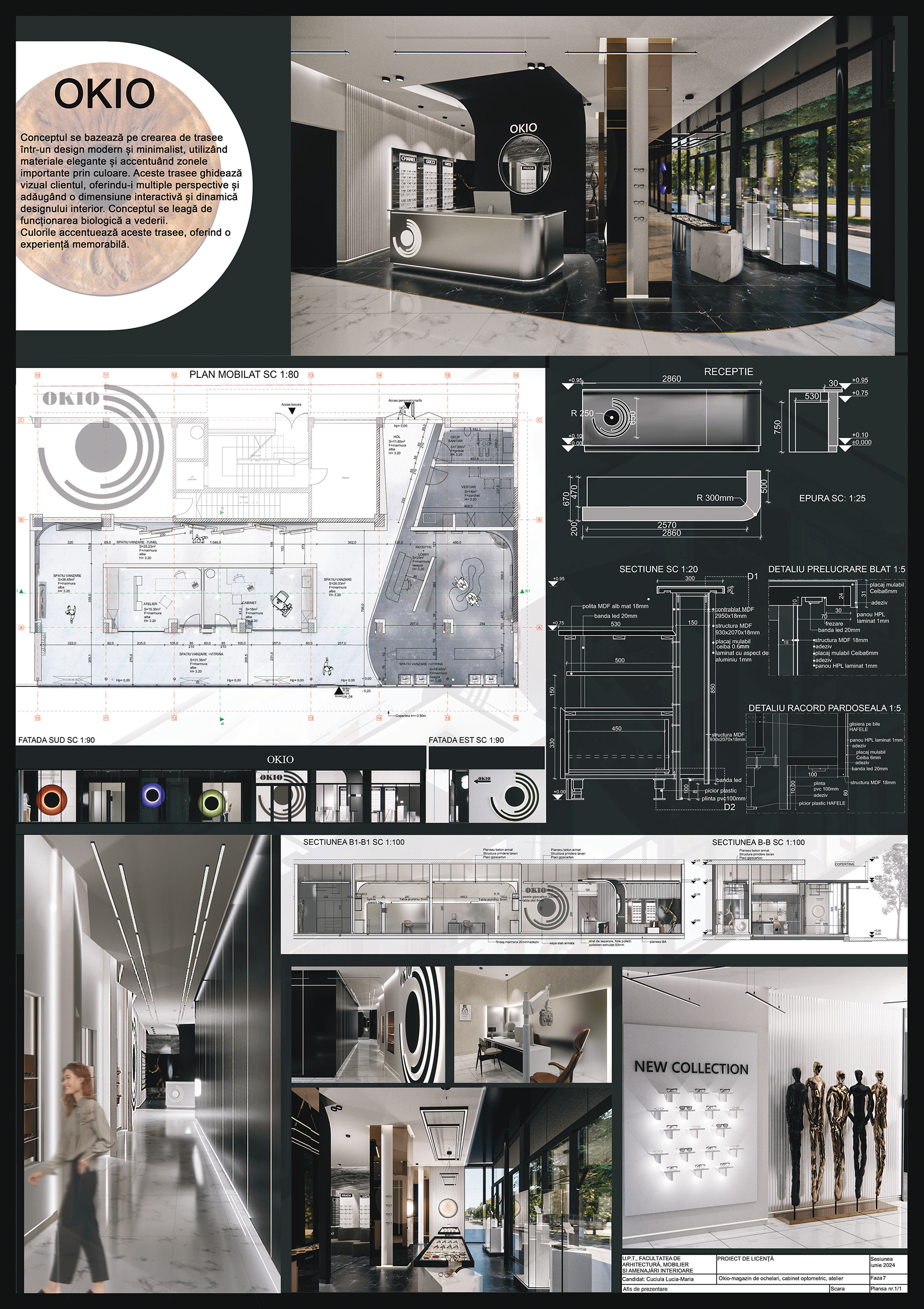
Student: Cuciula Lucia-Maria
Coordinating Professor: S.l. Dr. Arch. Otilia Tudoran
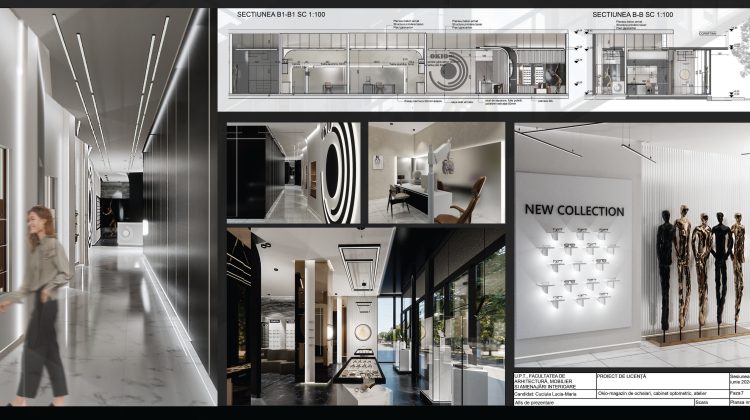
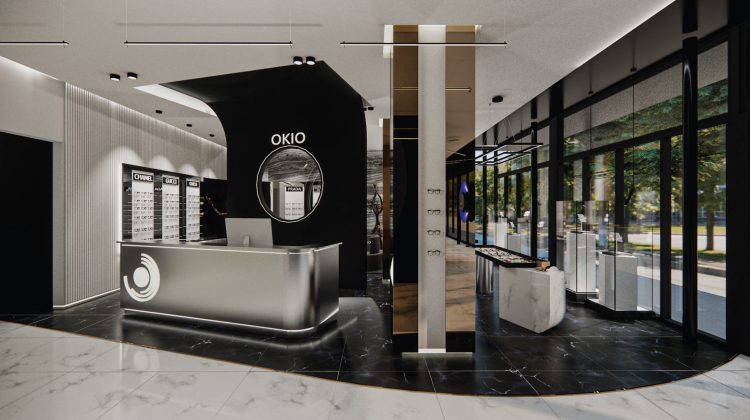
This project originated from the idea of creating a contemporary optometric practice to complement the central area of Timișoara. Over time, the concept evolved into OKIO—a multifunctional space that extends beyond the conventional notion of a clinic.
In addition to providing specialized optometric services, OKIO operates as a retail space offering a curated selection of renowned eyewear brands, including both prescription frames and sunglasses. The centre also incorporates an on-site workshop staffed by qualified professionals who assist clients in selecting frames suited to their facial features.
Beyond standard services, OKIO integrates customization options such as engraving and 3D printing of frames. Furthermore, the space offers a unique experiential component: the photographic capture of clients’ irises, transformed into personalized artistic prints, creating memorable and individualized keepsakes.
Given the range of services and the central urban location, the spatial concept was envisioned as modern and refined. This intention is reflected in the material palette—marble, metal, colored mirror surfaces—and in the inclusion of sculptural design objects that evoke the atmosphere of a gallery or museum rather than a conventional retail environment.
The interior is conceived as a visual composition that engages the human eye. Circulation is organized along a clearly defined route structured around a central focal element. The fluidity of movement is emphasized through rounded corners and continuous spatial transitions, guiding visitors intuitively throughout the space.
Situated in the heart of Timișoara and defined by a fully glazed façade, the storefront was designed to capture the attention of passersby. The display features oversized eye installations aligned along the window, generating curiosity while offering only partial visual access to the interior. The eyewear display area remains visible from the street, while the remainder of the space is deliberately concealed, enhancing intrigue and reinforcing the conceptual narrative.
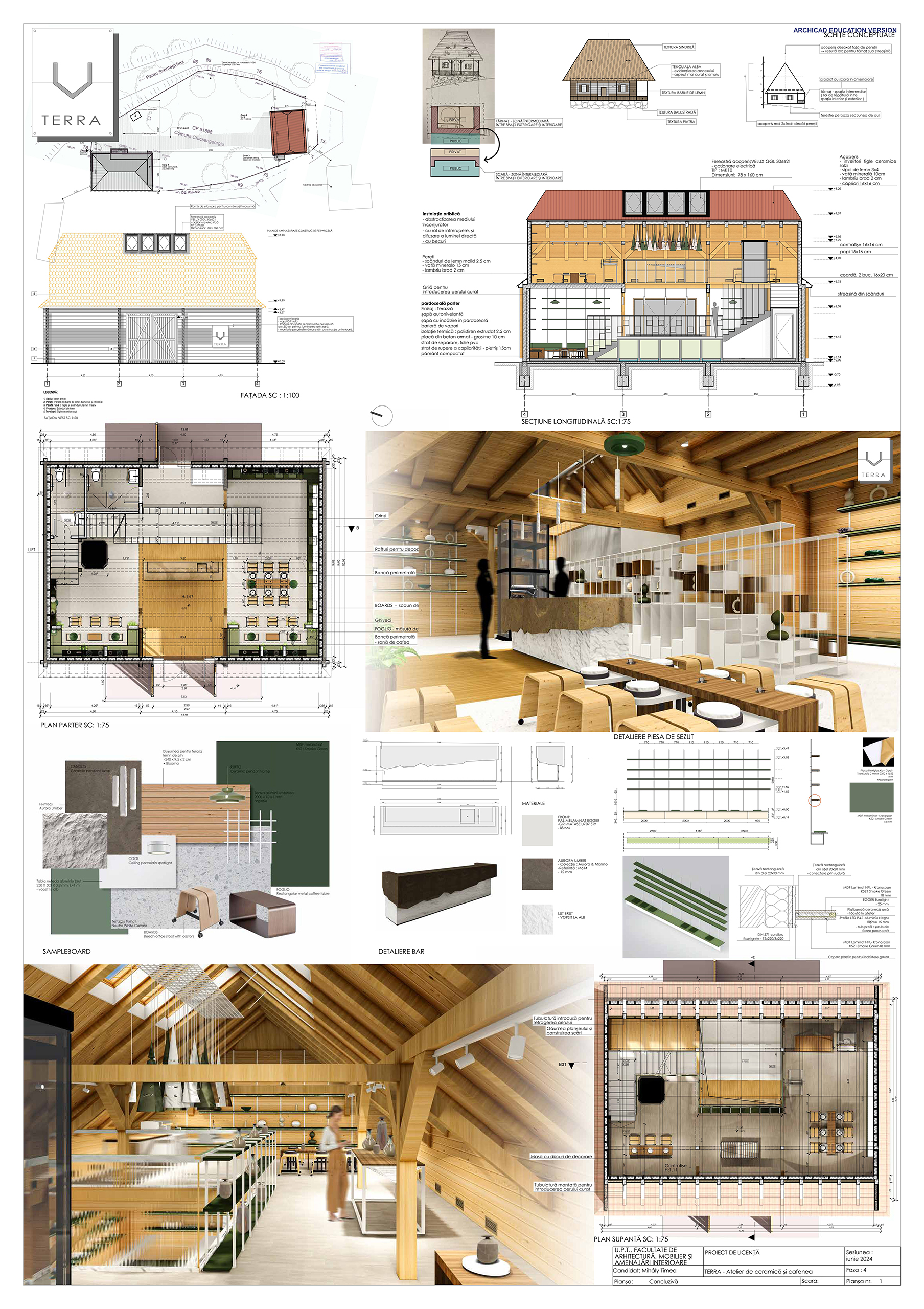
Students: Tímea Mihály
Coordinating Professor: Specialist in Furniture and Interior Design Carmen Elena Săndescu
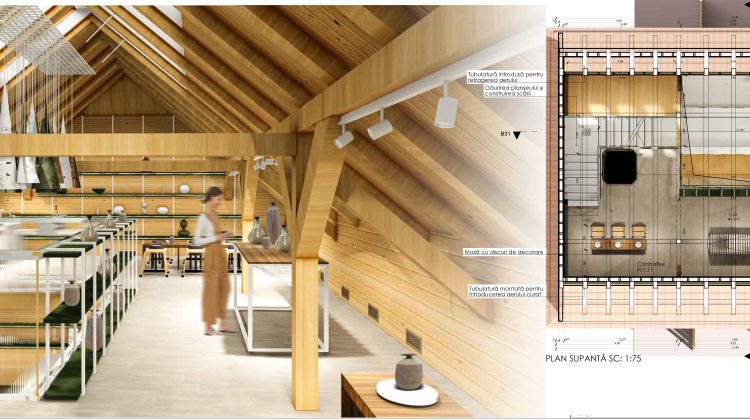
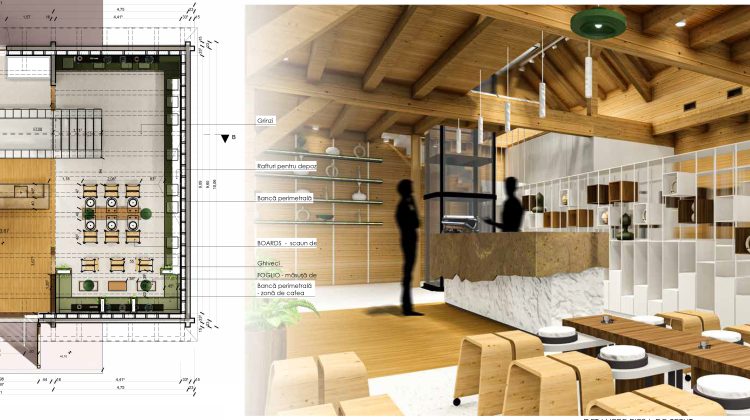
Integration within the built environment remains an ongoing subject of debate in architectural discourse and represents a fundamental aspect of the design process. While it is essential to preserve the character and atmosphere of a place, it is neither possible nor appropriate to replicate historical elements directly. Instead, meaningful integration can be achieved through the study of proportions, the abstraction of local symbols, textures and ornaments, the simplification of forms, and the use of related or locally sourced materials. Given the specific configuration of the surrounding context, this project seeks to reinterpret these principles in a contemporary and abstracted manner.
The building was conceived as a communal hub intended to host the social activities of the village. Its generous and flexible interior spaces are designed to accommodate a variety of functions, supported by adaptable furniture systems. The village regularly organizes creative activities for both younger and older generations, and the building provides an appropriate spatial framework for such events. However, as these activities are not permanent, the building was designed to ensure functional and economic sustainability. For this reason, it incorporates a ceramics workshop and a café area, both intended to operate on a continuous basis.
Conceptually, the interior design draws upon the proportions and rhythms characteristic of local architecture. The composition features simple geometric volumes and emphasizes the use of locally specific textured materials. The architectural language reflects adaptation to geographical conditions—high-pitched roofs, extended eaves, and a porch mediating between interior and exterior spaces. In this context, human habitation maintains a constant relationship with the natural surroundings: walls do not isolate inhabitants from their environment but rather offer protection while preserving connection. The proposed design seeks to reinterpret and embody this architectural ethos in a contemporary expression.
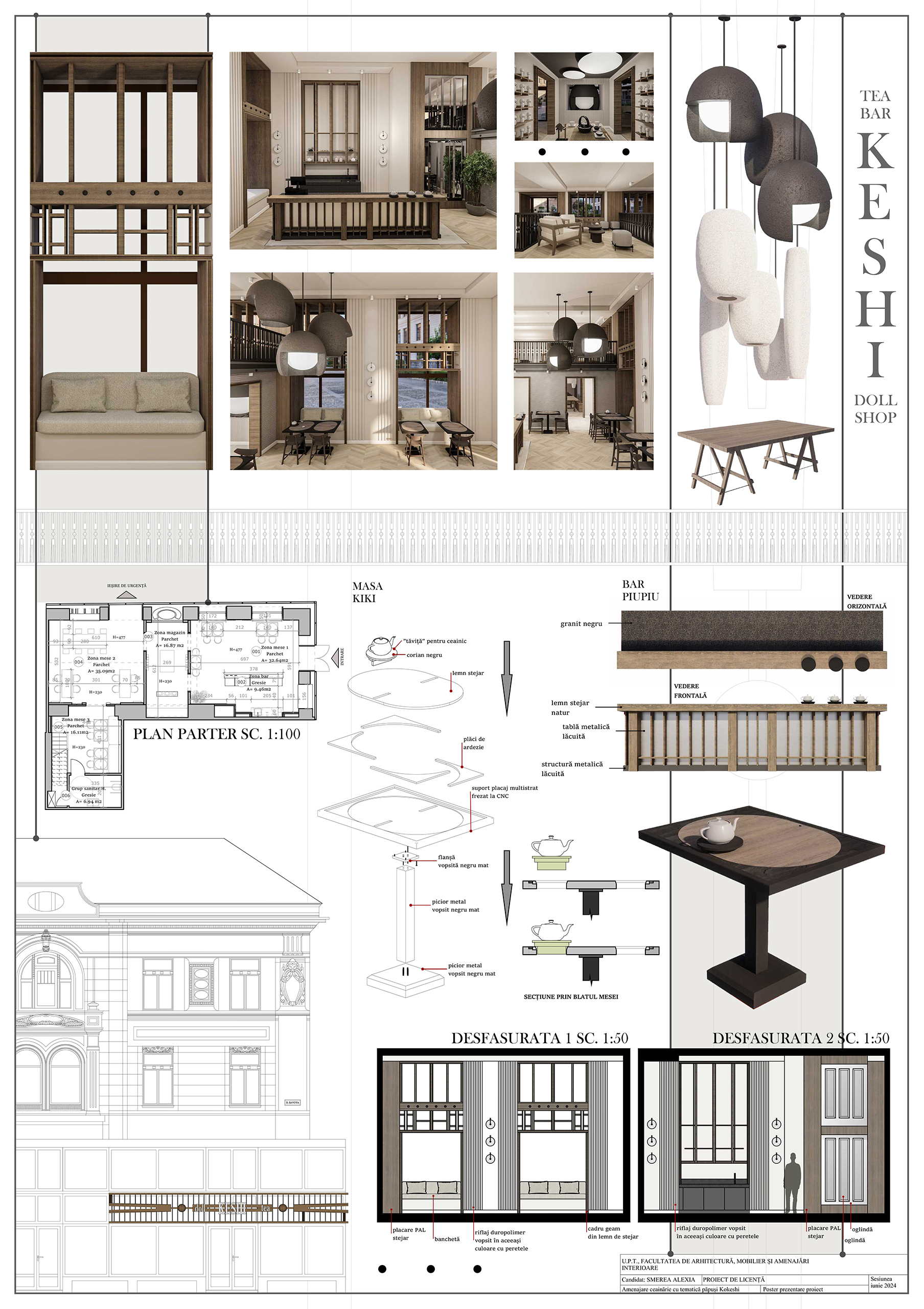
Student: Smerea Alexia
Coordinating Professor: Conf. Dr. Arch. Camil Milincu
The theme of the Bachelor’s degree project consists of the adaptive reuse of an existing ground-floor café space, transforming it into a teahouse combined with a kokeshi doll shop.
The central concept of the interior design is union, referring to the creation of new connections rooted in childhood memories, with play serving as the primary thematic framework of the space. The proposed design merges Japanese elements with the Classicist Secession features present on the building’s façade. Japanese influences are introduced through the use of characteristic materials and colors—such as wood, cast iron, and ceramics—as well as through the adoption of clean, linear geometries. The Classicist Secession style is reinterpreted in the interior by incorporating geometric details inspired by the façade, including fluted column motifs, hemispherical forms, and oval shapes.
The kokeshi doll serves as the defining design motif of the teahouse. It is analyzed from a geometric perspective and abstracted into various spatial and decorative elements throughout the interior. Its role extends beyond aesthetic and commercial purposes, contributing to the expression of the overarching concept of union. Within this framework, the traditional tea ceremony is reimagined as a playful tea gathering—an experience that can be shared by visitors and, symbolically, by kokeshi dolls, evoking the imaginative rituals of childhood.
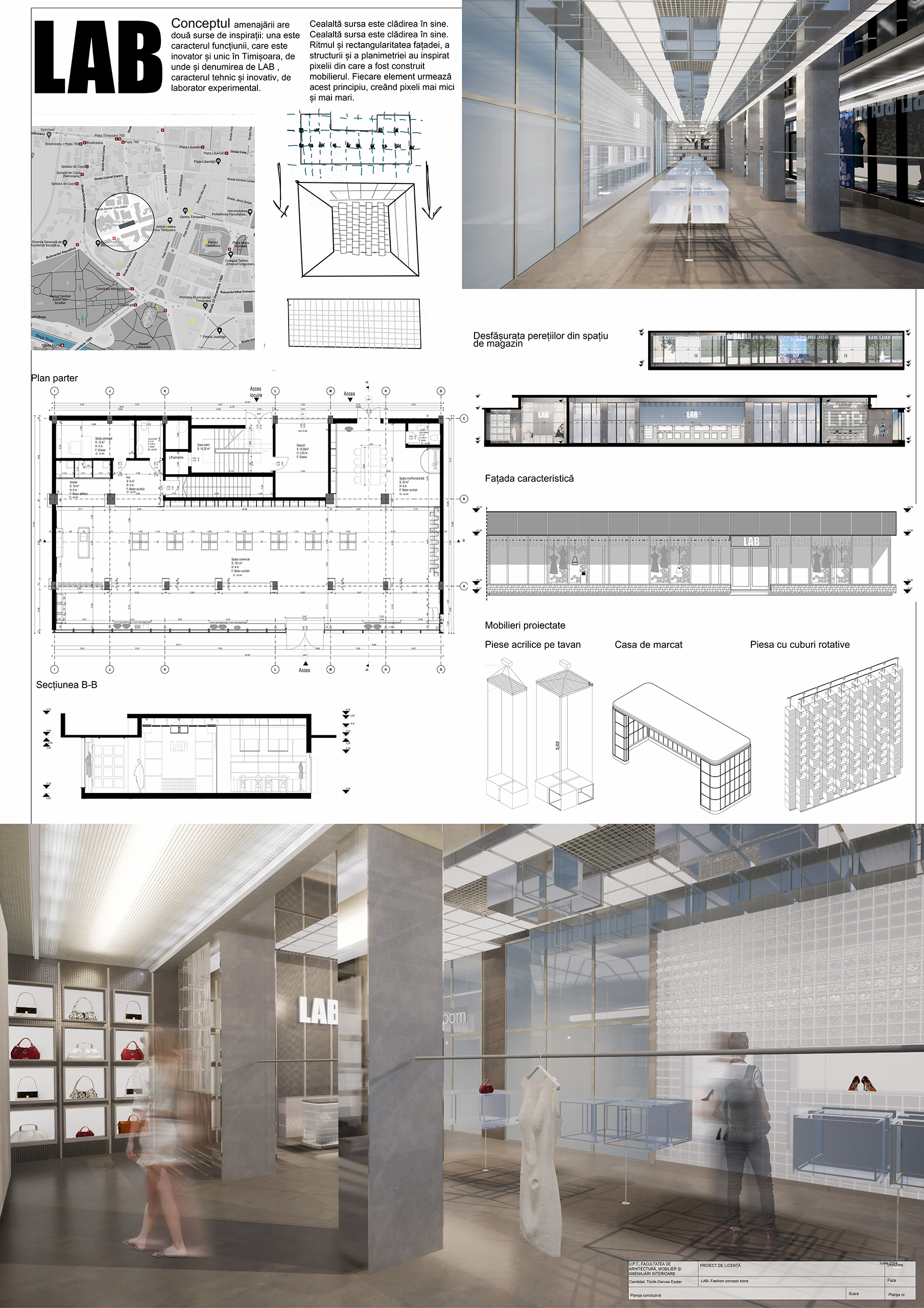
Student: Török-Darvas Eszter
Coordinating Professor: Conf. Dr. Arch. Diana Giurea
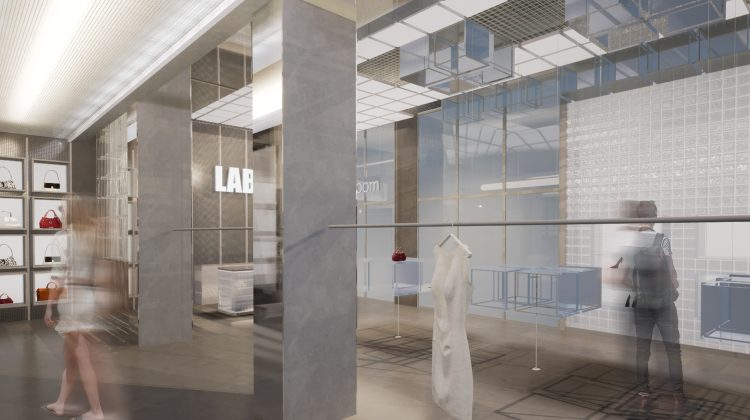
As part of the project, I designed a retail space dedicated to clothing and accessories. However, it is conceived not as a conventional store, but as a concept store, offering an expanded program that goes beyond retail. The space is adaptable and can function as a venue for fashion shows, product launches, and specialized workshops. It operates as a collaborative platform, bringing together multiple designers and providing an environment for emerging creatives seeking a physical location to showcase and sell their work.
The theme was approached as a laboratory. Fashion design is a dynamic and continuously evolving field, shaped by ongoing research, experimentation, and innovation. The space was therefore designed to accommodate designers working across various disciplines, including apparel, footwear, bags, and jewelry. The furniture is predominantly custom-designed, characterized by simple forms, and integrated with mechanical and electrical systems that enhance flexibility and functionality.
An important source of inspiration was the architecture of the existing building. LAB is situated in the center of Timișoara, within a structure defined by rectangular volumes, strong rhythm, and symmetry. These characteristics shape the façade, spatial layout, and overall identity of the building, and were consciously reflected in the interior design. The concept was developed “pixel by pixel,” with the entire composition structured through cubic modules. Spatial organization follows a symmetrical logic, with square-based divisions reinforcing clarity and order.
At the same time, adaptability was a key principle: most elements are modular, reconfigurable, and easily adjustable to support different types of events and exhibitions. The chromatic palette is restrained, consisting primarily of shades of white, gray, and blue-green. Material contrasts play a significant role in defining the atmosphere—glossy, reflective, and transparent surfaces such as glass bricks, matte plexiglass, mirrors, and metallic elements interact with the raw texture of exposed concrete.
Overall, the project is defined by a clean, contemporary aesthetic, combining advanced technology with the refined atmosphere of a high-end fashion concept store.
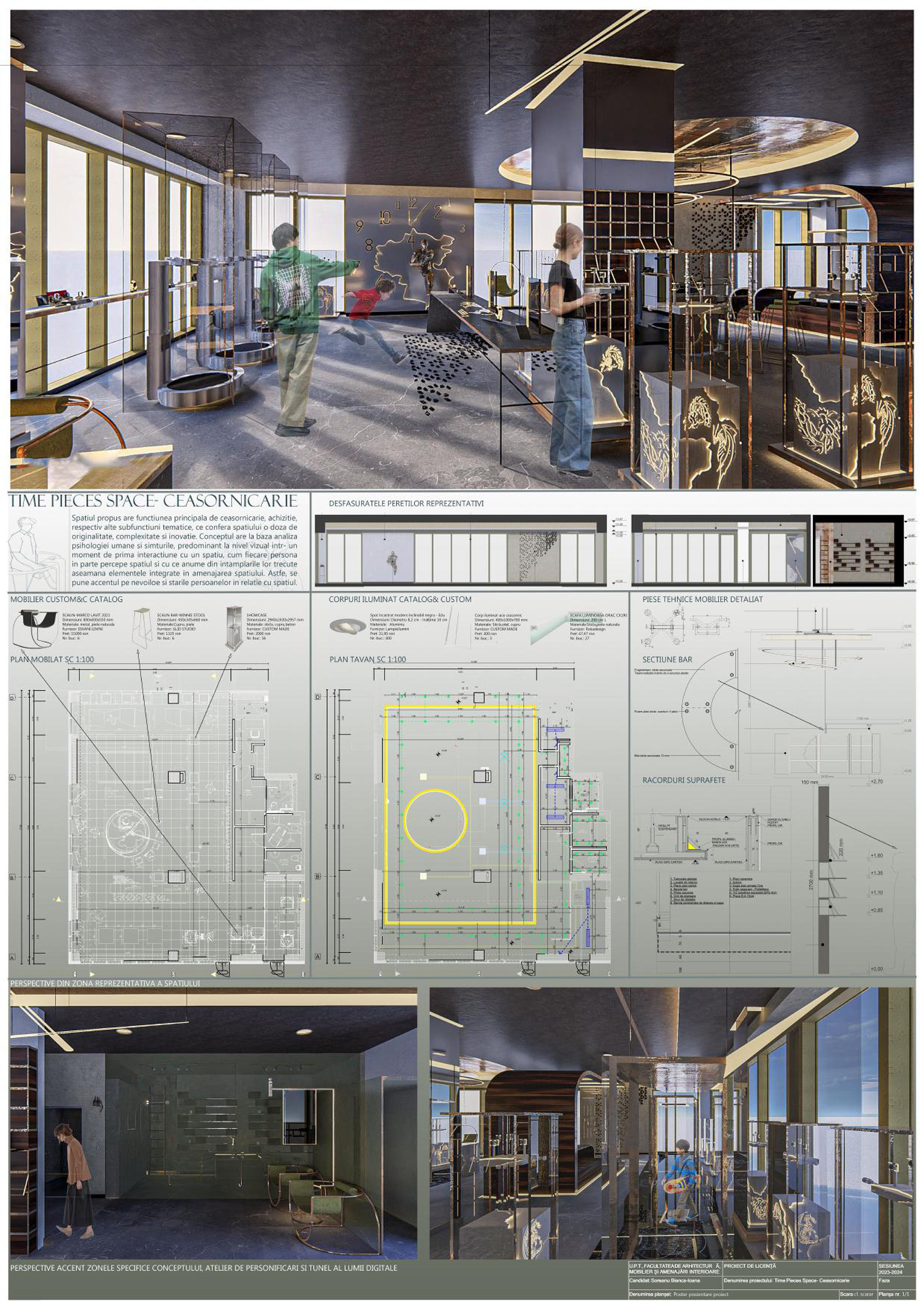
Student: Soreanu Bianca-Ioana
Coordinating Professor: Asist. Dr. Arch. Ionuț Ciprian Mătieș
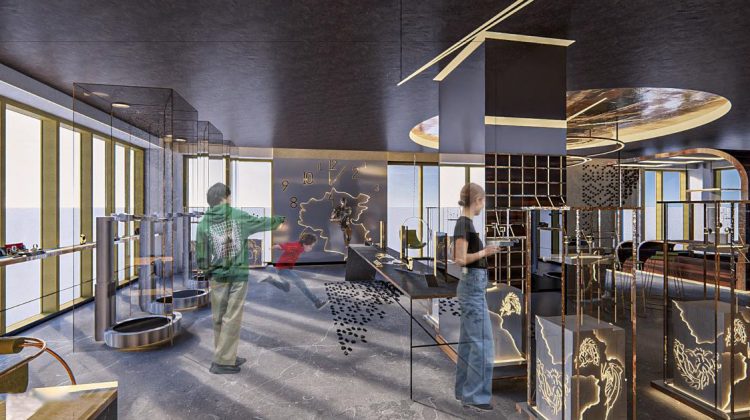
In this project, I designed a multifunctional watchmaker’s workshop—a space dedicated not only to horology enthusiasts but also to fostering interaction, whether between individuals or between the individual and the built environment. The concept envisions a setting that accommodates diverse personalities and experiences, structured around distinct zones that reference past, present, and future. Vintage watch models evoke a sense of history, while contemporary elements frame the present, and a forward-looking perspective—where “the sky is the limit”—symbolizes the possibility for each visitor to construct their own universe.
The spatial organization is articulated through custom-designed furniture and thematic elements that reinforce the narrative. The atmosphere varies according to the user’s perception, oscillating between warm and cool, intimate and dynamic, yet always interactive. Particular emphasis was placed on a contemporary, digitized area incorporating cyberpunk-inspired effects, intended to intensify the human–space relationship and to reflect the diversity of activities hosted within the workshop. This approach reinterprets the traditional watchmaking function within a modern framework capable of attracting multiple generations.
The project was developed progressively, from conceptual sketches to a highly detailed representation approximating real construction. Materials, textures, colors, and finishes were carefully selected to support the overarching theme and concept. Drawing upon case studies of similar functions as well as original design explorations and modeled elements, the result is an interactive, contemporary, and distinctive environment.
At its core, the project is grounded in the exploration of the human–space relationship, the psychological effects of the built environment, and references to principles of sacred architecture found across cultures, integrating these dimensions into a cohesive and experiential interior design proposal.
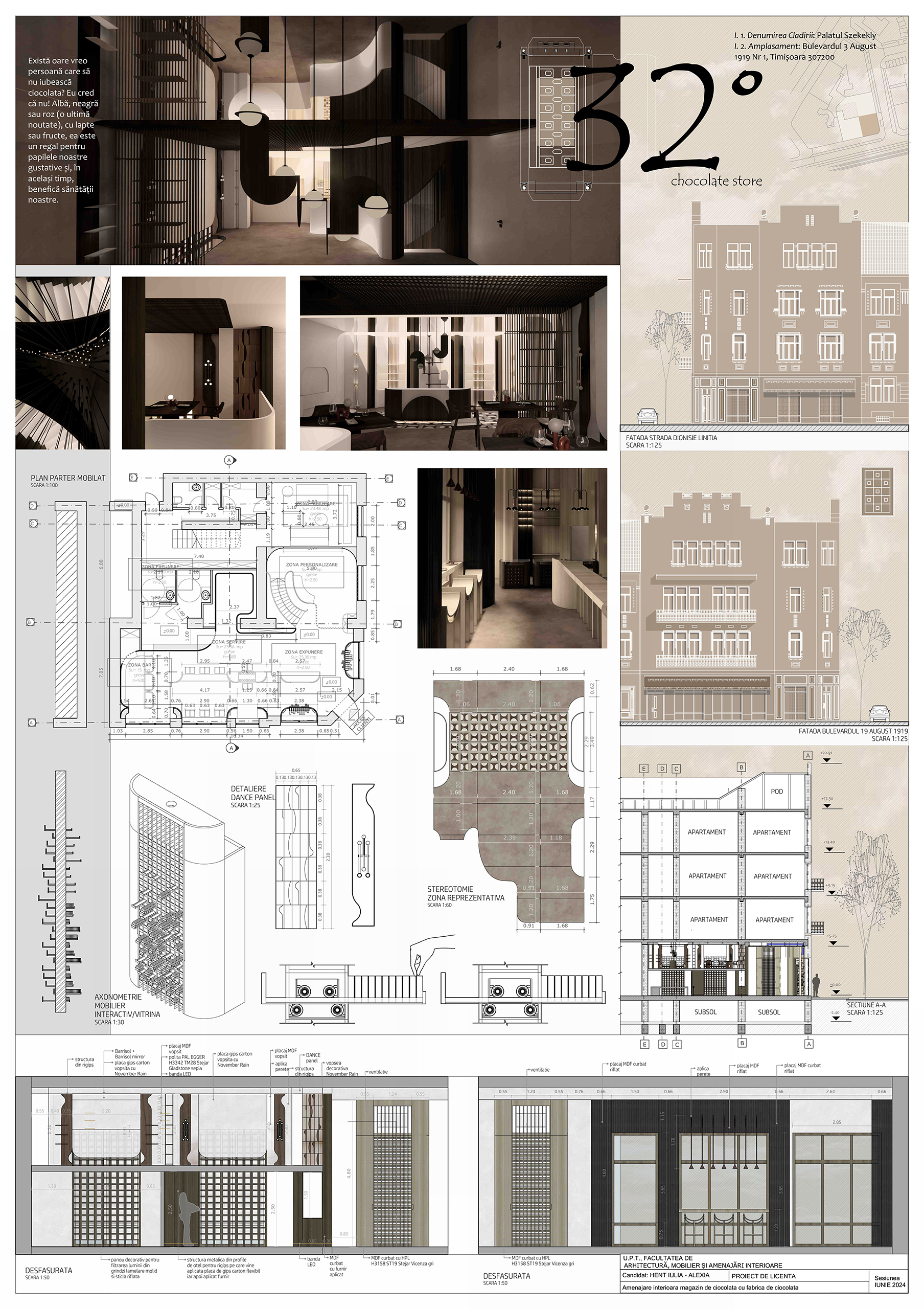
Student: Henț Iulia-Alexia
Coordinating Professor: Conf. Dr. Arch. Andreea Anghel
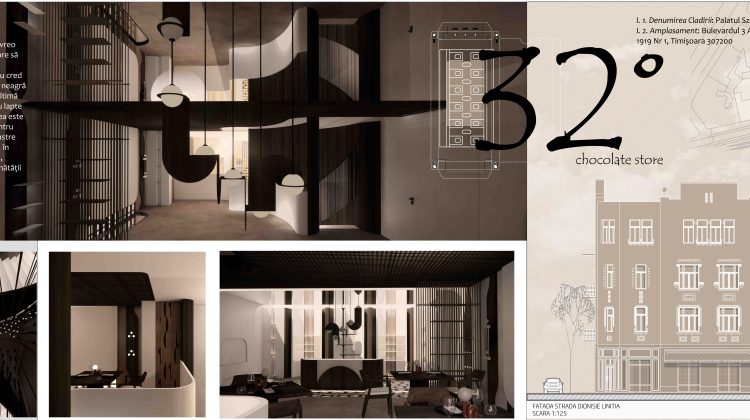
Located in the historic Fabric district of Timișoara, within the Szekely Palace, the selected site currently functions as a facility for the preparation of confectionery and pastry products. The proposed intervention redefines the space as a showroom-warehouse dedicated to the presentation of chocolate products, incorporating a small-scale chocolate factory. The Szekely Palace is distinguished by its architectural language, characterized by a restrained plastic expression devoid of excessive ornamentation, anticipating the modernist direction that would later shape international architecture.
The conceptual inspiration for the project stems from Timișoara’s historical connection to the Kandia chocolate factory—a brand that delighted generations of chocolate enthusiasts and left a lasting mark on the city’s identity for over a century, beginning in 1890. Drawing from this legacy, the proposal envisions the creation of a small confectionery workshop in Timișoara, symbolically reopening a space for passion and creativity in the field. The long-term vision imagines locally produced chocolates and chocolate bars gaining recognition beyond Romania, potentially throughout Europe.
The interior design concept is grounded in the transformation of chocolate from its liquid to its solid state. This metamorphosis is translated spatially through the use of organic, flowing geometries rendered in solid, substantial materials—forms that appear fluid yet embody mass and permanence, metaphorically suggesting the solidification process of chocolate.
The spatial narrative unfolds as a journey that simulates the organic stages of chocolate production. The design capitalizes on this manufacturing process by gradually transitioning materials and textures—from rough to refined surfaces—mirroring the cocoa bean’s transformation from harvesting to grinding and final refinement. Architectural curves guide movement through the space, evoking the tempering and molding stages of chocolate making. In this sense, the interior itself becomes a form of packaging that must be metaphorically “unwrapped” to be fully understood.
Existing architectural elements are carefully integrated into the proposal. Decorative motifs from the façade are reinterpreted as sources of inspiration and constructive elements, including forms suggestive of chocolate shapes. Materials present on both the façade and in the interior—such as green ceramics—are incorporated into the new design. The historical context of the site is also acknowledged: the previous use of the land as a timber warehouse informs the reintroduction of wood as a key material.
Color plays a significant role in shaping the atmosphere of the space. Warm tones dominate the interior, fostering a welcoming and comfortable ambiance often associated with nature and organic textures. Subtle shades of brown and green—derived from the natural hues of cocoa beans—form the core chromatic palette, reinforcing the conceptual and sensory narrative of the project.
Furniture and Interior Design – YEAR III
| Generation 2024 | Diploma Thesis Development | 2024-2025 |